





.svg)
The integrity of British electoral protocols has returned to the spotlight following the revelation that the Home Secretary’s own 2004 postal ballot was once subject to judicial examination during one of the UK’s most notorious voting scandals.
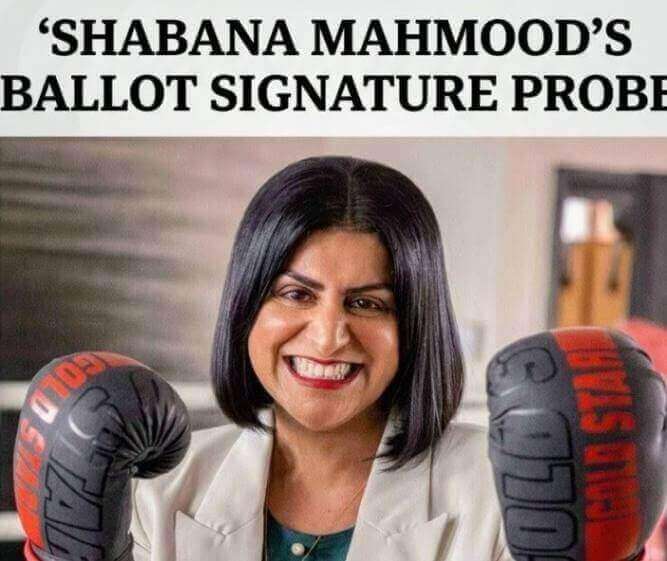
Freshly surfaced documentation, initially highlighted by The Dispatch and corroborated by reports in the Daily Mail, confirms that Shabana Mahmood’s ballot application and identity declaration were scrutinised during the 2004 Birmingham local election probe. The release of these documents for the first time has drawn attention to a visible variation in the signatures provided on the two forms, which were completed several weeks apart.
London’s Border Wars: Who Governs Whom?
While the historic case famously led High Court Judge Richard Mawrey KC to describe the scale of fraud in Birmingham as something that would "disgrace a banana republic," there is no evidence or suggestion that Ms Mahmood was a party to the corruption. A spokesperson for the Home Secretary, speaking to a journalist, addressed the signature variations directly, attributing them to a 22-year-old student experimenting with her handwriting style. The spokesperson emphasised that both documents were unequivocally signed by her and that the temporal gap between the applications accounted for the stylistic shift.
The shadow of the 2004 inquiry also briefly touched the Home Secretary’s father, Mahmood Ahmed, who served as a Labour election agent at the time. Despite initial suspicions regarding the handling of family ballots, the allegations were decisively rejected by the court. Journalists were told that after rigorous testimony from court-appointed handwriting experts and various witnesses, all claims against Mr Ahmed were dismissed without any adverse findings over two decades ago.
As the political landscape shifts toward the next cycle of local government elections, this retrospective look at electoral security serves as a profound reminder of the evolution of UK voting laws. Following the 2004 scandal, which saw five councillors ousted for faking thousands of votes, the then-government overhauled the system to require mandatory signatures and dates of birth for all postal applicants—measures intended to fortify the democratic process against the very vulnerabilities exposed in Birmingham.
Reporting for **Daily Dazzling Dawn**, we understand that the next phase of public discourse will likely focus on the robustness of current voter ID and verification technologies. Legal experts suggest that as electoral fraud prevention becomes increasingly digital, the "signature" as a primary security measure may soon be supplemented by more modern biometric or multi-factor authentication to prevent the kind of ambiguities seen in historic archives.
The Home Secretary remains focused on her current brief, with her team maintaining that the dismissal of these decades-old allegations confirms the matter is entirely resolved. For the public, the release of these documents provides a rare insight into the meticulous nature of electoral investigations and the high standards of verification required to maintain the sanctity of the ballot box.