


.svg)
Fifty years after James Callaghan became prime minister during a turbulent period, comparisons are being drawn with the Labour Party’s current leadership challenges. In the 1970s, several prominent figures competed for the top role amid a deepening national crisis, yet none managed to provide a lasting solution. Many observers believe the turning point came from the opposition benches with the rise of Margaret Thatcher.
At the time, senior politicians such as Roy Jenkins, Denis Healey, Michael Foot, and Tony Benn were widely regarded as influential figures who commanded respect across political divides. Today, however, critics argue that the current Labour frontbench lacks similar authority and depth.
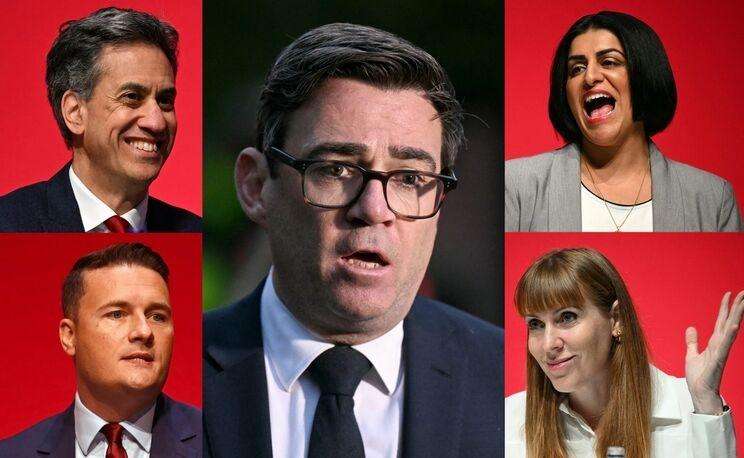
With expectations of heavy losses in upcoming local elections, attention has shifted to potential future leaders. Wes Streeting is often seen as a leading figure from the party’s centrist wing, though questions remain about his ability to secure strong backing from unions and grassroots members. While he is considered media-savvy, critics say he has yet to present substantial policy ideas.
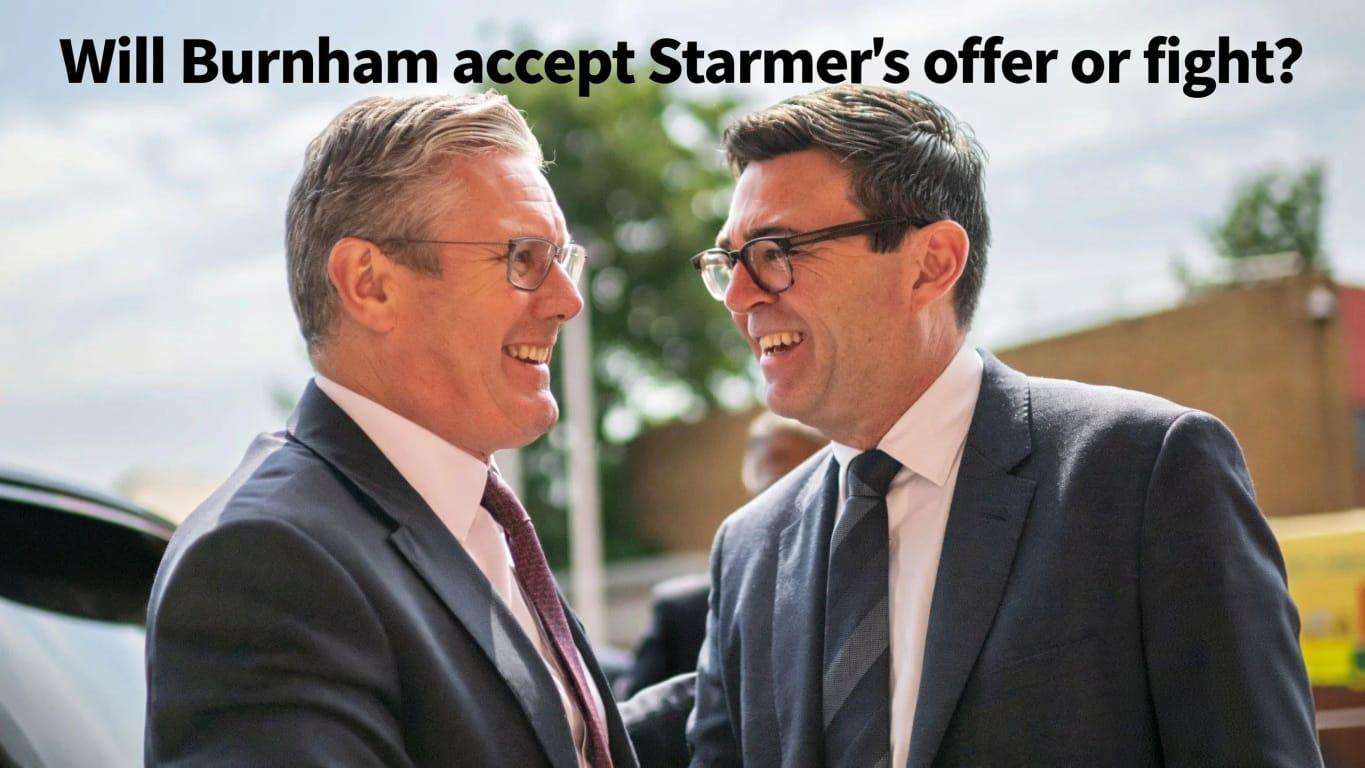
Ed Miliband also faces skepticism due to his previous general election defeat, while Angela Rayner has drawn criticism over her policy positions and leadership style. Meanwhile, Andy Burnham is seen as a possible contender, though his current position outside Parliament complicates his path.
Overall, critics claim that none of these figures have yet outlined convincing solutions to key national issues such as economic pressures, rising debt, welfare dependence, and defence challenges.
Prime Minister Keir Starmer has also come under fire for his leadership during a period of domestic and global uncertainty. Despite growing dissatisfaction, some analysts suggest that credible alternatives within the party remain limited, leaving Labour facing continued uncertainty about its future direction.