

.jpg)


.svg)
The geopolitical friction between historic Kent and the administrative sprawl of Greater London has transitioned from a nostalgic grievance into a modern political flashpoint. While the London Government Act 1963 physically redrew the map, a growing movement suggests that the cultural and fiscal ties to the "Garden of England" were never truly severed. This resurgence of localism is increasingly viewed through the lens of modern governance, as residents in boroughs like Bromley and Bexley question whether their inclusion in the capital still serves their best interests.
Daily Dazzling Dawn has investigated the shifting sentiments in these "borderland" territories, where the administrative lines of 1965 are facing fresh scrutiny. Reform UK leader Nigel Farage recently addressed the nuances of regional heritage, telling journalists that the imposition of metropolitan policies on traditionally Kentish towns has created a disconnect between the governed and the governors. Farage noted that for many, the sense of belonging to Kent remains a powerful motivator, particularly when London-centric mandates, such as expanded transport levies and high-density housing targets, begin to encroach on the suburban character of these areas.
The Historical Anchor of the South East
The transition of Woolwich and Eltham from Kentish parishes to London districts was not merely a change of signage; it was a fundamental shift in economic alignment. Historically, Woolwich served as a strategic Kentish riverside asset, its identity forged in the Royal Dockyards rather than the inner-city commerce of the Thames. Similarly, Eltham’s royal heritage as a Kentish manor provided a status that many residents feel is diluted within the vast bureaucracy of the Royal Borough of Greenwich.
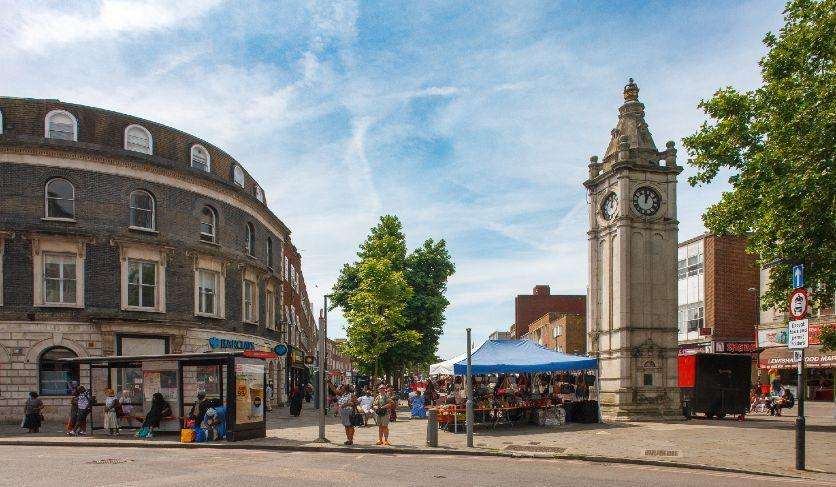
In Lewisham and Deptford, the transformation is even more pronounced. Once the heart of the Blackheath Hundred of Kent, these areas were the first to be swallowed by the expanding County of London in 1889. Yet, investigative analysis reveals a persistent "dual identity" in these hubs. The architectural DNA of these boroughs continues to reflect their Kentish industrial roots, even as they are repurposed for a modern, high-rise metropolitan lifestyle.
Governance and the Path Forward
The debate reaches its zenith in Bromley, the largest London borough by area. Unlike the inner-city zones, Bromley retains a distinctly "home county" atmosphere. The merger of Orpington, Chislehurst, and Beckenham into a single London entity remains a point of contention for those who view the Kent County Council as a more natural fit for their suburban needs.
Looking ahead, the political landscape is shifting toward a potential "devolution of identity." Sources close to local policy groups suggest that the next phase of this debate will not involve a simple return to 1962, but rather a push for greater autonomy for outer-London boroughs. The objective is to allow these areas to opt out of specific metropolitan regulations that clash with their semi-rural or suburban character.
"The people of these towns are Londoners by taxation but Kentish by heart," a local campaigner told journalists. This sentiment is expected to become a central theme in upcoming local elections, as candidates are forced to choose between the expansive vision of a "Mega-London" and the localized, traditional governance preferred by those on the Kentish fringe. As identity politics continues to evolve, the map of the South East may find its next iteration not in lines of ink, but in the strength of local conviction.