






.svg)
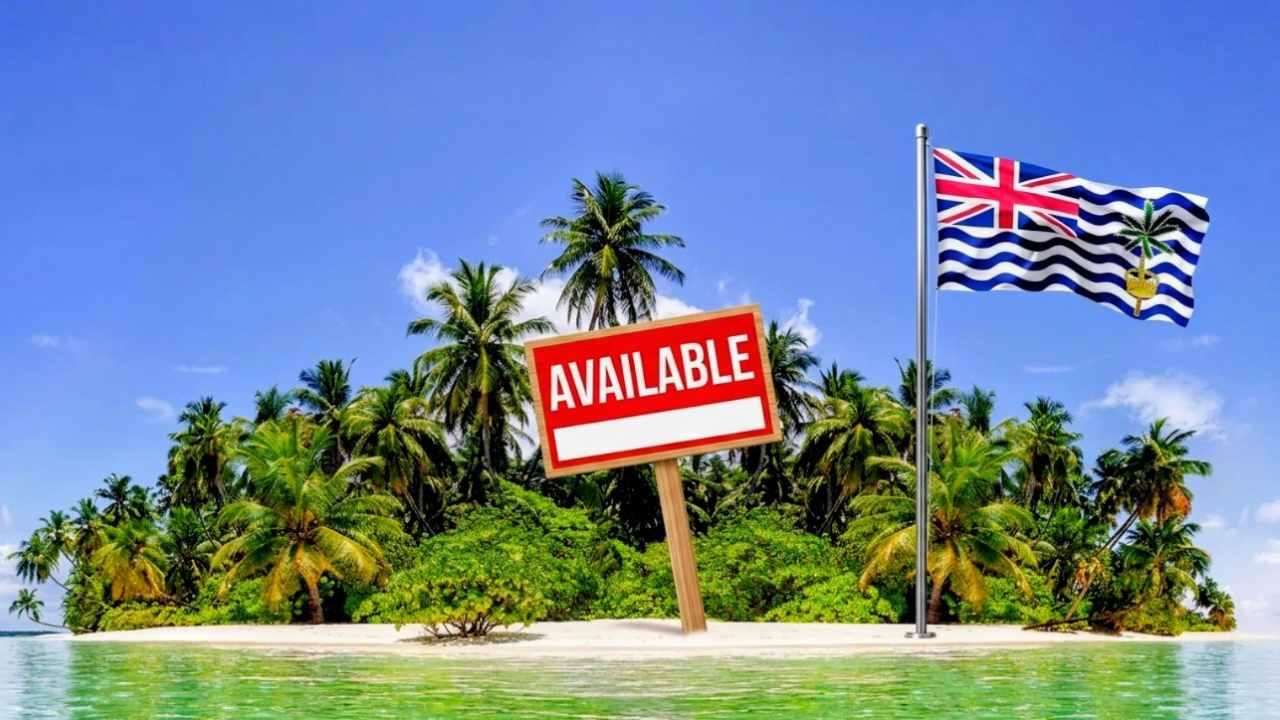
A profound shift in international diplomacy is unfolding across the Washington-London axis as the White House actively explores a direct acquisition of the Chagos Archipelago from Mauritius. This unconventional strategy, designed to bypass traditional British sovereignty entirely, marks a critical pivot in securing the future of the highly sensitive Diego Garcia military facility.
The move follows a period of intense friction between the allies. It has emerged that the White House explicitly withdrew its support for Downing Street's proposed treaty after British officials declined to authorize long-range bomber missions from the base during the opening phases of the conflict with Iran. This friction has effectively frozen the planned legislative ratification process in London, as British cross-party consensus relies heavily on absolute alignment with American strategic commands.
The proposed transaction introduces unprecedented legal complexity to the region. To execute this parallel track, Washington would theoretically allow the preliminary transfer of sovereignty from the United Kingdom to Mauritius to conclude, before initiating separate bilateral purchase negotiations with Port Louis.
For the British government, the development complicates an already fragile diplomatic position. London had initially structured an agreement to cede the archipelago while securing a 99-year lease for the military base, a arrangement carrying an estimated long-term cost of £35 billion ($46.7 billion). Critics within Western intelligence frameworks have consistently raised alarms over this framework, pointing to the expanding security infrastructure of Mauritius—particularly its integration of automated surveillance networks financed by external powers—as a severe counter-intelligence vulnerability.
Furthermore, any shift toward direct American governance must navigate the profound humanitarian concerns of the displaced Chagossian population. A delegation from the Chagos Refugees Group recently arrived in the UK to petition lawmakers to finalize the original transfer, emphasizing that international human rights and the right of return are being overshadowed by high-stakes geopolitical maneuvering.
UK Retail Sales Bounce Back Unexpectedly
The diplomatic impasse shifts the focus to upcoming bilateral consultations. While senior figures within the British Foreign Office maintain that they remain committed to the negotiated treaty, the legislative pathway is effectively blocked without a formal amendment to the historic UK-US Exchange of Letters that governs the shared facility.
Independent geopolitical analysts reporting for the daily dazzling dawn indicate that the White House is preparing alternative policy frameworks should a purchase agreement prove unfeasible. These options include demanding an independent, permanent American legal enclave on the island or pursuing an accelerated alternative basing strategy in the broader Indo-Pacific theatre. With the International Court of Justice closely monitoring compliance with its prior advisory opinions, the upcoming weeks will determine whether this strategic asset remains a joint Anglo-American platform or becomes a sovereign outpost of American defense infrastructure.

_1.jpg)