_1.jpg)




.svg)
Forensic investigators in the Eastern Cape province have launched a criminal inquiry into a devastating early-morning arson attack that claimed the lives of six Bangladeshi expatriate workers and left another critically injured in Queenstown.
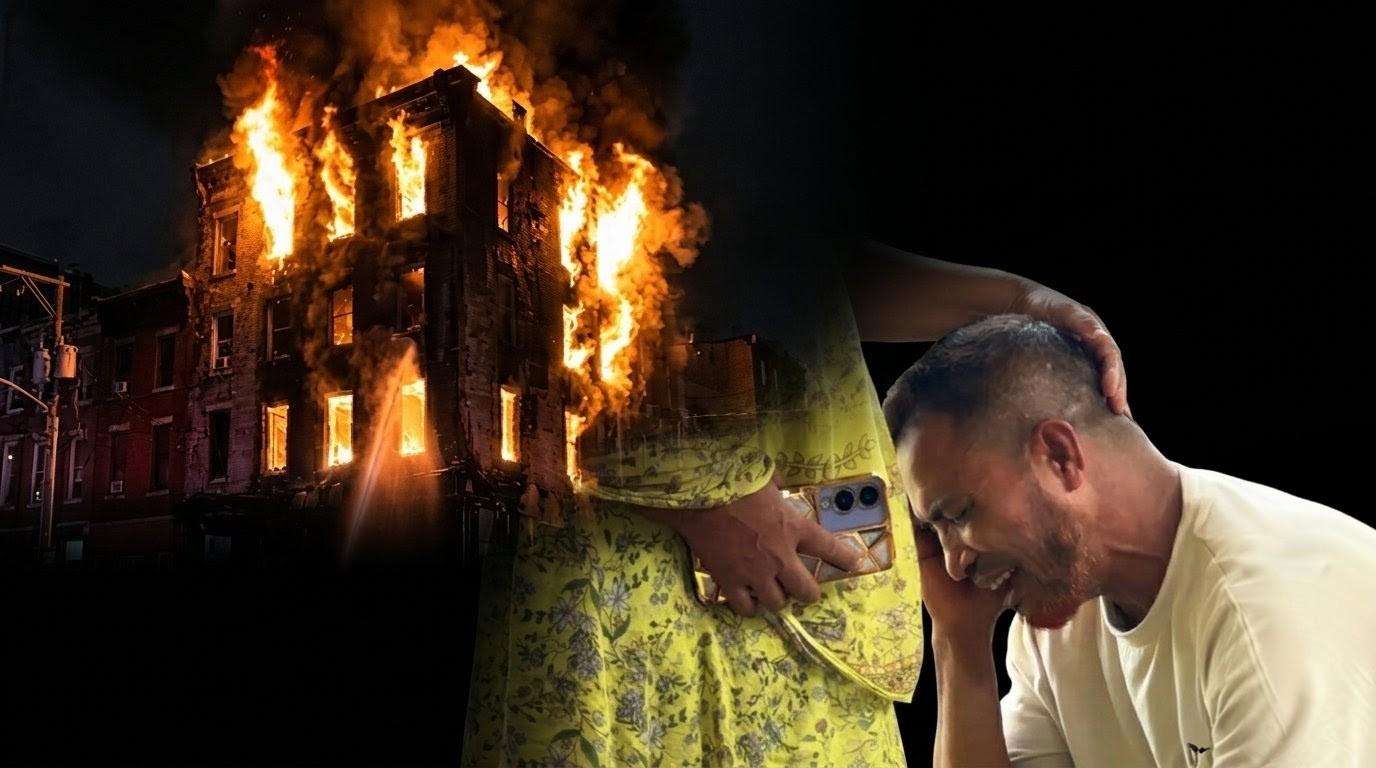
The tragic incident unfolded at approximately 3:00 am local time when armed assailants allegedly set fire to a commercial shop where the workers were asleep. Caught unaware in their sleep, six victims perished on the spot, while a seventh survivor was rushed to a local medical facility with severe injuries. The deceased individuals, including identified victims Md Faisal (25), Md Fahim (28), Shamim Hasan (30), and Mohammad Apon (24), hailed from the Kukerchar, Char Alirtek, and Ramnagar areas across Narayanganj Sadar Upazila.
Grief has overtaken the villages of Narayanganj as weeping relatives gather at the victims' homes. Ali Mia, the father of one of the deceased, named Apon, shared his profound sorrow with journalists, describing the devastating moment he learned of his son's fate and expressing agony over the loss. Local administrative officials in Narayanganj confirmed that while community reports have established the identity of the deceased, formal government-to-government verification is actively being processed through diplomatic channels.
An investigative update into the aftermath of the blaze reveals that official procedures for returning the mortal remains to Bangladesh have commenced under the supervision of the Bangladesh High Commission in Pretoria and the Ministry of Expatriates' Welfare and Overseas Employment. Legal and consular protocols dictate that the bodies must first undergo formal post-mortem examinations and DNA identification by South African forensic authorities to establish official cause of death and clear local police proceedings.
Following forensic clearance, diplomatic death certificates and transit permits will be issued to facilitate international transport. Based on standard diplomatic and administrative timelines for fatal incidents involving criminal investigations in South Africa, the repatriation process is estimated to take approximately two to four weeks.
Questions regarding the logistics and funding of the return process have been clarified under Bangladeshi migrant welfare policies. The repatriation will be coordinated through official state mechanisms rather than leaving families to shoulder private transport arrangements. Under the Wage Earners' Welfare Board framework, the government provides structured assistance for registered overseas workers, including an immediate BDT 35,000 emergency grant upon arrival at Hazrat Shahjalal International Airport in Dhaka to cover immediate transportation and burial costs, followed by a BDT 300,000 family welfare grant.
Reporting on this evolving international tragedy, Daily Dazzling Dawn maintains close monitoring of diplomatic communications between Dhaka and Pretoria. With South African police continuing their hunt for the armed perpetrators responsible for setting the deadly blaze, the immediate focus remains on expediting law enforcement clearances, providing medical care to the surviving worker, and ensuring the dignified return of the victims to their families in Narayanganj.