


.svg)
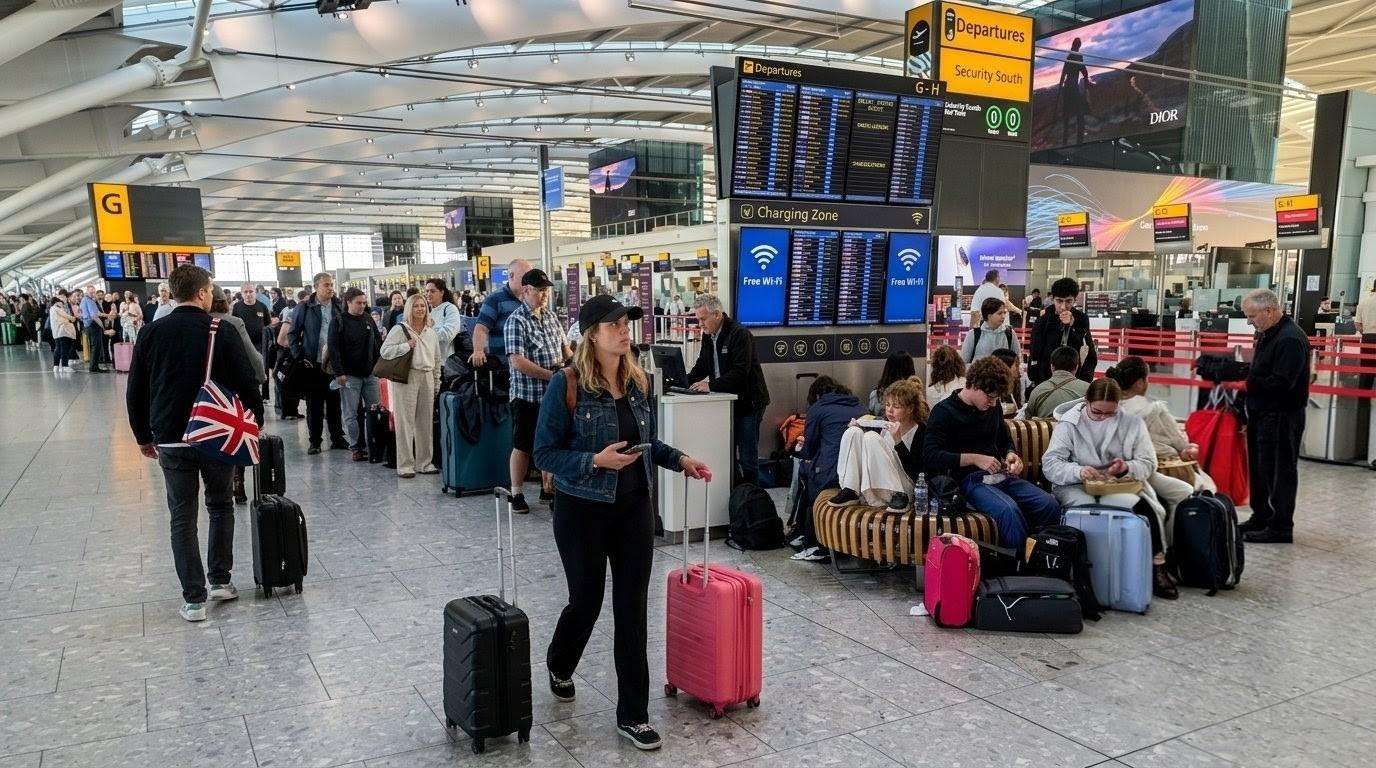
Millions of British travellers are heading overseas for the start of the summer holiday season, but concerns remain over the European Union's new Entry/Exit System (EES), prompting fresh calls for a temporary suspension of the scheme.
Around 2.2 million UK holidaymakers are expected to travel abroad between Friday and Monday, with popular destinations including Spain, Greece, Portugal, Italy, and Turkey. The busy travel period coincides with all UK schools beginning their summer break.
The Liberal Democrats have urged Greater Manchester Mayor Andy Burnham to press European leaders to pause the rollout of the biometric border system until at least September. The party argues that the new checks could create unnecessary disruption during one of the busiest travel periods of the year.
Speaking at Heathrow Airport, Liberal Democrat foreign affairs spokesperson Calum Miller said travellers and freight operators should not suffer because of what he described as a poorly implemented border system. He also linked the issue to post-Brexit travel arrangements, warning that millions of British holidaymakers risk delays.
The Entry/Exit System (EES) requires non-EU visitors to register when entering participating European countries by providing fingerprints, a facial photograph, and passport details. Although the system has been technically operational since April, border authorities have been allowed to ease some requirements during periods of heavy congestion.
UK Retail Sales Bounce Back Unexpectedly
Despite those temporary measures, some passengers have reported missing flights after spending hours waiting at border control.
Travel industry association Abta has advised passengers to allow extra time for their journeys, noting that many travellers will be using the new system for the first time. Chief Executive Mark Tanzer said processing times may be longer than usual at certain airports and border crossings.
Some European countries have already introduced temporary adjustments. Greece has indicated it will not require additional biometric checks for UK visitors, while technical issues with France's border technology have affected the operation of automated passport booths.
Scottish Sikh Activist Jagtar Singh Johal Granted Bail After Almost Nine Years in Indian Custody
The UK government has been in discussions with European officials to reduce disruption. Transport Secretary Heidi Alexander recently met with EU commissioners and French counterparts to discuss concerns surrounding the implementation of the new system.
A government spokesperson said that although the EES is an EU responsibility, ministers are working to ensure British travellers experience as little disruption as possible. Support has also been provided for new EES facilities and traffic management at the Port of Dover.
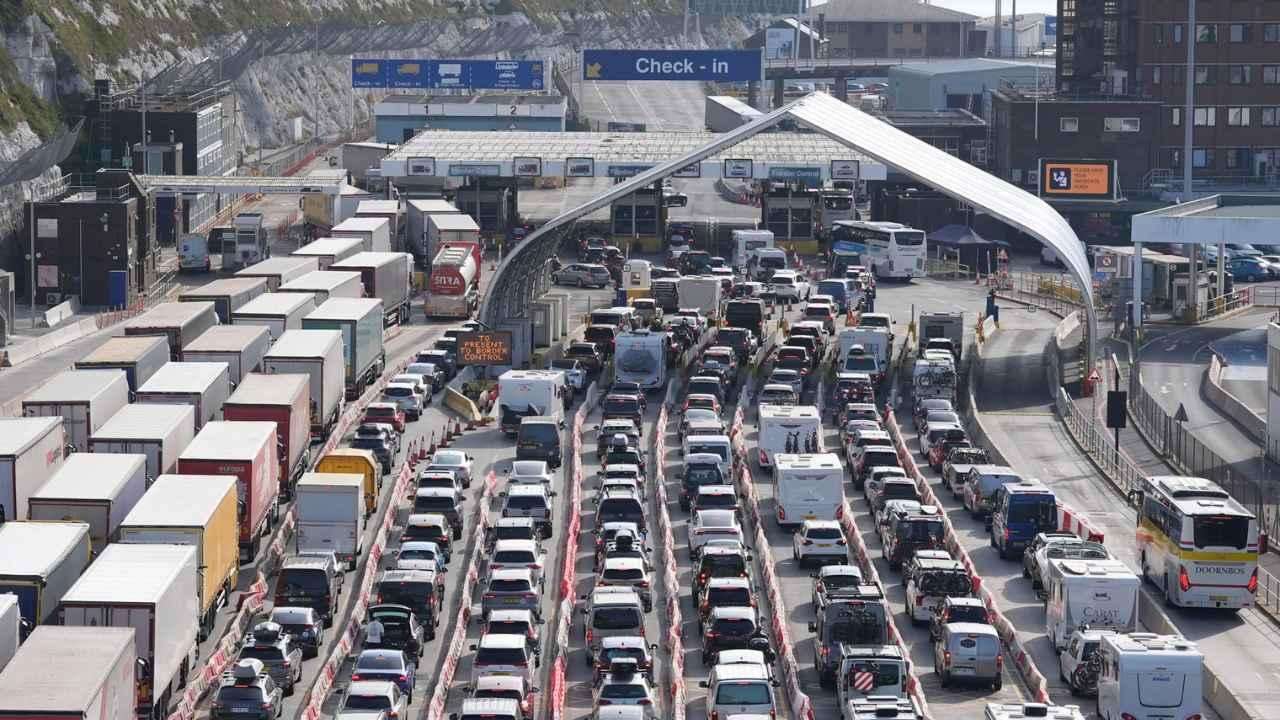
French border authorities have decided not to collect fingerprints or facial images from car passengers travelling through Dover ferry terminals and the Eurotunnel, helping traffic move more smoothly during the early stages of the holiday getaway.
The Port of Dover reported strong traffic volumes on Friday and Saturday, with more than 10,000 cars expected alongside regular freight services. Waiting times have remained relatively short, ranging from around 10 to 40 minutes.
Attention is now turning to return journeys from Europe, where the full implementation of the biometric system could cause longer processing times. Airline easyJet has called on the European Union to continue allowing flexibility in the EES rules until the end of October to help minimise disruption during the peak summer travel season.


_1.jpg)