



.svg)
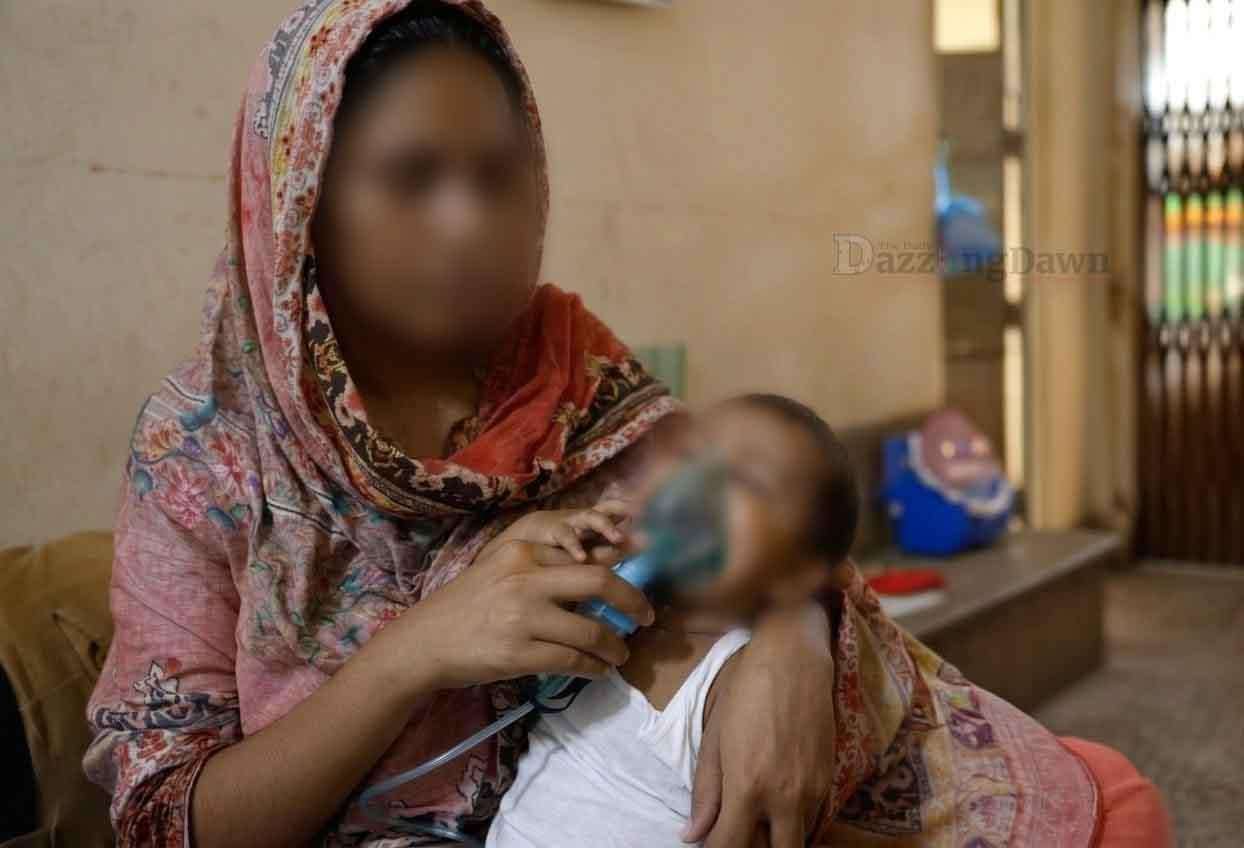
Bangladesh has entered a critical phase of a public health emergency as the death toll from a widespread measles outbreak reaches 149. While the initial surge was detected in the Cox’s Bazar refugee settlements, the virus has now successfully breached 56 out of 64 districts. The capital, Dhaka, has emerged as the current epicentre, reporting eight of the ten most recent fatalities. With suspected cases now exceeding 9,000, the government has moved beyond containment to an aggressive, large-scale immunisation strategy targeting 1.2 million children.
The speed of transmission has forced a significant policy shift. Health authorities told journalists that the eligibility age for the first vaccine dose has been lowered from nine months to six months, a move designed to protect infants who were previously falling into an "immunity gap." Current data indicates that over one-third of those infected are under nine months old.
Legal Scrutiny and Infrastructure Strain
The crisis has triggered significant legal and political ramifications. A Dhaka-based lawyer, Muhammad Ashraful Islam, has initiated legal proceedings against former government officials. He told journalists that a policy shift transferring vaccine management from the state to the private sector directly contributed to the current shortage and subsequent loss of life. This legal action seeks travel restrictions on former leadership, alleging that the 2024 cancellation of a national vaccination drive due to political instability left millions of children vulnerable.
On the ground, the healthcare infrastructure is nearing a breaking point. Specialist paediatric wards in Dhaka and major regional cities like Rajshahi and Sylhet are at full capacity. International health representatives have expressed deep concern over the "zero-dose" children—those who have never received a single vaccination. Experts told journalists that the 2025 vaccination rate plummeted to roughly 56%, a sharp decline from previous years that has created a massive pool of susceptible hosts for the highly contagious virus.
Future Outlook and International Risk
Looking ahead, the Directorate General of Health Services (DGHS) plans to expand the emergency campaign from 18 high-risk districts to a nationwide scale. The focus is shifting toward "mop-up" operations in densely populated urban slums where social distancing is impossible. Medical experts warn that unless the 95% threshold for herd immunity is restored quickly, the outbreak could persist through the monsoon season, further complicating hospital logistics.
This resurgence is not isolated to South Asia; it reflects a global trend. With the UK and the US having recently lost their "measles-free" status due to similar declines in vaccine uptake, international health agencies are monitoring the Bangladesh situation for potential new variants or patterns of transmission that could impact global health security.
Essential Guidance for UK and USA Residents
For expatriates, dual citizens, or travellers currently in or planning to visit Bangladesh, the following precautions are mandatory:
- Status Verification: Ensure you and your children have documented proof of two doses of the MMR (Measles, Mumps, and Rubella) vaccine. If unsure, seek a booster at least two weeks before travel.
- Infant Protection: Given that Bangladesh has lowered the vaccination age to six months, parents travelling with infants should consult a GP about an early dose, as the standard UK/USA schedule typically begins at 12 months.
- Symptom Vigilance: If a fever or rash develops, isolate immediately and contact your respective Embassy or High Commission for a list of recommended private facilities, as public hospitals are currently overwhelmed.
- Avoid High-Risk Areas: Minimise visits to overcrowded public spaces and healthcare facilities in Dhaka and Cox’s Bazar unless for emergency purposes.

.jpg)