





.svg)
Bangladesh has initiated an urgent nationwide energy conservation strategy to shield the economy from the escalating volatility in global fuel markets. With the Middle East conflict entering a critical phase, the Ministry of Public Administration has mandated that all civil servants significantly reduce electricity consumption to prevent a total grid failure. Sakhawat Hossain told journalists that the government is prioritizing the most essential operations, confirming that only the necessary number of lights, fans, and air conditioners should remain active during business hours. This directive specifically orders that cooling systems be maintained at a minimum of 25 degrees Celsius to curb the rapid depletion of national reserves.
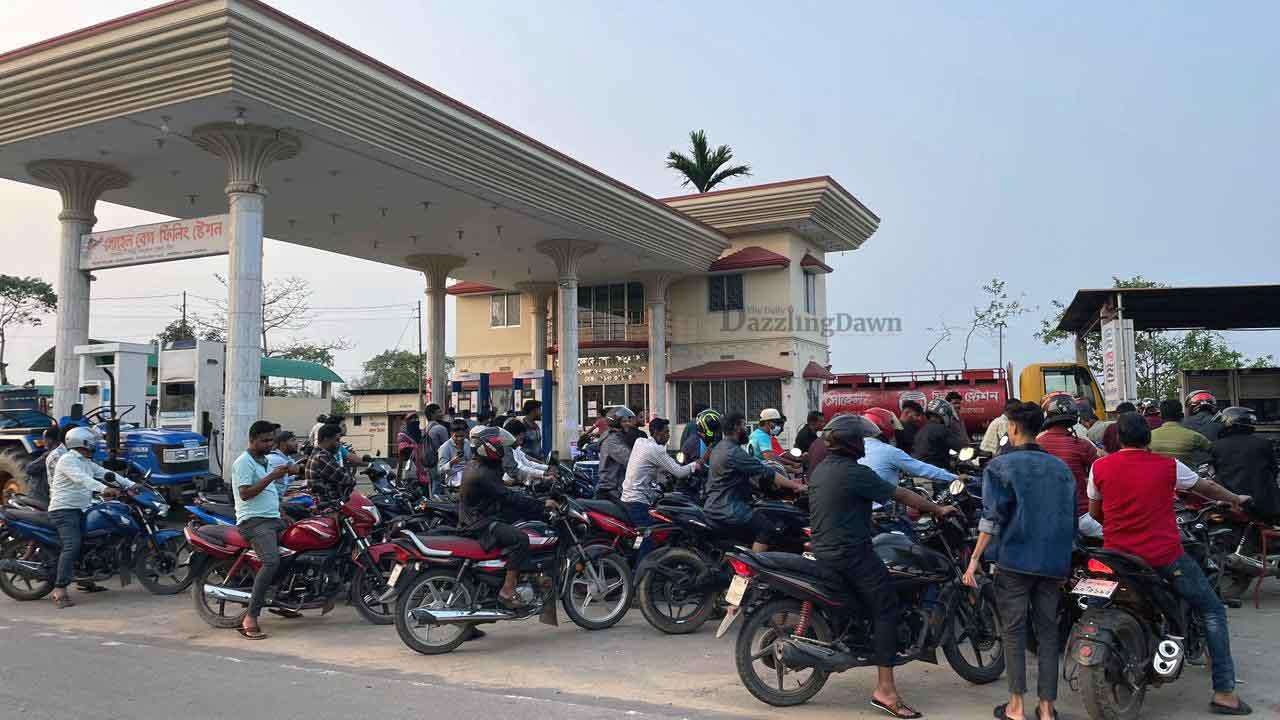
The current situation is particularly precarious for the South Asian nation of 170 million, which remains heavily dependent on external sources for 95 percent of its oil and gas. Beyond the immediate cooling restrictions, the government is moving toward a more aggressive fiscal defense by seeking approximately $2 billion in emergency loans from multilateral donors. These funds are intended to bridge the widening gap in the balance of payments caused by skyrocketing energy import costs. Observers noted that the administrative orders issued late Sunday are just the first step in a broader austerity package that includes limiting fuel purchases at the pump and halting production at energy-intensive fertilizer factories to prioritize residential and hospital power.
 To navigate this crisis, Bangladesh is looking toward high-efficiency solutions successfully implemented in other emerging economies. A realistic path forward involves the rapid deployment of "Agrivoltaics," a system used extensively in Vietnam and parts of India where solar panels are installed above crop fields. This allows the country to generate renewable energy without sacrificing precious arable land, addressing both the food and energy security dilemmas simultaneously. Furthermore, the government is considering a shift toward "Floating Solar" technology, similar to Singapore’s large-scale deployments on reservoirs, which reduces water evaporation while providing a steady power supply. These decentralized energy models offer a more resilient alternative to the centralized gas-fired plants that are currently suffering from supply chain disruptions.
What happens next involves a significant shift in the nation's labor and industrial landscape. Reliable sources indicate that the government may soon announce a four-day work week for specific sectors or a return to mandatory remote work for non-essential administrative roles to further lower the carbon footprint and energy demand of urban centers. Additionally, the deployment of police at filling stations is expected to transition into a digital fuel rationing system, similar to the QR-code-based models used during the Sri Lankan economic recovery, to ensure equitable distribution and prevent hoarding as the regional conflict deepens.