






.svg)
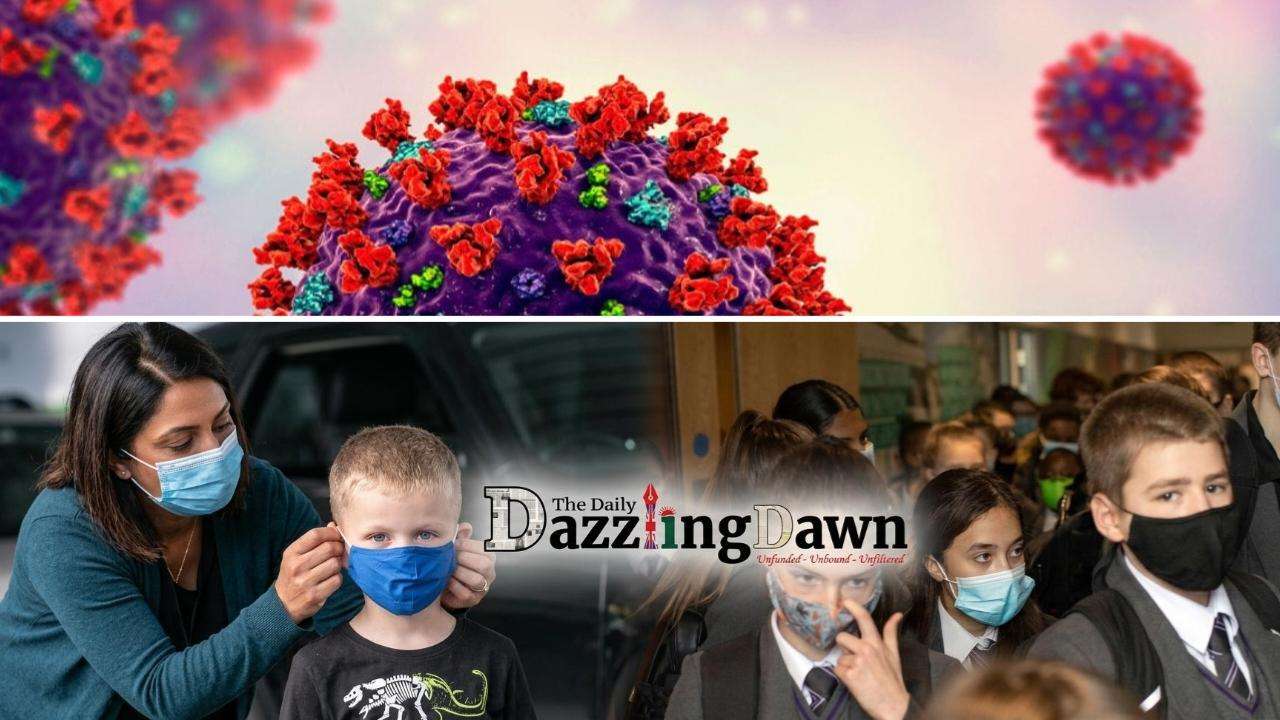
The upcoming Easter school holidays across the United Kingdom are facing a significant public health shift as the BA.3.2 "Cicada" variant begins to outpace previous strains.
New Transmission Patterns Emerging
As families prepare for the spring break, health officials are closely monitoring the rapid ascent of the Cicada variant, which is currently undergoing intensive laboratory testing. Unlike previous waves that primarily targeted the elderly, the BA.3.2 strain is demonstrating a unique ability to circulate among younger demographics. This trend is particularly concerning as millions of children prepare to break for the holidays, potentially acting as primary drivers for a national surge.
Expert Insights on Immune Evasion
The genetic architecture of the Cicada variant sets it apart from predecessors. "This is different from the viruses we have been dealing with for the last two years," Professor Ravi Gupta of Cambridge University told journalists. He noted that the strain has been found in the UK and is increasing in prevalence, with expectations that it will soon become the dominant version of the virus.
The variant's "immune escape" capabilities are linked to approximately 75 genetic mutations in its spike protein. These changes allow the virus to bypass existing antibodies more effectively. Professor Gupta further explained to journalists that the virus likely evolved through a long-term incubation in a single immunocompromised "patient zero" before entering general circulation.
Risks to Schools and Households
The lack of vaccine exposure in younger age groups has placed children at the forefront of this new wave. While symptoms remain generally mild—mirroring traditional respiratory infections with the addition of gastrointestinal issues like nausea—the high rate of transmission remains the primary threat.
"Some people have done analysis on this suggesting it may be more prevalent among young children," Professor Gupta told journalists. He highlighted that because children have largely never been exposed to Covid vaccines, they represent a significant population where the virus can spread rapidly before eventually reaching more vulnerable family members.
Next Steps for Public Health
As the UK enters the post-flu season period, the focus shifts toward maintaining hospital capacity. Current data from Denmark and the Netherlands shows that while the variant makes up 30% of sequences, it has not yet caused a proportional spike in critical hospitalizations. However, the sheer volume of infections remains a variable that could pressure the NHS.
"The immunocompromised and the elderly are at the biggest risk, but vaccines should prevent some of the most severe complications in most people," Professor Gupta told journalists, adding that he had recently observed patients at Addenbrooke’s Hospital admitted with the virus, proving its continued threat to the frail.
Vaccine Access and Guidance
The NHS continues to offer free boosters to those aged 75 and over, or those with severely weakened immune systems. For the wider public planning Easter travel or gatherings, private vaccinations are now available through high-street pharmacies for those wishing to bolster their defenses against the BA.3.2 surge.
This latest development serves as a reminder that Covid-19 remains a persistent factor in seasonal planning, with the Cicada variant marking a new chapter in the virus's evolutionary strategy.