






.svg)
The international aviation community faces unprecedented scrutiny following a second devastating skydiving plane crash within a fortnight, raising urgent questions regarding operational oversight and aircraft maintenance protocols.
In the latest disaster, a civilian aircraft carrying a group on a skydiving excursion went down near the eastern French town of Tomblaine, close to the city of Nancy. Local officials confirmed that the aircraft came down at approximately 11:00 am local time on Sunday, instantly killing all 11 individuals on board. Yves Séguy, the prefect of the Meurthe-et-Moselle region, told journalists near the scene that emergency services responded immediately, and investigators are actively collecting witness statements to piece together the final moments of the flight.
This European tragedy follows just two weeks after a remarkably similar incident unfolded across the Atlantic. On June 14, a private Pacific Aerospace 750XL turboprop plane, operated on behalf of Skydive Kansas City, crashed moments after taking off from Butler Memorial Airport in Missouri. That flight ended in a catastrophic post-crash fire just 200 yards from the runway, claiming the lives of 11 skydivers—including seasoned instructors and technical leaders—and their pilot.
The Daily Dazzling Dawn note that the rapid succession of these two high-fatality accidents has sent shockwaves through the global sports aviation sector. In the Missouri incident, eyewitnesses reported hearing what appeared to be an immediate loss of engine power after the single-engine aircraft climbed to an altitude of roughly 30 metres.
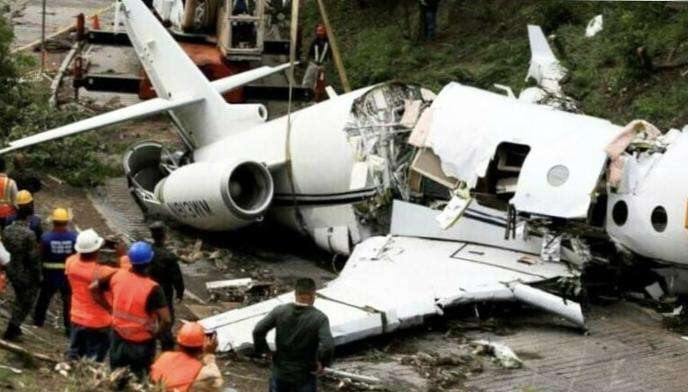
An emergency management official told journalists that the pilot appeared to be trying to make it over to a nearby highway to land but stalled, plunging nose-first into the field. Observers noted that the aircraft shattered completely upon impact, leaving the occupants no time to execute emergency jumps. In France, technical teams from the Bureau of Enquiry and Analysis for Civil Aviation Safety (BEA) are already mimicking protocols used by the American National Transportation Safety Board (NTSB) to evaluate whether weight, balance, or sudden powerplant failure precipitated the latest disaster.
Moving forward, regulatory bodies on both sides of the Atlantic are shifting focus toward a comprehensive forensic analysis of short-takeoff-and-landing turboprop operations. While the Federal Aviation Administration and the NTSB continue analyzing the wreckage of the 2010-manufactured aircraft in Missouri, French investigators have secured the Tomblaine crash perimeter to recover flight logging equipment and assess atmospheric conditions.
With skydiving centers operating as close-knit communities, regional networks are bracing for systemic safety audits. Representatives from governing parachute associations have expressed profound sympathies, noting that the immediate priority remains supporting the grieving families while allowing investigators unfettered access to maintenance logs and operational data to determine if a broader mechanical vulnerability links these tragic events.


.jpg)