
.jpg)



.svg)
The United Kingdom is currently scrutinising the integration of biometric fitness kiosks into municipal transport hubs to address the nation's escalating physical inactivity crisis.
The Incentive Mechanism
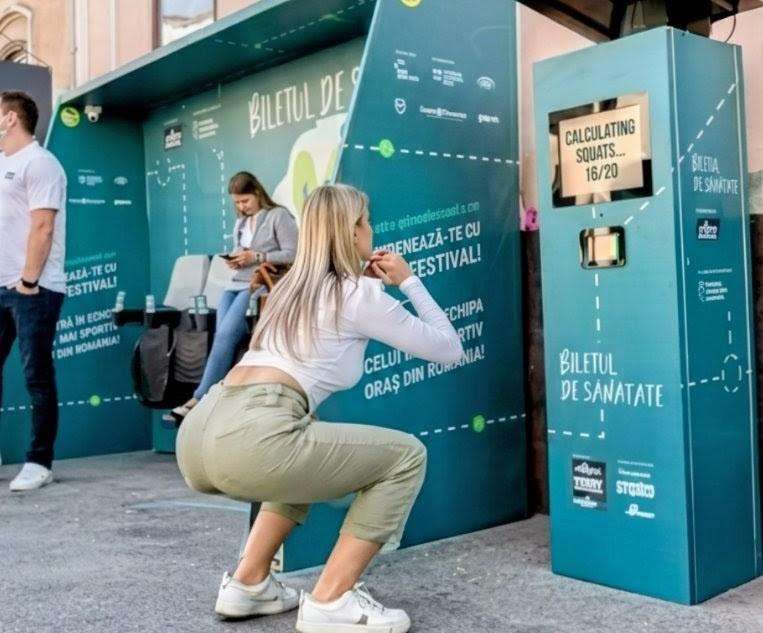
Following the success of initiatives in Eastern Europe where commuters exchange physical exertion for transit access, British health policy analysts are investigating the viability of "wellness vouchers." This model utilises advanced motion-tracking technology to monitor real-time exercise, rewarding participants with immediate digital fare credits. Unlike traditional health campaigns that rely on abstract long-term benefits, this strategy leverages the psychological impact of micro-incentives to embed movement into the fabric of the daily commute.
Public Health and Economic Equilibrium
Proponents of the scheme argue that the primary strength lies in its ability to democratise fitness, reaching demographics that typically bypass gym environments. By gamifying the morning commute, local authorities hope to mitigate the multi-billion pound burden that sedentary lifestyles place upon the NHS. However, the proposal is not without its detractors. Critics raise significant concerns regarding "poverty shaming," questioning whether the most vulnerable citizens should be required to perform physical tasks to access essential services. Furthermore, data privacy advocates have highlighted potential risks associated with the use of AI cameras and motion sensors in public spaces.
Implementation and Regulatory Horizons
To address these complexities, the next phase of development focuses on "inclusive kinetics." This refined approach ensures that the technology can recognise a variety of physical movements, catering to those with limited mobility, while maintaining a strict "opt-in" framework. Government insiders suggest that the upcoming legislative updates regarding urban "Smart Zones" may include specific provisions for health-incentive infrastructure. Unlike previous iterations, the new British framework is expected to integrate these rewards directly into existing contactless payment apps, removing the need for physical paper tickets.
Future Trajectory
The immediate focus for policymakers is the commencement of trial zones in major metropolitan areas later this year. These pilots will measure the direct correlation between fare incentives and sustained cardiovascular health improvements among regular commuters. "The objective is to transform the transit network from a passive service into an active health asset," a senior public health strategist told a journalist. As the UK looks toward a post-car future, the fusion of transport and preventative medicine represents a significant shift in how the state encourages civic well-being without resorting to punitive measures.