.jpeg)




.svg)
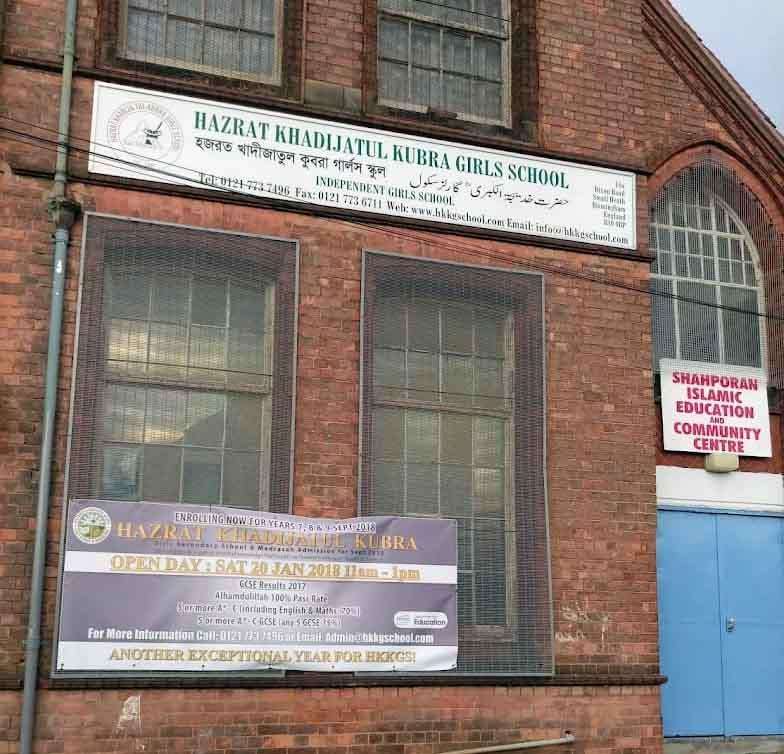
Jami’ah Khadijatul Kubra stands as a vital pillar of the Small Heath community, currently embarking on a transformative journey to ensure its long-term educational mission.
The institution, a cornerstone for full-time Islamic education for young women in Birmingham, is currently addressing a financial shortfall that highlights the broader challenges faced by independent faith-based schools. Established in 2016, the Dixon Road school has served as a unique sanctuary for academic and spiritual growth, offering the specialized Aalimiyyah course. Recent financial disclosures indicate a deficit of £93,261 for the current academic year, a figure attributed to a sustained period of fluctuating student enrolments and a fee structure designed to remain accessible to the local population.
The path forward for the school is now defined by a robust community-led initiative aimed at stabilizing its foundations. Supporters have galvanized to launch a strategic fundraising campaign, which has already begun to see a steady influx of contributions. This movement is not merely about balancing a ledger; it represents a collective commitment to preserving a space where young women develop leadership skills rooted in their heritage. The school’s leadership described the situation as a critical juncture between continuity and closure, emphasizing that the institution is a home for students who have committed themselves to the path of knowledge.
Beyond the immediate financial requirements, the conversation surrounding the school is shifting toward long-term sustainability and the vital role of specialized education in a diverse urban landscape. Community advocates point out that the loss of such an institution would create a significant vacuum in the provision of culturally tailored education in the West Midlands. The school has functioned as a space where lifelong bonds are formed and where futures are shaped, providing a tailored environment that many families consider indispensable.
The upcoming weeks are expected to be a period of intense engagement between school governors, local stakeholders, and the wider community. Plans are reportedly being discussed to enhance the school’s outreach and potentially diversify its offerings to ensure that the "beacon of knowledge" can thrive well into the next decade. Staff members, who have dedicated ten years to delivering high-level Islamic scholarship, remain steadfast in their commitment to the student body as the institution seeks to transition from this period of uncertainty into a new era of financial and academic resilience.
Education analysts suggest that the success of this rescue bid could serve as a blueprint for other independent faith schools facing similar economic pressures. For now, the focus remains on the immediate goal of clearing the deficit and securing the doors for the current and future cohorts of students. As the fundraising total climbs, the narrative is increasingly becoming one of hope and community solidarity, reflecting the profound value placed on an institution that has shaped the character of countless young women since its inception.