



.svg)
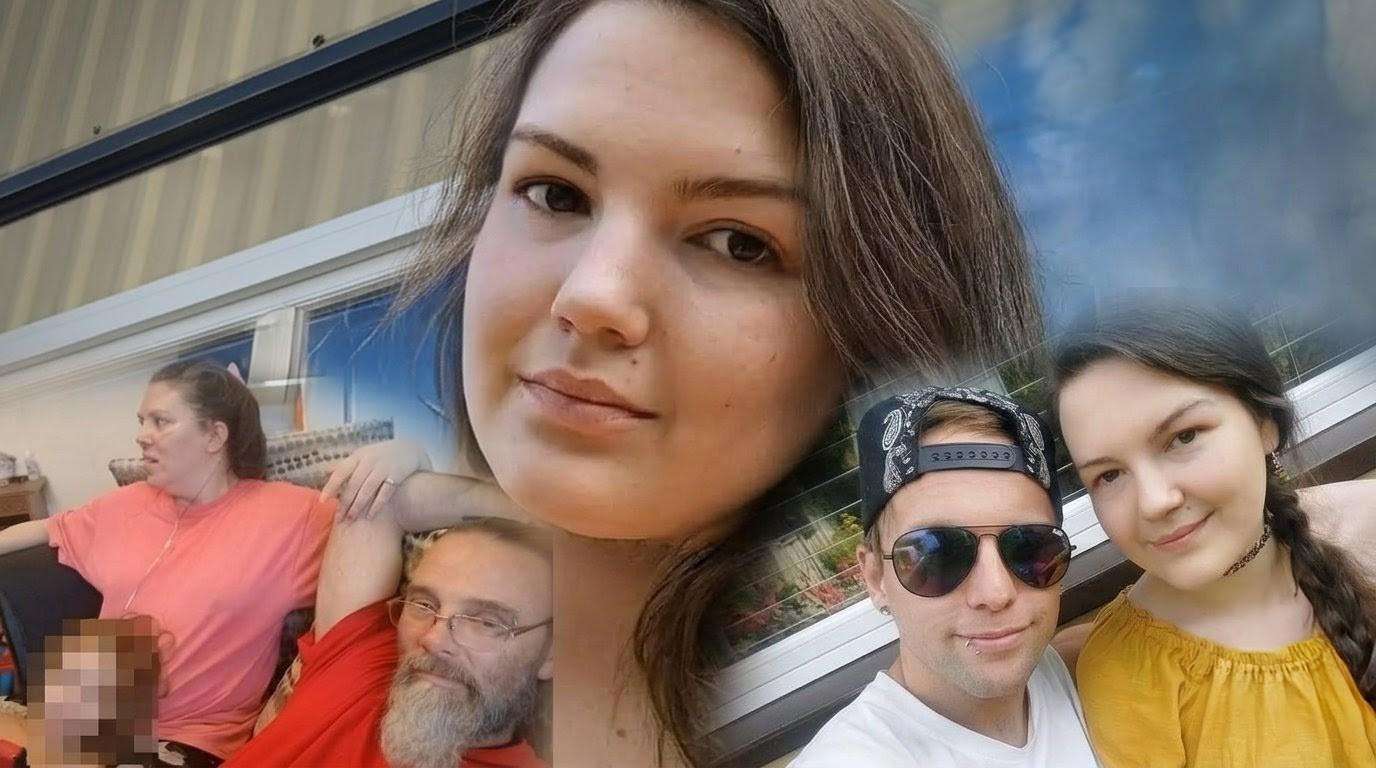
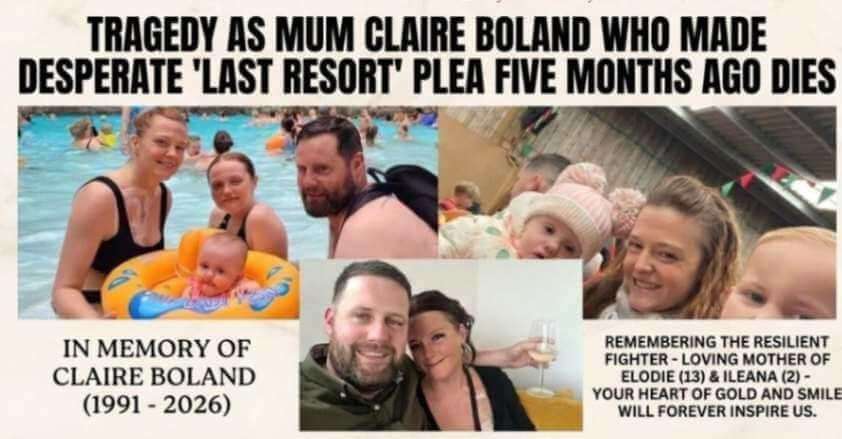
The devastating passing of Claire Boland has exposed the silent crisis facing thousands on the UK organ transplant waiting list with rare blood groups, Daily Dazzling Dawn realised.
The Invisible Barrier to Survival- While the public was aware of Claire Boland’s five-year search for a kidney, the scientific reality of her "rare match" status is only now coming to light as a cautionary tale for the NHS. With a rare blood type and a compatibility rate of just 2 in 10,000, Claire was effectively fighting a biological lottery. Experts suggest that for patients like Claire, the traditional waiting list is often a race against time that the body cannot win without a direct living donor. The focus now turns to the "living legacy" she leaves behind in Stockport, where local advocates are calling for a radical shift in how we approach rare-match donor recruitment to prevent another family from being "destroyed."
For her husband, Damien, and daughters Elodie, 13, and Ileana, 2, the immediate future is a logistical and emotional mountain. Because Claire was diagnosed with type one diabetes at just eight years old, she was deemed "uninsurable" by many providers. This has left the family in a precarious financial position, now entirely dependent on a local crowdfunding effort to cover basic memorial costs and the girls' immediate needs.
The evening at the bingo hall on 29 March was supposed to be a rare escape from the "mental strain" of dialysis that Claire had described only months earlier. The transition from laughter to a "catastrophic" brain bleed happened in seconds, a grim reminder of how chronic renal failure can suddenly impact cardiovascular health. At Stepping Hill Hospital, the medical team faced a heartbreaking reality: the bleed was so deep within the brain that surgery would have been "futile."
"She was my rock and my world," her mother, Deborah Kershaw, told a journalist. "She fought for four days after the ventilator was turned off—she was a true fighter until the very end. She just wanted a normal life with her husband and her girls." This four-day final stand has become a symbol of Claire’s resilience for those who knew her, showcasing a strength that medical monitors could not measure.
In the coming weeks, the focus moves from the hospital to the home. The family is currently coordinating a community-led support system to assist Damien with the children during the school holidays. There is also a growing movement among local residents to turn Claire’s story into a permanent campaign for organ donation awareness in Greater Manchester. While Claire never got to take her daughters on the holiday she dreamed of, her story is now driving a surge in local donor registrations, ensuring that her five-year wait was not in vain.



_1.jpg)