





.svg)
Diplomatic efforts to end the ongoing conflict between the United States and Iran have faltered after 21 hours of intense negotiations in Islamabad ended without a breakthrough, raising concerns over the stability of a fragile ceasefire.
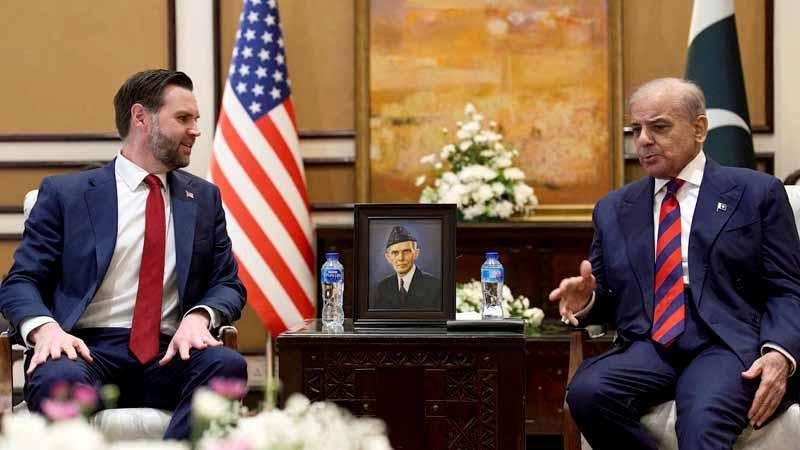
The high-stakes talks, hosted in Pakistan, were aimed at halting a war that has claimed thousands of lives—most of them in Iran—and disrupted global energy markets. However, both sides left the negotiating table blaming each other for the deadlock.
US Embassy London’s $500K Grant Programme Sparks Debate Over Influence in UK Public Discourse
Leading the US delegation, Vice President JD Vance struck a critical tone, saying the failure to reach an agreement would have greater consequences for Tehran than Washington. “The bad news is that we have not reached an agreement,” he told reporters before departing Islamabad.
Iran, however, downplayed expectations, with its Foreign Ministry stating that no comprehensive agreement was expected in a single round of talks. Officials emphasized that diplomacy would require multiple rounds of engagement.
Pakistan’s Foreign Minister Ishaq Dar reaffirmed Islamabad’s commitment to facilitating dialogue between the two sides, signaling continued efforts to revive negotiations and preserve the ceasefire.
Amid the diplomatic impasse, Iran is racing to repair critical oil infrastructure damaged during the conflict. Deputy Oil Minister Mohammad Sadegh Azimifar said the country aims to restore 70–80% of its refining and distribution capacity within two months. Facilities across the country, including sites on Lavan Island, were heavily targeted, though partial operations are expected to resume within days.
International Reaction
Global reactions have highlighted growing frustration over the stalled talks.
In the United Kingdom, Health Secretary Wes Streeting described the lack of progress as “disappointing,” stressing that diplomacy often requires persistence. He noted that while no breakthrough was achieved, continued negotiations remain essential to securing a sustainable end to the conflict.
Similarly, Australia expressed concern over the outcome. Foreign Minister Penny Wong called the collapse of talks “disappointing” and urged both sides to maintain the ceasefire and return to the negotiating table to avoid further humanitarian and economic fallout.
Analysts warn that without renewed diplomatic momentum, the risk of escalation remains high. The collapse of the Islamabad talks has already contributed to volatility in global oil and gas markets, underlining the broader economic implications of the conflict.

.jpg)