

.jpg)



.svg)
Saudi Arabia’s energy sector has suffered significant disruption following a series of attacks on key oil facilities, reducing the kingdom’s production capacity and affecting critical export routes, according to the state news agency SPA.
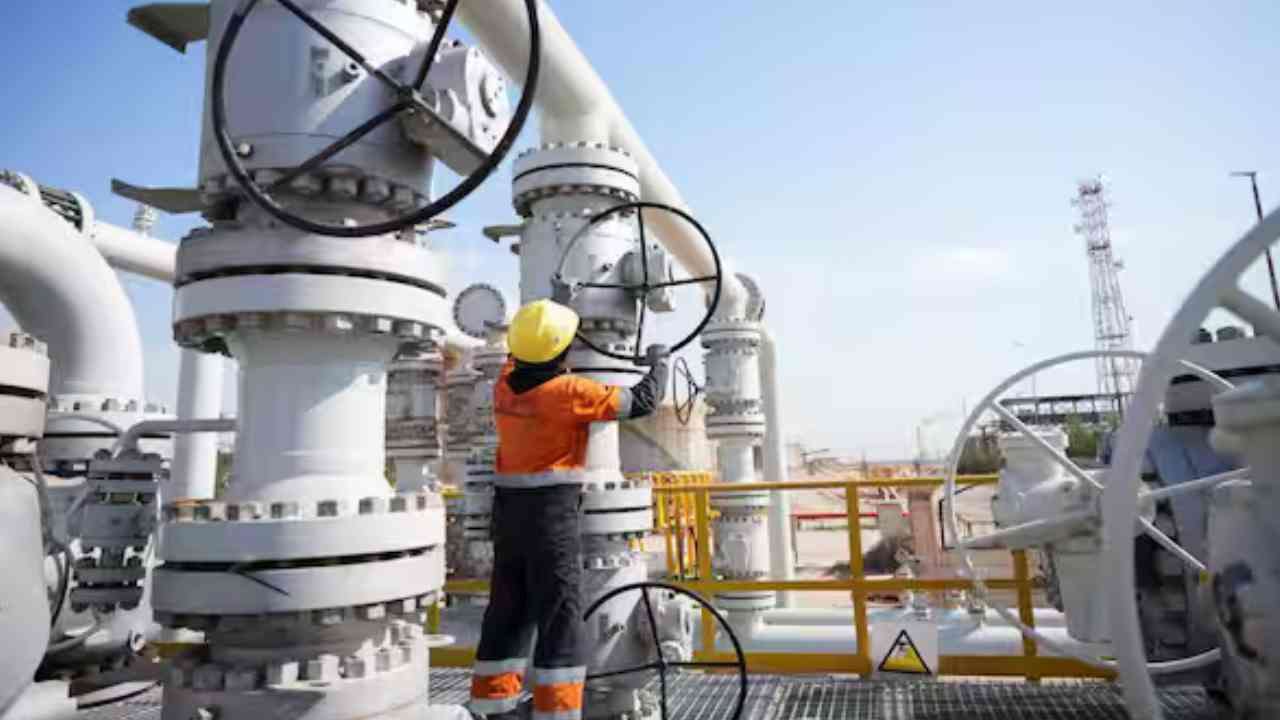
An official source from the Ministry of Energy reported that the attacks have cut oil production capacity by approximately 600,000 barrels per day (bpd). Additionally, throughput on the vital East-West Pipeline has dropped by around 700,000 bpd after one of its pumping stations was struck.
While authorities did not officially identify those responsible, the incidents come amid escalating regional tensions. Saudi Arabia has recently intercepted numerous missiles and drones believed to have been launched from Iran. The attacks are linked to the ongoing conflict involving the United States, Israel, and Iran, which began earlier this year.
The strikes have impacted multiple energy facilities across Riyadh, the Eastern Province, and Yanbu Industrial City. Key oilfields such as Manifa and Khurais were among those hit, each contributing to substantial production losses. The extent and duration of the outages remain uncertain.
Major refining hubs have also been affected, including facilities in Jubail, Ras Tanura, Yanbu, and Riyadh. Fires at processing sites in Ju’aymah have further disrupted exports of liquefied petroleum gas and natural gas liquids, tightening global supply conditions.
The East-West Pipeline has become especially critical, serving as Saudi Arabia’s primary export route as access through the Strait of Hormuz remains heavily restricted. Any reduction in pipeline flow is expected to intensify pressure on already constrained global oil markets.
Oil prices reacted quickly to the developments, with benchmark Brent crude rising after the news, reflecting concerns over supply shortages and market instability.
The conflict has also resulted in casualties. One Saudi national working in industrial security was killed, and several others were injured during the attacks.
Energy analysts warn that continued strikes on Saudi infrastructure could further destabilize global energy markets. Saudi Arabia plays a central role in global oil supply, and prolonged disruptions to its production, refining, or export capabilities could lead to increased price volatility and heightened risks for energy-importing nations.
Officials also indicated that repeated attacks have already depleted a significant portion of the kingdom’s operational and emergency reserves, limiting its ability to offset ongoing supply disruptions.
As tensions persist and ceasefire conditions remain fragile, the outlook for global energy stability remains uncertain.