





.svg)
For almost 20 years, the United States quietly supported a worldwide initiative aimed at preventing the internet from fragmenting into isolated, authoritarian-controlled networks. Now, that funding is under serious threat — and much of it has already been cut — raising concerns about the future of online freedom globally.
The programme, known broadly as Internet Freedom, was overseen by the US State Department and the US Agency for Global Media. It financed small organizations across countries such as Iran, China, and the Philippines that developed grassroots tools to bypass government-imposed internet restrictions. According to analysis, more than $500 million has been distributed over the past decade, including $94 million in 2024 alone.
US Embassy London’s $500K Grant Programme Sparks Debate Over Influence in UK Public Discourse
However, significant changes came with the creation of the Department of Government Efficiency (Doge) under Donald Trump, aimed at shrinking federal agencies and initiatives. In 2025, many long-serving staff members connected to Internet Freedom either resigned or were dismissed amid broader budget cuts. Numerous programmes were permanently ended, and the main grant office did not issue any funding that year.
The Open Technology Fund (OTF), a nonprofit responsible for directing roughly half of the programme’s funding, successfully sued to restore part of the money in December. The Trump administration is currently appealing that decision. Additionally, in January, the administration withdrew from the Freedom Online Coalition — a global alliance originally established by the US to promote digital rights.
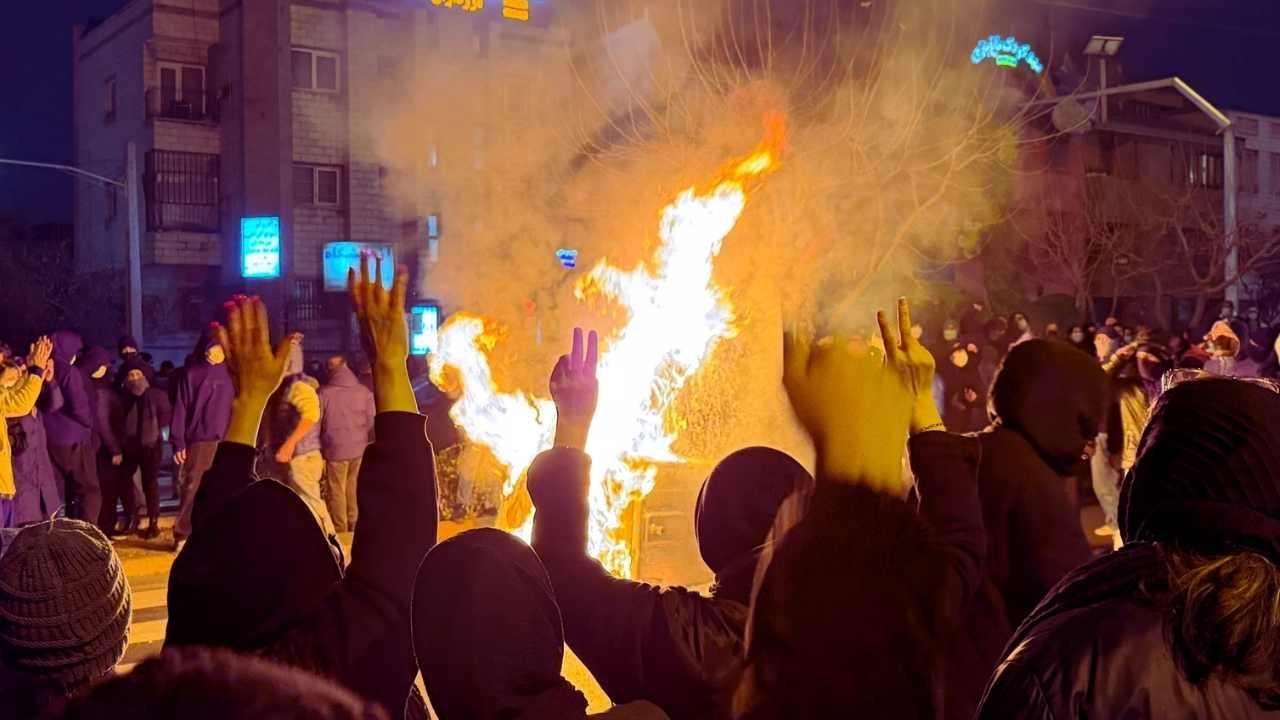
These reductions could severely affect technologies that helped Iranians coordinate during recent protests and share evidence of violent crackdowns with the outside world. Similar impacts are expected in countries like Myanmar, where activists attempt to bypass military censorship, and in China, where citizens seek to avoid state surveillance.
Former officials described the programme as “effectively gutted,” noting that no grants were issued this year. Digital rights advocates argue that although it would be preferable not to rely so heavily on a single US initiative, Internet Freedom had become a critical pillar supporting global access to uncensored information.
The programme’s mission was to prevent countries from completely isolating their populations from the global internet — as North Korea has done over decades, and as Iran briefly achieved during a recent crackdown by shutting down nationwide access. To counter such moves, the US funded technologies designed to bypass censorship, including well-known tools like encrypted messaging services and anonymous browsing platforms.
Beyond familiar applications, the programme also supported advanced circumvention technologies capable of bypassing even highly sophisticated censorship systems — such as China’s Great Firewall — and delivering international news through satellite-based data broadcasting when mobile networks are disabled. Other tools enabled secure communication during protests, even when internet access was cut off.
At its core, the initiative aimed to preserve the internet as an open, global space. By making censorship costly and difficult, it forced authoritarian governments to weigh the economic benefits of connectivity against the political risks of free expression.
Experts warn that many of the organizations behind these tools operate with minimal resources, driven more by commitment than profit. As funding dries up, some groups have laid off staff, while others continue working without pay. Meanwhile, demand for their services is rising as censorship expands worldwide.
There is cautious hope that European institutions might step in to fill the funding gap, though no clear commitments have been made. Without sustained support, advocates fear it will become easier for governments — including Russia, China, and Iran — to create “digital iron curtains,” trapping citizens inside tightly controlled information environments.
For now, many involved are waiting anxiously to see whether funding will return — aware that delay could mean losing critical ground in the global struggle for internet freedom.
Source: The Guardian

.jpg)