





.svg)
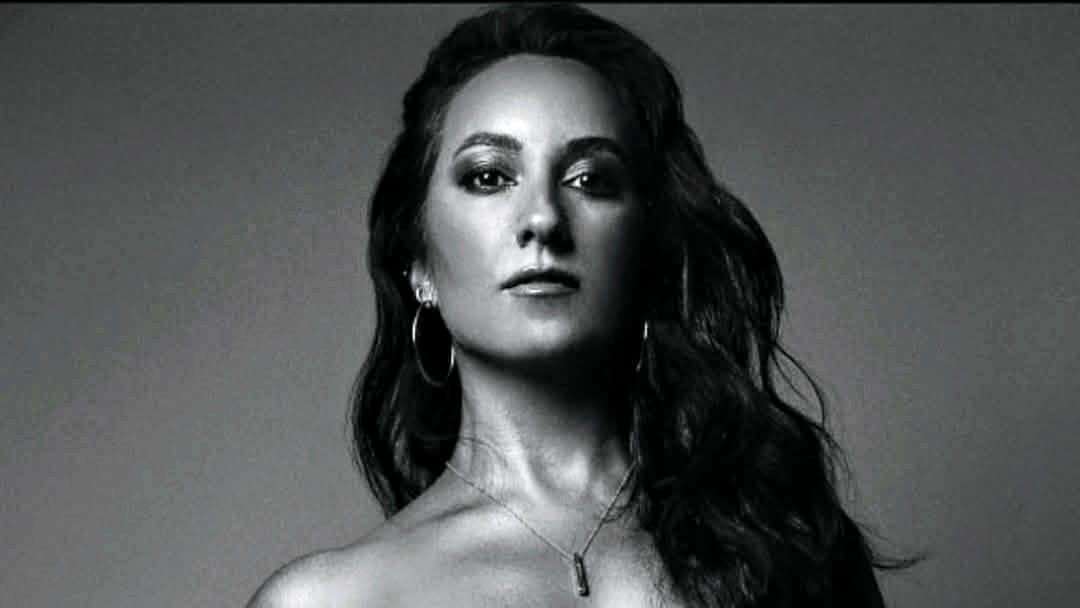
The inquest into the death of Britain’s Got Talent star Kerri-Anne Donaldson has entered a pivotal stage at Winchester Crown Court, exposing a lethal gap between police risk assessments and medical reality. While the public focus previously rested on the nature of the "child sex offending" allegations, today’s testimony centered on a staggering admission: Hampshire Constabulary graded Donaldson’s risk as "standard" despite a complainant’s explicit warning that she would take her own life if the allegations surfaced. This critical oversight occurred just days before the 38-year-old was found dead, raising urgent questions about how the justice system monitors the mental health of high-profile suspects.
A Professional Mask and a Silent Crisis
Detective Constable Benjamin Harris admitted to the court that "with the benefit of hindsight," he should have included the complainant's suicide warning in his formal risk assessment. He noted that while Donaldson appeared "calm and normal" in her cell, she was effectively wearing a mask to hide a spiraling crisis. In sharp contrast to the police "standard" grading, psychiatric liaison nurse Serina Juru testified that she had rated Donaldson as a "10 out of 10" risk—the highest possible level—shortly after her initial overdose at a Travelodge. The court is now examining why these two vastly different assessments never reconciled to prevent her discharge.
The Heartbreaking "Safe" Facade
New evidence regarding Donaldson's final night reveals the depth of her resolve to protect her family from the trauma of her discovery. Her sister, Cara Donaldson, testified that Kerri-Anne was released from the hospital without any formal care plan or guidance for the family. Despite the previous maximum-risk rating, Kerri-Anne reassured her sister with jokes and a final text message featuring a heart emoji, saying, "Thanks for everything today." This calculated reassurance led Cara to leave her sister alone for the night, only to return the next morning to the note that read, "Call 999, don't come in. I'm sorry."
Future Directions: Accountability and Reform
The inquiry has shifted its focus to the "information silo" created by Detective Chief Superintendent Sarah McCollen's decision to withhold specific details of the allegations from medical staff to protect the investigation. As the four-day inquest moves forward, legal experts expect the coroner, Jason Pegg, to scrutinize the "dynamic process" of risk assessment that allowed a woman in an "acute adjustment reaction" to slip through the cracks. The verdict, expected later this week, will likely address whether systemic communication failures between the police and the NHS directly contributed to the loss of the talented choreographer.


.jpg)