





.jpg)
.svg)
In a verdict that is reverberating through Singapore's tightly controlled civic sphere, three women who organised a peaceful march in support of Palestine were acquitted earlier this month, delivering a stunning blow to the nation's notoriously strict regulations on public assembly. For Siti Amirah Mohamed Asrori, Kokila Annamalai, and Mossammad Sobikun Nahar, the ruling was not just a personal victory but a potential turning point for a society where dissent is often met with swift legal action. The women were prepared for the near-certainty of a guilty verdict, given Singapore's staggering 97 per cent conviction rate in court cases and its low tolerance for activism, an outcome that could have resulted in up to six months in jail and a S$10,000 fine.
The Courtroom Standoff: A Technicality That Upheld Justice
The activists were charged under Singapore’s stringent Public Order Act for organising an "illegal procession" after leading approximately 70 people in a peaceful walk in February 2024. Their aim was a powerful gesture of defiance: to deliver letters to the President’s office demanding that Singapore reassess its diplomatic and economic ties with Israel over the devastating war in Gaza. At the time, health officials reported that more than 69,000 Palestinians had been killed in the conflict, a stark tragedy that compelled the women to act. Singapore, a nation with a significant ethnic Malay-Muslim population yet close ties with Israel, found the issue to be acutely sensitive, intensifying the public interest in the trial.
In a dramatic twist on October 21st, Judge John Ng sensationaly acquitted the trio. While the prosecution argued the route was illegal for passing near the external perimeter of the Istana, Singapore’s presidential palace, the defence prevailed on a crucial technicality. Judge Ng noted that no signs identified the area as prohibited, and the prosecution failed to prove that the women knew they were committing an illegal act. As Annamalai, 37, expressed to The Independent, the surreal moment was tinged with the knowledge that the legal argument over technicalities overshadowed the deep moral imperative of their solidarity with the Palestinian people, who are currently facing immense humiliation and suffering.
The Power of Defiance: Standing with Palestine
This legal battle transcended mere court proceedings; it became a potent statement of unwavering solidarity. The women felt a moral and political compulsion to act, describing Singapore's continued friendship with Israel, amid a UN probe citing actions in Gaza as potential genocide, as "nauseating and enraging." For the youngest activist, 26-year-old Nahar, the action stemmed from an innate sense of responsibility to the world and the suffering people in Gaza, born from a conviction that "What’s necessary to be done needs to get done."
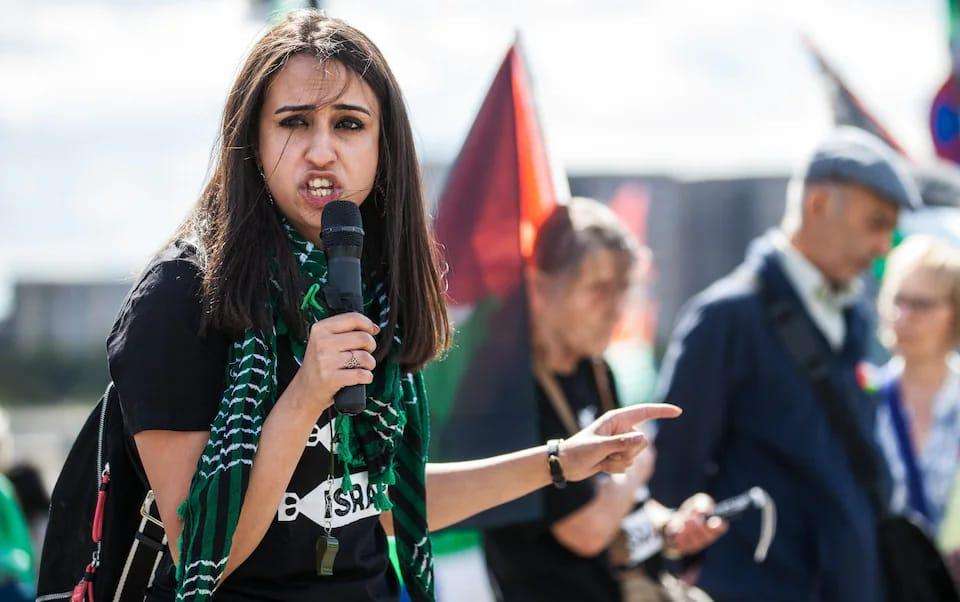
Throughout the trial, the activists leveraged their presence to keep the focus on their core cause. They made an implicit but powerful statement by choosing to wear the colours of the Palestinian flag and keffiyeh shawls in the courtroom. This sartorial defiance, captured by the media, became the only voice they had to demonstrate their principled resistance, turning their clothing into an essential part of the protest. Annamalai observed that the public's widespread support and "cheering for defiance" validated their strategy to challenge authority rather than perpetually appeal to those in power, a habit long entrenched in Singapore's civil society.
A Quiet Transformation for Singapore's Civil Future
This narrow yet symbolic victory is already being hailed on social media as a crack in Singapore's rigid system, proving that dissent need not always lead to punishment. The activists view their acquittal as a significant step towards normalising resistance and building a culture where the masses feel empowered to mobilise. This case signifies more than a legal precedent; it is a validation of collective courage over fear, inspiring younger Singaporeans and human rights advocates to embrace peaceful resistance as a meaningful path for change. The three women stood firm in their beliefs, their actions serving as a powerful reminder that fighting against a seemingly stacked system can, indeed, lead to a transformative win.