


.svg)
Eleven teenagers now linked to Zeshan Afzal murder as 13-year-old suspect faces CPS charging decision tomorrow—a community stares into the mirror.
The Boy Who Didn't Make It Home For Suhoor
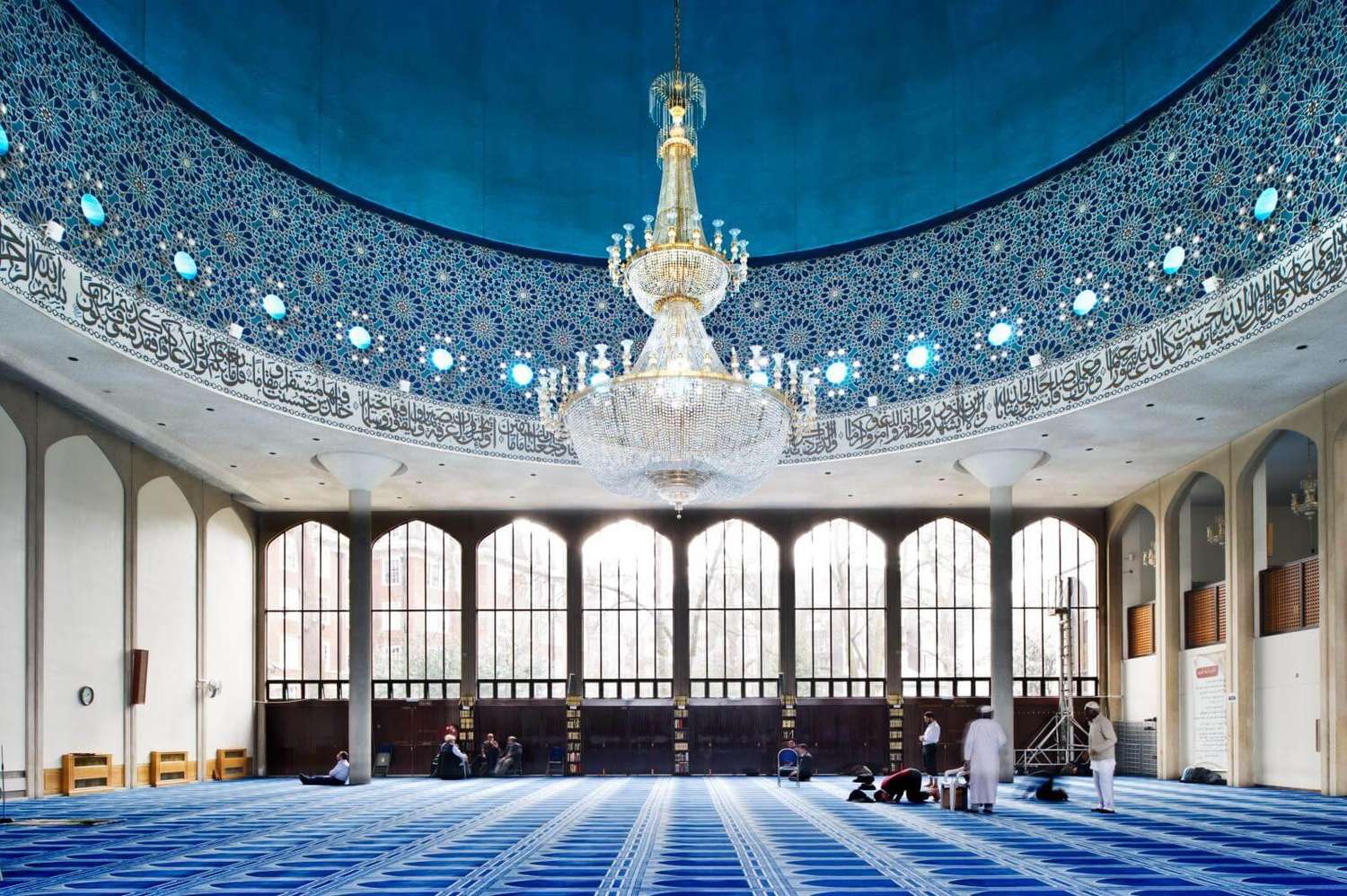
The saffron glow of the mosque lights still illuminates Oldbury Road each night as worshippers emerge from Taraweeh prayers, their spirits elevated after hours of worship. But inside one Smethwick home tonight, a mother prepares Suhoor for a son who isn't there. He is not fasting. He is thirteen years old, and he is sitting in a police cell.
Read More: 13-Year-Old Arrested in Zeshan Afzal Murder as Seventh Teenager Hits Court
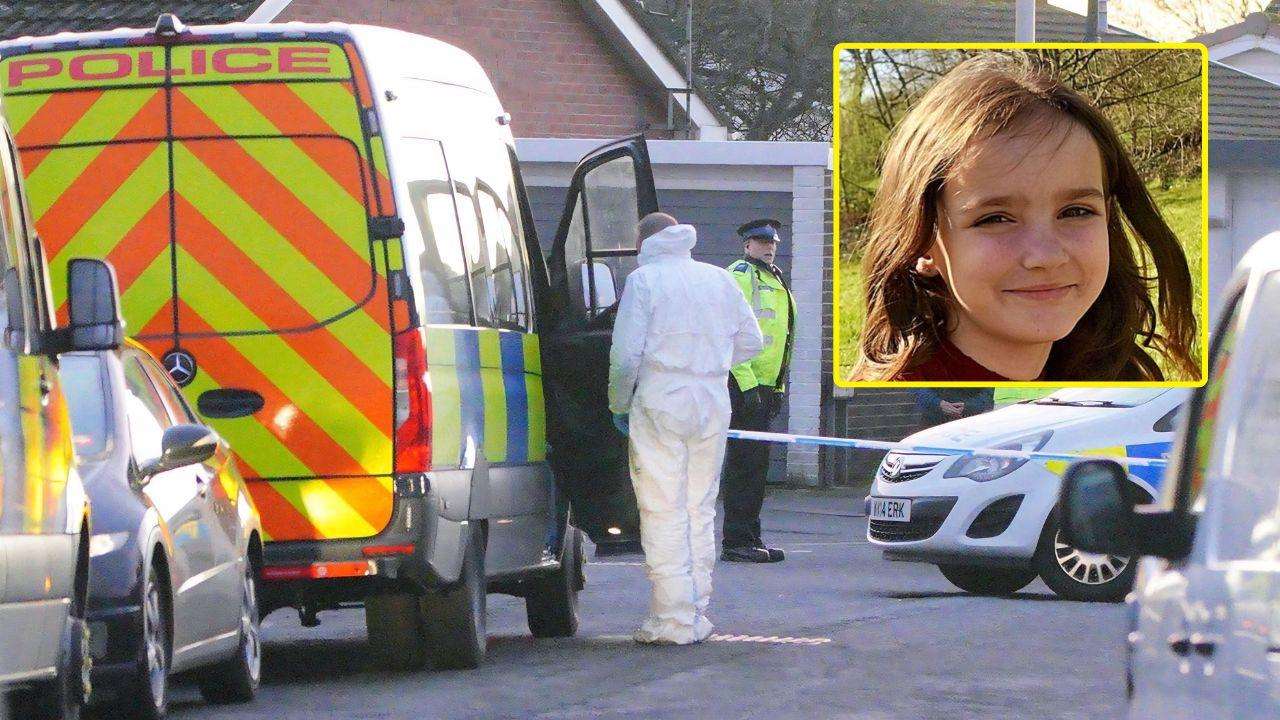
At precisely 9:15 PM tonight, the enormity of what unfolded outside Jamia Masjid on February 20 reached a new milestone. Three more teenagers—a 13-year-old boy and two 17-year-old boys—were arrested this morning on suspicion of murder, bringing the total number of individuals now linked to Zeshan Afzal's death to eleven.
The 13-year-old, whose identity cannot be revealed for legal reasons, now sits at the centre of a Crown Prosecution Service overnight review that will determine whether he appears in the dock tomorrow morning or walks out of custody. The decision window, governed by PACE regulations, closes at 9 AM Thursday, March 12.
What The Police Haven't Told You
While West Midlands Police confirmed the arrest statistics, what remains unpublished is the exact nature of this child's alleged involvement. Investigators are understood to be scrutinising CCTV footage showing movements in the mosque car park during the disorder, cross-referencing with mobile phone data to establish whether the 13-year-old was present at the moment of the stabbing or played a secondary role.
Sources close to the investigation indicate that detectives have been working through statements from the 200 worshippers present that night, many of whom remained inside the mosque during a precautionary lockdown while paramedics fought to save Zeshan's life in the car park.
The 17-year-old charged yesterday appeared before Birmingham Magistrates Court today and was remanded in custody. He joins six other teenagers already charged, making seven formally before the courts. The two additional 17-year-olds arrested this morning remain in custody alongside the 13-year-old, awaiting charging decisions.
Was He Going To Pray?
The question demands clarity. Was the 13-year-old suspect heading to the mosque for Taraweeh, the special Ramadan night prayers that Zeshan Afzal had just attended when he was killed?
Verified information confirms the 13-year-old is from the local area and is, like the vast majority of residents in that Smethwick neighbourhood, of British Pakistani heritage and Muslim faith. However, there is no verified information establishing that he was at the mosque to pray that night. To assume so would be speculative. What is verified is that Zeshan Afzal had just completed his prayers. Worshippers at the mosque have confirmed that the service had finished shortly before the disorder erupted in the car park at just before 9pm.
What we do know with certainty is that eleven teenagers are now implicated in the death of a young man described by his family as "a light in our lives" who was "saving up to go on his Hajj pilgrimage." Zeshan's GoFundMe page, established as sadaqah jariyah—ongoing charity—has now raised nearly £11,000.
The Tomorrow Morning Scenario
At 8 AM tomorrow, court dockets will be checked. If the 13-year-old is charged overnight, he will appear on the Wolverhampton or Birmingham Youth Court docket. If police require more evidence but deem detention necessary, they must apply to a magistrate for a Warrant of Further Detention, extending custody beyond 24 hours.
The seventh defendant, the 17-year-old charged yesterday, is now in the youth detention system following his court appearance today. The investigation has expanded exponentially since the first arrests weeks ago, when three teenagers were initially charged.
How Ramadan Became A Reckoning
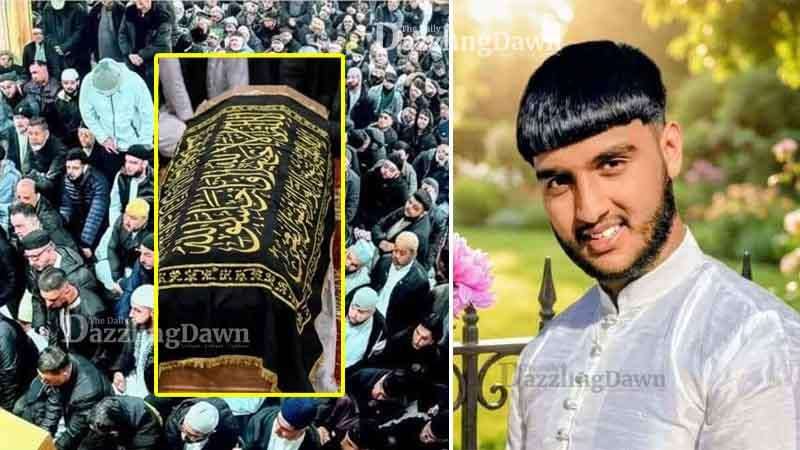
The sacred month had barely begun when Zeshan Afzal's blood stained the tarmac where worshippers park their cars. He had attended Friday night prayers at the Jamia Masjid ahead of the end of the day's fasting when he was attacked in the enclosed car park. Within hours, he was gone.
For British Muslim communities across the West Midlands, this Ramadan has become something unexpected: a mirror. The sight of a 13-year-old boy processed through the criminal justice system while the community fasts and prays has forced conversations that families previously avoided.
"This is not someone else's problem anymore," said a community elder who asked not to be named, speaking outside the mosque yesterday. "We look at these boys, and we see our own sons. We see the children who sat in our madrasahs, who broke fast in our homes. Something has gone terribly wrong."
The shock is compounded by the numbers. Eleven teenagers. Seven charged. One thirteen. The scale defies comprehension, yet the statistics reflect a broader crisis. West Midlands Police have recorded rising knife crime incidents involving youths, but this case has concentrated the issue into a single devastating focal point.
Why Our Children Are Carrying Knives
Community leaders point to a convergence of factors that have created a perfect storm. Social media posturing escalates disputes that previous generations would have talked through. Postcode rivalries, amplified online, spill into real-world violence. Young people carry knives not because they want to use them, but because they fear encountering someone else who will.
"The tragedy is that these are not monsters," one youth worker explained. "These are children who have absorbed a culture where respect is measured by fear, where weakness cannot be shown, where carrying a blade feels like carrying insurance."
The mosque setting adds a dimension of spiritual violation. Zeshan Afzal was attacked in the car park of a place of worship, moments after engaging in the most sacred ritual of the Islamic calendar. A worshipper present that night described the scene: "My son came outside at about 9.10 and the ambulance and police were already here." Yet knives came. And a young man with a pure heart, who was described by friends as a "good kid" who attended the mosque, bled to death in that car park.
The Self-Realisation The Community Now Faces
In the weeks since February 20, a slow, painful recognition has dawned. The perpetrators are not outsiders. They are not a different community. They are British Muslim teenagers, from British Muslim families, living in British Muslim neighbourhoods.
The 13-year-old in custody tonight is somebody's son. Somebody's brother. Somebody's neighbour. He is also, according to the police investigation, allegedly involved in the killing of another mother's son.
This is the unbearable truth that Smethwick, and communities like it across Britain, must now confront. The protection of children—all children—requires acknowledging uncomfortable realities. It requires asking what drives a 13-year-old to a murder scene. It requires examining whether community institutions are reaching the young people who need them most.
A mosque committee member, speaking privately, admitted: "We have focused on the elderly, on the established families, on those who come regularly. But the boys on the margins, the ones who drift away after their madrasah years, we have lost contact with them. And when they are lost, they find each other."
The Unanswered Questions Tomorrow May Bring
As the Crown Prosecution Service reviews evidence overnight, the Afzal family waits. They have conducted themselves with dignity throughout, their fundraiser statement reflecting not anger but faith: "To lose him during Ramadan has been an indescribable pain. We are raising funds in his name to serve as sadaqah jariyah — a source of continuous reward for him in his grave and a means of light for him in the hereafter."
The court proceedings tomorrow will determine the immediate fate of the 13-year-old, but the longer questions remain unanswered. How did eleven teenagers become entangled in a single death? What happened in that car park that required the presence of so many young people? And what happens to the community that must now live with the knowledge that its children killed one of its own?
Detective Inspector Ade George of West Midlands Police homicide unit has consistently emphasised that this remains a very active investigation. The appeal for information continues, with police urging anyone with footage or knowledge to come forward via 101, quoting log number 4896 of 20 February.
The Dawn Before The Decision
Tonight, as the 13-year-old sits in custody, the first fast of his life or the fast of his family continues. Tomorrow morning, before many worshippers break their fast, the charging decision will be announced.
Whatever the outcome, the image of a child in a police cell during Ramadan will linger. It will sit alongside the image of Zeshan Afzal, 18 years old, devoted to Allah, saving for Hajj, killed in the car park where he had just prayed.
The community that mourns him must now also ask itself the hardest question: what does it owe to the children who did this? The answer, uncomfortable as it may be, will determine whether this tragedy becomes a turning point or merely a statistic.
The court doors open at 9 AM.