




.svg)
Public Outcry and Professional Frustration- The atmosphere among UK criminal lawyers has shifted from professional concern to palpable anger. Public opinion is increasingly polarized, with many viewing the "efficiency" argument as a smokescreen for underfunding. Critics argue that the government is treating the courts like a conveyor belt rather than a hall of justice. The frustration stems from a system already at a breaking point, where lawyers feel they are being forced to choose between a "fast" trial without a jury and a "fair" trial that may not happen for years.
Systemic Failures and Minority Communities- Beyond the trial curbs, the legal profession is facing intense scrutiny regarding the quality of representation for the UK’s most vulnerable. Data from the Ministry of Justice and independent monitoring groups highlight a troubling trend of perceived negligence and systemic abuse within the justice process, particularly affecting ethnic minority communities.
Disproportionate Outcomes: Statistics show that Black and Asian defendants are significantly more likely to be remanded in custody for triable-under-jury offenses compared to their white counterparts.
The Representation Gap: Reports indicate that defendants from ethnic minority backgrounds are 15% less likely to receive early, high-quality legal advice, often leading to "automated" plea deals that bypass the jury system entirely.
Trust Deficit: Surveys within the legal sector suggest that 60% of practitioners from minority backgrounds believe the current system—and the proposed reforms—will exacerbate "institutional negligence," where cases are rushed through without due diligence, leading to a higher rate of wrongful convictions in marginalized postcodes.
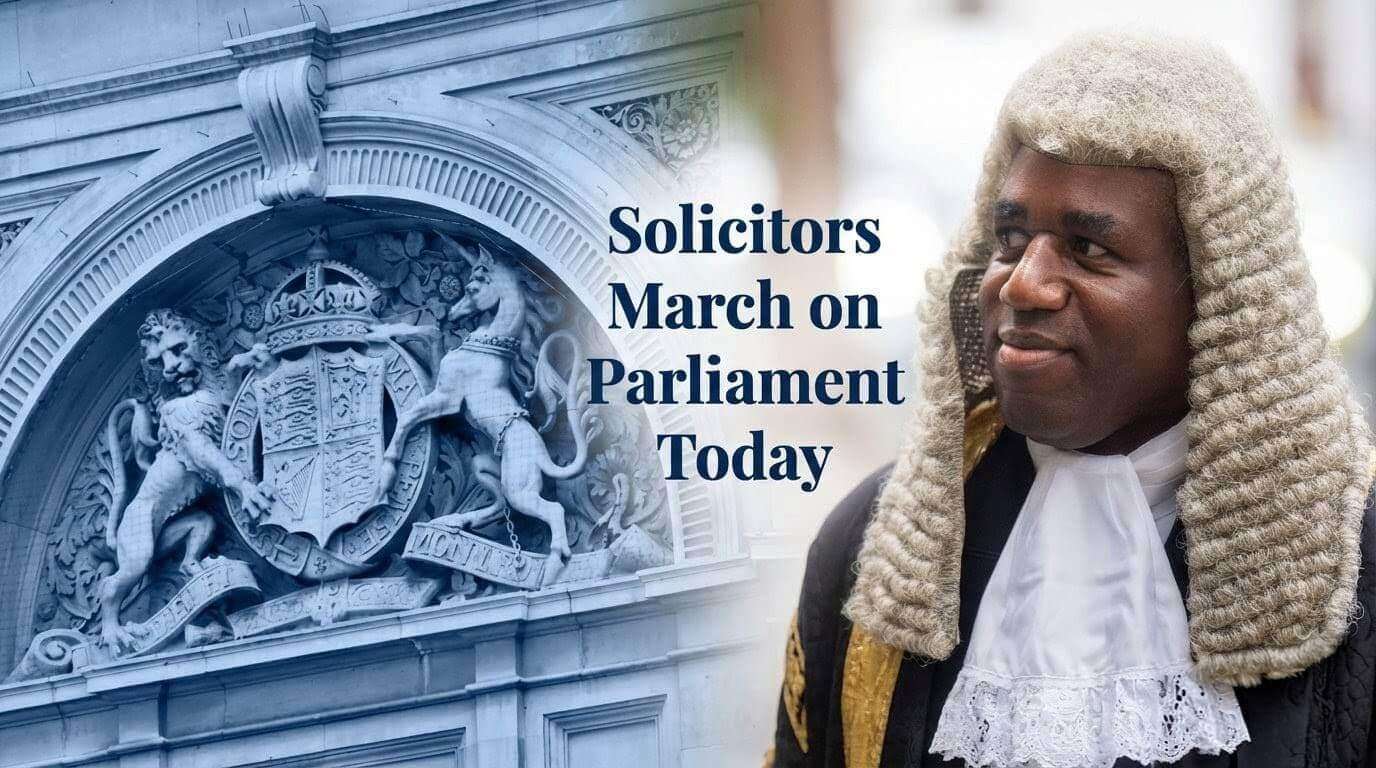
Road Ahead for the Bill-The march today is more than a protest; it is a signal to the High Court that the legal profession is prepared to litigate every inch of this legislation. With MPs facing intense lobbying, the government’s majority will be tested by backbenchers concerned about the optics of removing jury rights during a cost-of-living and trust crisis. If the Bill passes its second reading today without significant amendments, the London Criminal Courts Solicitors Association (LCCSA) has hinted at further disruptive action, potentially bringing the already backlogged court system to a complete standstill.