





.svg)
The Dutch healthcare system is facing a profound ethical crisis as the enforcement of face-covering bans creates a legal barrier between Muslim women and essential medical services, Daily Dazzling Dawn realised.
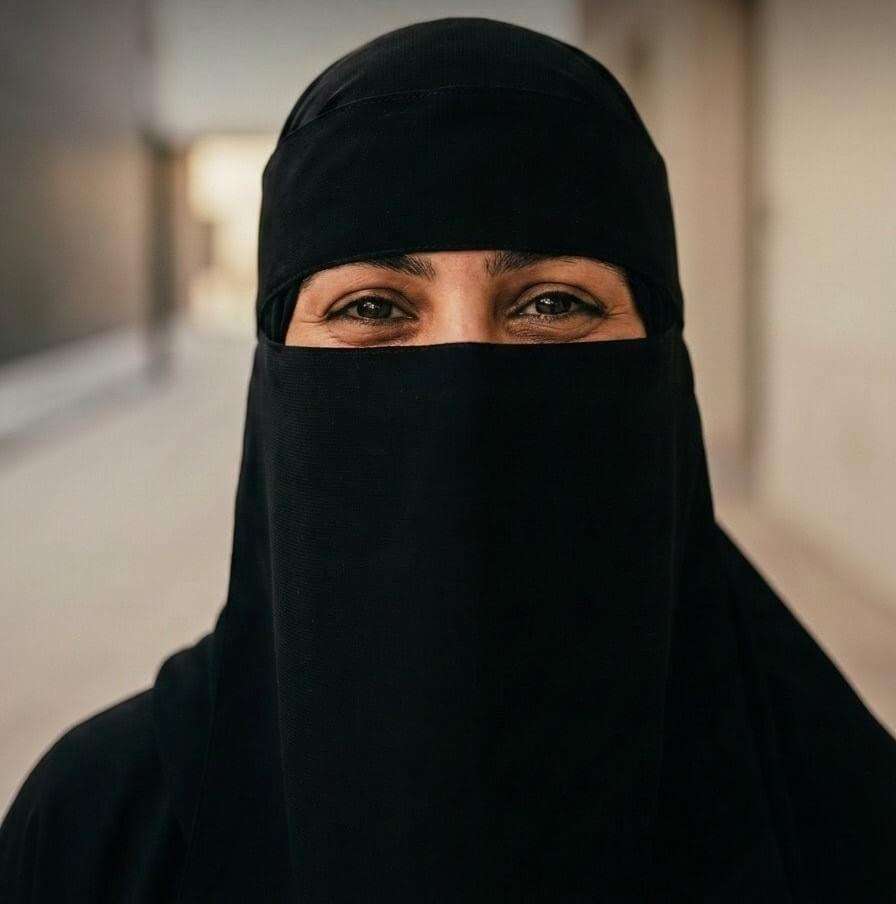
In a landscape where human rights are often championed, a quiet but firm exclusion is taking place within the walls of Dutch hospitals. The "Partial Ban on Face-Covering Clothing," which became law in August 2019 after nearly twenty years of political campaigning by Geert Wilders and the Party for Freedom (PVV), has effectively turned the hospital lobby into a site of constitutional conflict. While framed as a "religion-neutral" safety measure that also includes helmets and ski masks, the law specifically mandates that any woman wearing a burqa or niqab must uncover her face to enter healthcare facilities or face a €150 fine.
This policy forces a devastating ultimatum: sacrifice your religious identity or forfeit your right to healthcare. While some medical professionals have signaled they will prioritize the oath of treatment over the letter of the law, the legal obligation remains, creating a culture of fear and exclusion for women who view their attire as an inseparable part of their human dignity and faith.
The Netherlands is now a central pillar in a tightening network of restrictions across Europe. In 2026, the continent is seeing an unprecedented wave of similar legislation. Switzerland recently implemented its nationwide "anti-burka" law on January 1st, 2025, following a narrow 51.2% referendum vote, with fines reaching up to 1,000 Swiss francs. Portugal has followed suit with its 2025 legislation, proposed by the right-wing Chega party, which imposes massive fines of up to €4,000 for wearing face veils in public for "religious motives." Meanwhile, in Italy, the ruling party introduced a nationwide bill in late 2025 to combat "Islamic separatism," proposing fines up to €3,000 and even prison sentences for those who coerce women into wearing face coverings.
The situation in the Netherlands is also escalating beyond the hospital and the classroom. As of February 2026, the Dutch government is moving forward with a new proposal to ban face coverings specifically during public demonstrations. This development adds a new layer of marginalization; not only is a woman's access to health restricted, but her very ability to protest against these restrictions is being legally stripped away. If she chooses to attend a rally in her niqab to fight for her rights, she now risks a fine of over €5,000 or a two-month prison sentence.
As these laws move from the fringes of political debate into the daily reality of medical waiting rooms and city streets, the core question remains: how can a society claim to protect "neutrality" while actively removing the most vulnerable from its public services? For the women affected, the outfit they wear is not a security threat—it is a fundamental human right.






.jpg)