

.jpg)


.svg)
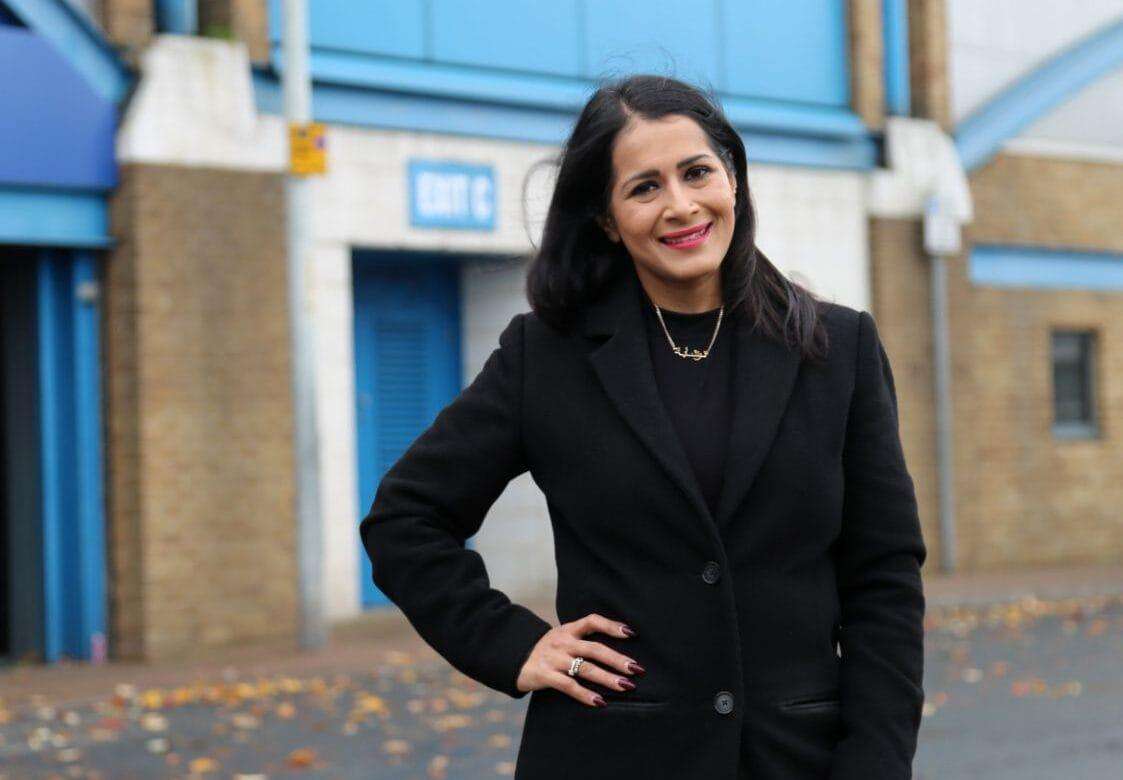
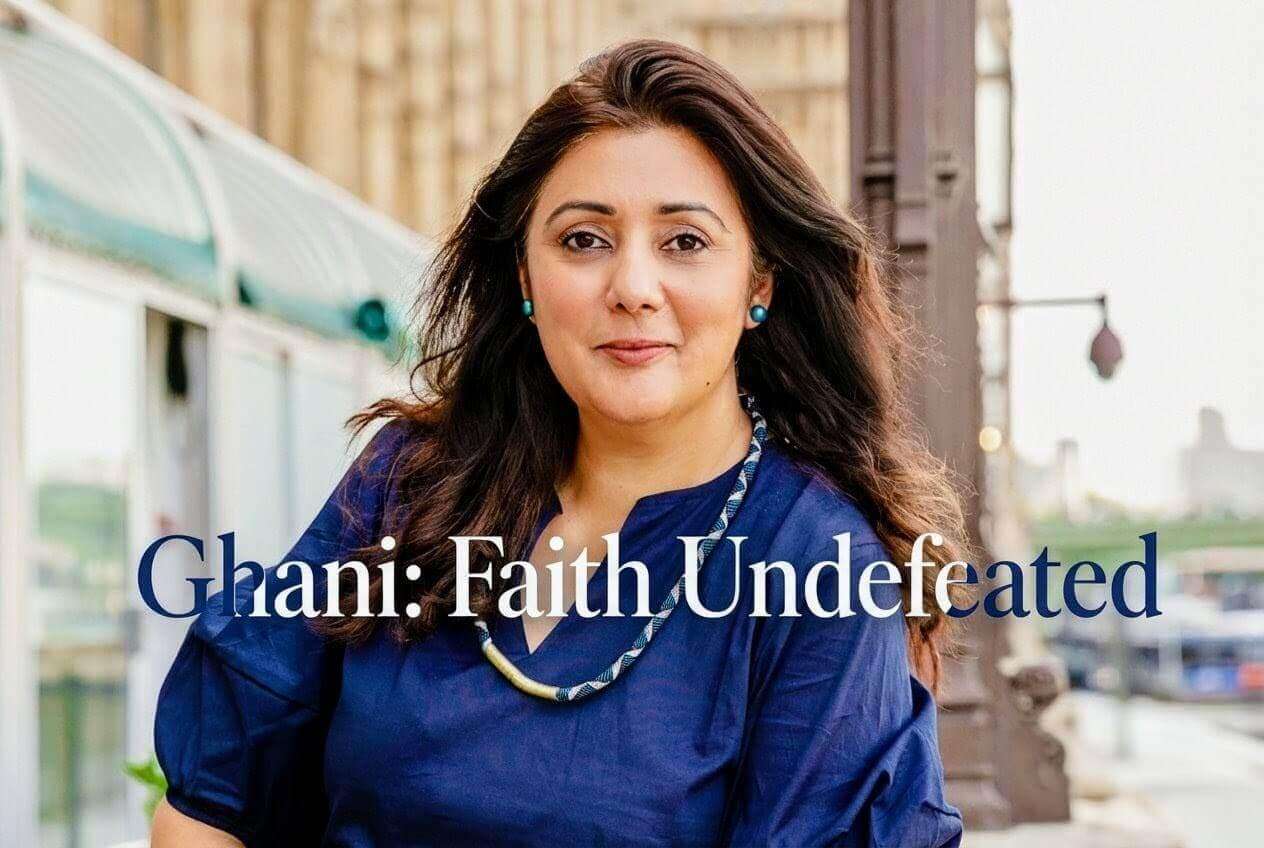
A senior MP’s journey from a shoeless arrival in the UK to confronting faith-based bias in the halls of power.Nusrat Munir Ul-Ghani is redefining the narrative of Muslim leadership in Britain by transforming a "power imbalance" into a catalyst for institutional reform, Daily Dazzling Dawn understand.
Born in 1972 in Dadyal, Pakistan-administered Kashmir, Nus Ghani arrived in the UK as a baby with "no shoes on her feet" after surviving a life-threatening illness. Growing up in a working-class Pakistani family in Birmingham, she was the daughter of an Imam and the first woman in her family to be formally educated, eventually earning a Master’s degree in International Relations. Her background is one of extreme resilience; she successfully resisted community pressures to leave school at 14 and marry as a teenager, instead carving out a path as a banker and BBC World Service professional before becoming the first female Muslim Conservative MP in 2015.
The current focus of Ghani’s political career has shifted from her historic "firsts" to a stark confrontation with the "abhorrent" discrimination she faced within her own party. She has revealed that her faith was weaponized against her, citing a 2020 dismissal where she was told her "Muslimness" was making colleagues "uncomfortable." For Ghani, this experience was not an isolated incident but a reflection of a deeper intersectional crisis of Islamophobia and misogyny that targets Muslim women in public life. She now frames her survival in Westminster not just as a personal victory, but as a necessary occupation of space to prevent future colleagues from being "othered" by those in power.
Looking ahead, Ghani is focusing on the legislative and cultural pipeline of British democracy. She has sounded the alarm on the "chilling effect" current hostility has on young Muslims, sharing stories of students who are deterred from public service by the racist abuse they see online. Her next steps involve leveraging her senior role as Deputy Speaker—the first woman of color to hold the position—to safeguard the rights of all MPs to serve without intimidation. By refusing to be pushed out, she is signaling a bid to shift the power dynamics of SW1, ensuring that the working-class and minority voices she represents are no longer treated as "uncomfortable" outliers but as essential pillars of the government.