





.svg)
The escalation of hostilities between the United States, Israel, and Iran has triggered a fundamental recalculation of British prosperity as supply chain fractures meet a shifting fiscal landscape.
The Grocery Gap and Vanishing Imports
British supermarket shelves are increasingly mirroring the geopolitical tension in the Eastern Mediterranean as logistics routes face heightened insurance premiums and rerouting delays. The most immediate impact is concentrated in the fresh produce sector, specifically for items that rely on high-speed transit from regional hubs. Consumers are seeing a thinning supply of vine tomatoes, peppers, and citrus fruits traditionally sourced from North African and Levantine proximity. Beyond fresh fruit, specific categories like chickpeas, lentils, and sesame-based products—essential to the UK’s plant-based food sectors—are facing reduced availability as processing plants in the conflict zone scale back operations. Specialist oils and stone fruits have seen a significant import drop over the last thirty days, forcing retailers to lean on more expensive domestic or European greenhouse alternatives.
The Hidden Surcharge on the British Dinner Plate
The financial strain on households is becoming visible at the checkout till as "food-at-war" inflation targets specific staples. The price of vegetable oils and grain-based products has ticked upward as global markets price in the risk of a wider regional blockade. Meat prices are also under indirect pressure due to the surging cost of fertilizers and animal feed components that transit through the Suez Canal. Recent estimates suggest the average weekly shop for a family of four has risen by approximately £12 since the peak of recent tensions. This figure remains highly sensitive to the status of the Strait of Hormuz; a partial long-term closure would likely double this surcharge as shipping companies continue to opt for the longer, more expensive route around the Cape of Good Hope.
Energy Markets and the $100 Barrel Threat
The UK energy landscape is currently a battleground between geopolitical shocks and domestic policy. While initial fears predicted an immediate energy collapse, Ofgem confirmed that the energy price cap will actually fall to £1,641 on April 1, 2026, bolstered by the government’s move to shift green levies to general taxation. However, these domestic savings are being threatened by global volatility. Brent Crude spiked to $92.69 on March 6 following the latest escalation. While petrol prices at the pump remain relatively stable for now, a prolonged conflict could push crude past $100, potentially driving pump prices toward 170p per litre by summer. Natural gas futures have doubled since the start of recent strikes, but high European storage levels have so far prevented a return to the emergency subsidies of 2022.
The National Ledger and the £24bn Buffer
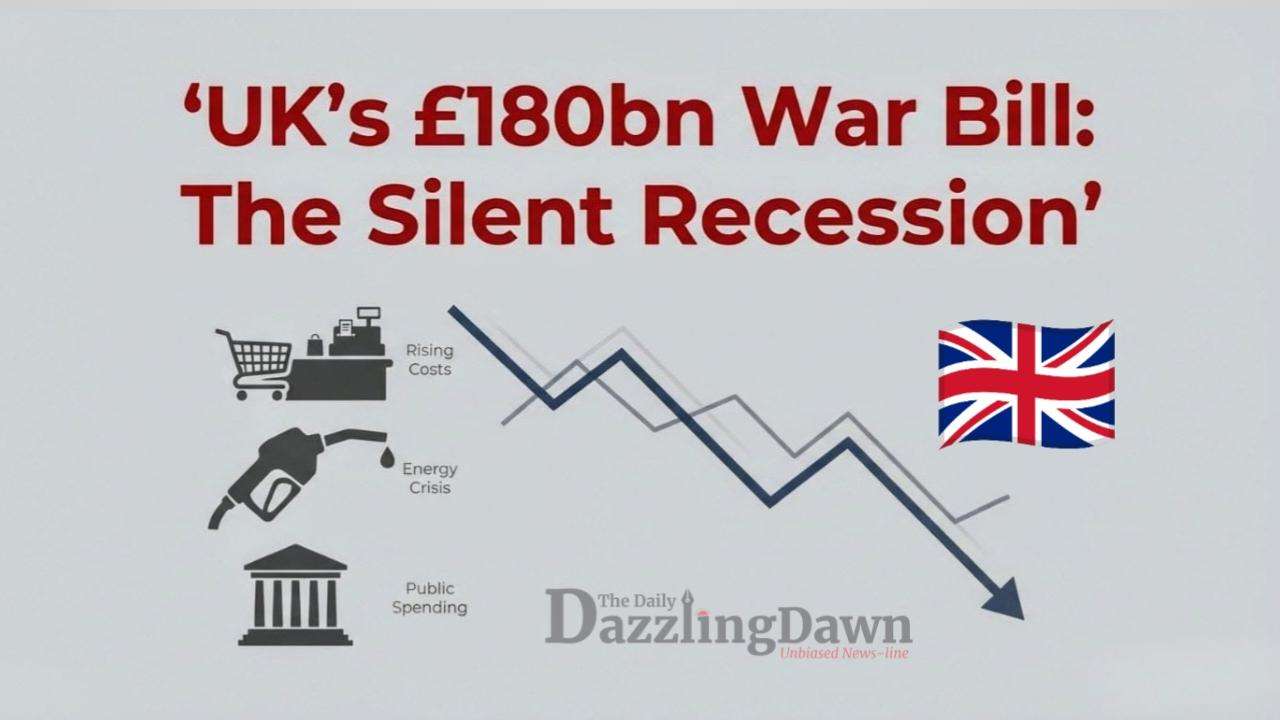
The total impact of the US-Israel-Iran friction is currently measured in heightened market sensitivity rather than a total fiscal hole. Contrary to earlier fears of a collapse, the Office for Budget Responsibility reported in the March 3, 2026, Spring Forecast that public borrowing is actually down by £18bn compared to Autumn projections. Chancellor Rachel Reeves has successfully increased the "fiscal headroom" to £24bn, providing a necessary cushion against global shocks. Despite this, a "war tax" remains a looming threat: independent analysts warn that if the conflict triggers a sustained regional blockade, the UK could face an additional £3bn per month in debt interest alone as global yields rise. GDP growth for 2026 is currently forecast at a modest 1.1%, a figure that remains highly vulnerable to further escalation.
The High Cost of the Next Thirty Days
The UK is not currently in a technical recession, but the Bank of England remains on high alert. The Base Rate was held at 3.75% in February, avoiding the 5.5% peak feared in worst-case scenarios. However, the next thirty days are critical. If shipping lanes remain restricted and oil sustains its position above $90, the Bank may be forced to pause planned rate cuts, keeping mortgage costs higher for longer for millions of UK households. In a "Stagflation 2.0" downside scenario, the average earner could see their disposable income reduced by £1,700 annually through a combination of fiscal drag and the rising cost of imported goods. The resilience of the 2025 recovery has been traded for a defensive crouch as the UK manages a permanent state of global risk.