






.svg)
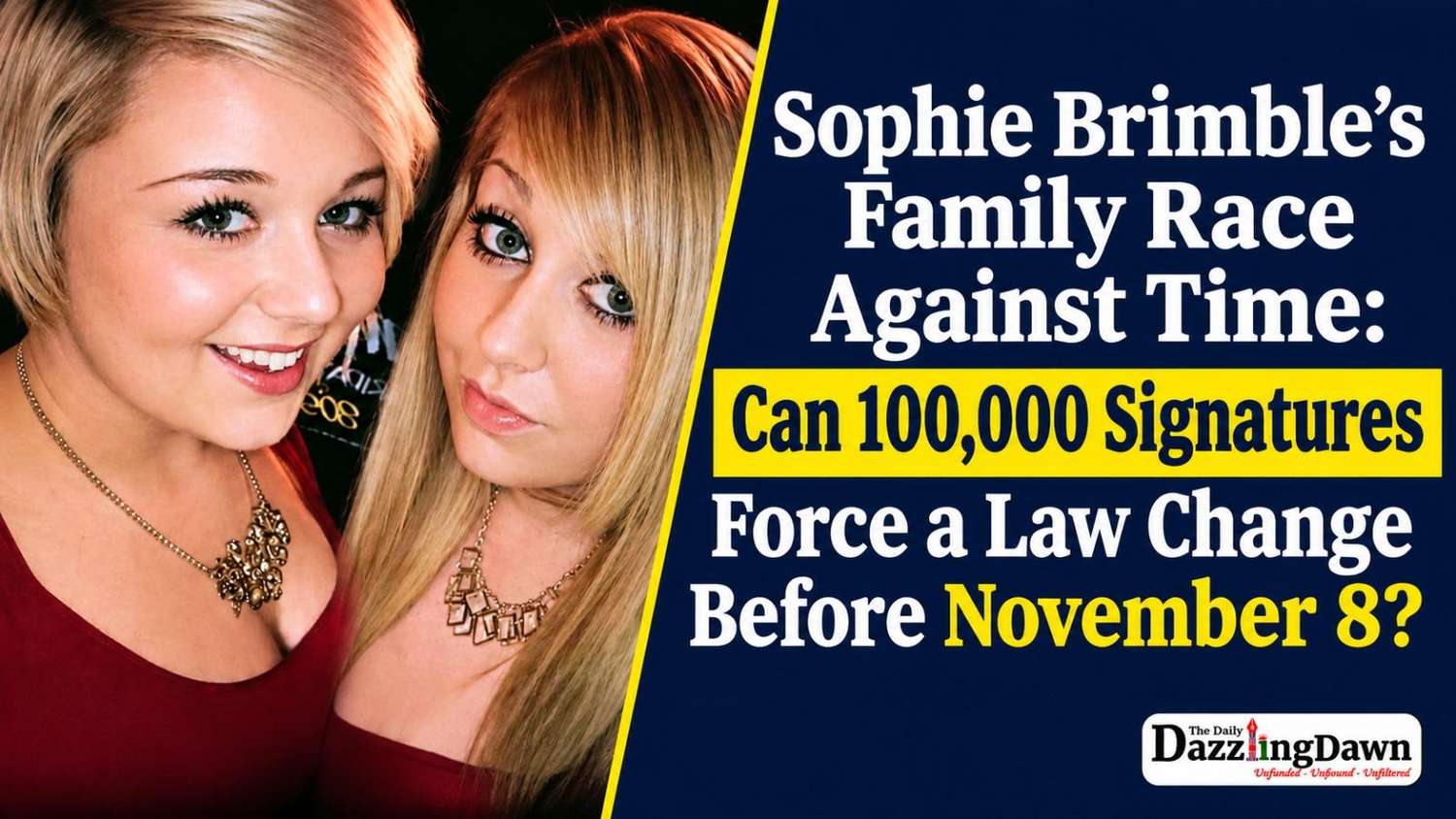
The family of Sophie Brimble, a 20-year-old woman killed in a high-speed street race in Blaenau Gwent, are in a final race against time to secure 100,000 signatures on their UK Parliament petition by 8 November, aiming to force a law change and a parliamentary debate on the legal framework for defendants found unfit to plead. The campaign, launched after Sophie's death in July 2017, seeks to reform a law the family believes denied them justice and left the public unprotected.
Sophie died after a Volkswagen Polo driven by her boyfriend, Jay Bayliss, crashed into a lamppost on residential streets between Ebbw Vale and Brynmawr. Newport Crown Court heard that the vehicle was involved in an "impromptu race" with another motorist, with an investigator estimating Bayliss's speed was close to 90mph shortly before the collision.
Bayliss was subsequently deemed unfit to stand trial because of injuries he sustained in the crash. Instead of an ordinary criminal trial, proceedings were held to determine whether he had committed the act alleged against him. Currently, where someone is found unfit to plead and is found to have committed the act alleged, the available outcomes are limited to a hospital order, a supervision order or an absolute discharge.
Sophie's sister, Aimee Coombes, has spoken publicly about the devastating impact of both the tragedy and the subsequent legal proceedings. She described Sophie as a "bubbly person" and "like my best friend as well as my sister." Daily Dazzling Dawn understands the family were left feeling that the courts lacked the appropriate powers to deal with a defendant in Bayliss's position, particularly measures aimed at public protection.
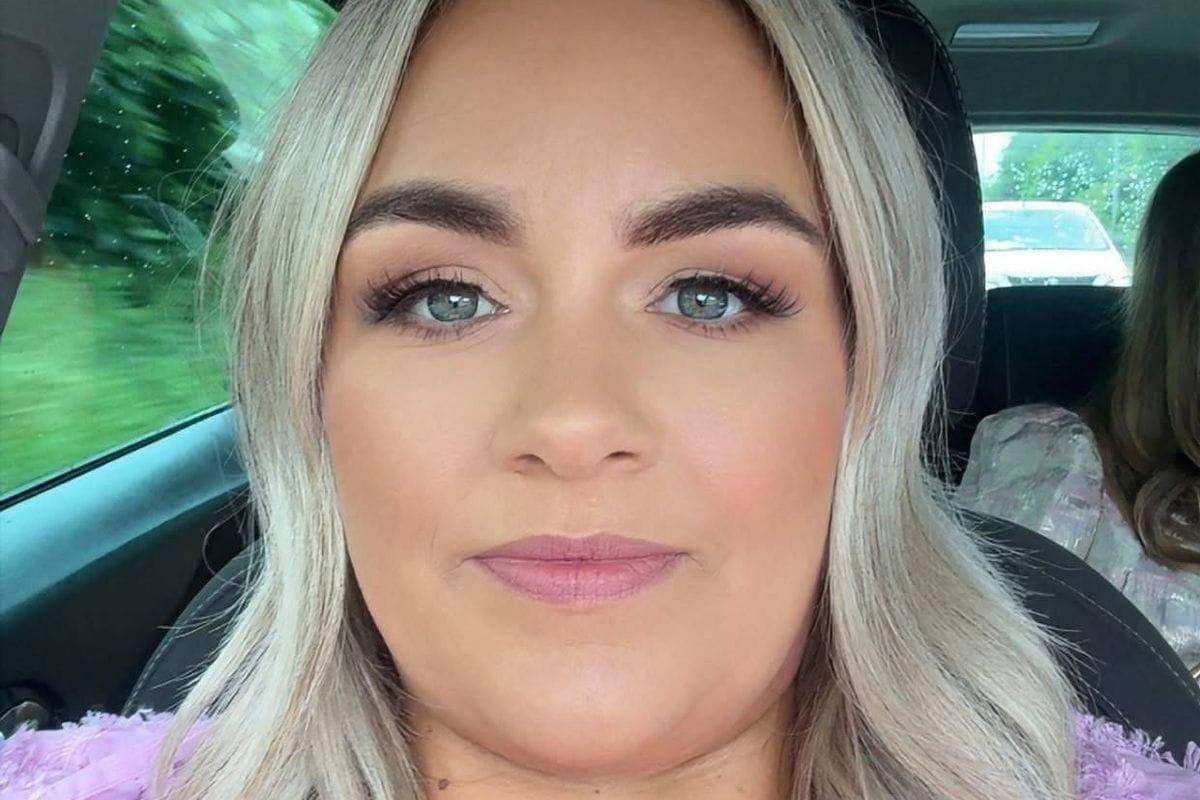
The petition, created by Bianca Francis, calls on the Government to review and reform the law on unfitness to plead, including the powers available to judges following a trial of facts. It specifically asks for public protection measures, such as driving bans, to be considered.
Having passed the 10,000-signature threshold, the petition has already prompted a response from the Ministry of Justice, which stated it agrees the law "needs updating" and is considering reforms, including giving courts a wider range of disposals and powers aimed at protecting victims and the wider public. The Government has said it has accepted the majority of recommendations previously made by the Law Commission and will consider whether courts should be given a "broader and more flexible" range of options.
However, for Sophie's family, the pace of reform is not fast enough. They are now in a final push to reach the 100,000 signatures required for the petition to be considered for a parliamentary debate before it closes on 8 November.
In an emotional appeal, Aimee Coombes said: "Losing Sophie was hard enough. Learning to live in a world without her is something no family should ever have to face. But the thought of Sophie never getting the justice she deserves is a pain that is impossible to explain."
She added a vow of resilience, stating: "Please don't mistake the petition coming to an end for me giving up the fight. It doesn't end here. If it takes months, I'll fight for months. If it takes years, I'll fight for years." She said the campaign had taken "so much time, energy and emotion" but promised to continue in her sister's memory, adding: "Her life mattered, her voice mattered, and her justice matters."
The campaign represents a significant challenge to a legal principle designed to protect vulnerable defendants but which can, in the view of victims' families, create a gap in the justice system. The Brimble family's fight is not just for their own closure but for a legal framework they believe would better serve victims and public safety in similar, tragic circumstances. With the petition closing on 8 November, the coming days will determine whether their campaign secures the parliamentary debate they so desperately seek.

.jpeg)

.jpg)

.jpg)