




.svg)
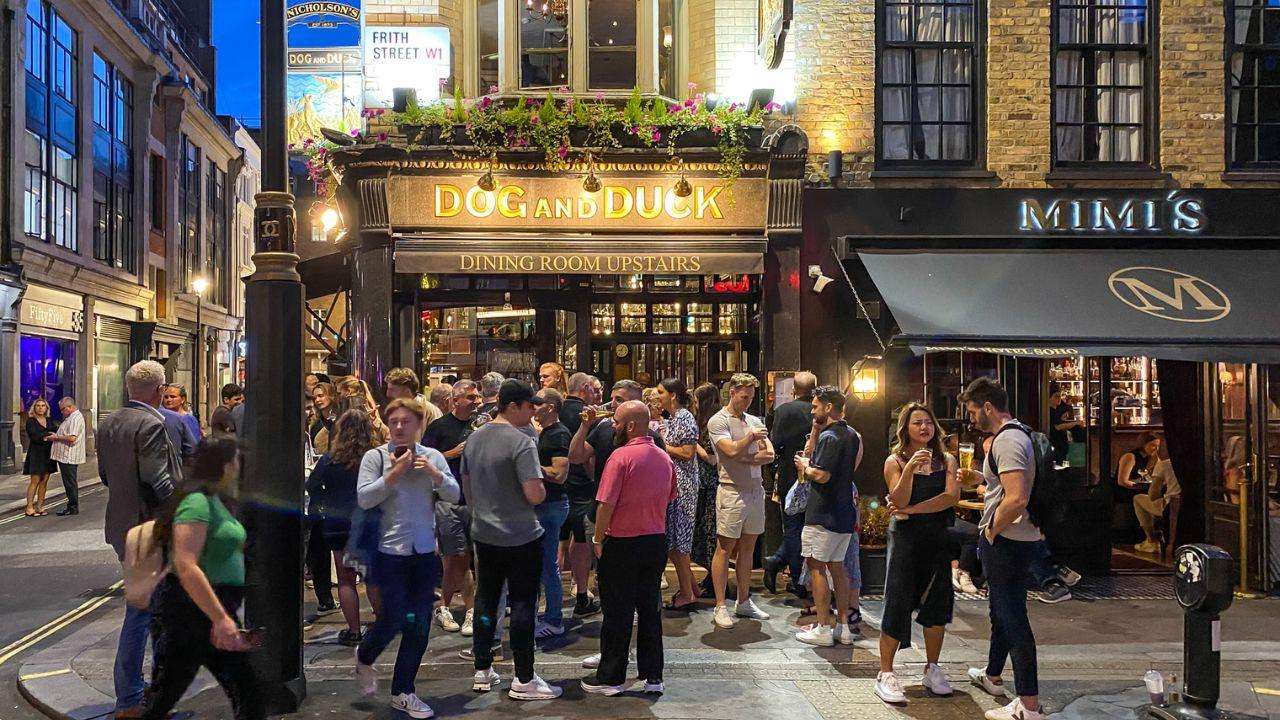
London is facing growing criticism over its restrictive licensing policies, with industry leaders warning that the capital's nightlife is being gradually "killed off" while cities such as Manchester, Birmingham, and Leeds enjoy a booming after-hours economy.
Many London boroughs enforce "core hours" policies that make it difficult for new pubs, bars, and restaurants to secure licences to operate late into the night. In areas once renowned for their vibrant nightlife, such as Hackney, Westminster, Camden, and Islington, venues often face automatic refusal if they seek to stay open beyond 11pm on weekdays or midnight at weekends.
Westminster, home to Soho and the West End, has some of the strictest regulations. Much of the area is designated as a "cumulative impact zone," meaning new alcohol licences are rarely granted unless applicants can demonstrate exceptional circumstances. Critics argue that these restrictions are limiting investment and reducing opportunities for businesses to serve late-night customers.
The debate comes as other major UK cities continue to embrace more flexible licensing arrangements. In Birmingham's popular Digbeth district, venues can operate until the early hours of the morning, with some establishments holding licences that extend to 5am. Business owners say local authorities work closely with operators to support a thriving nightlife economy while maintaining public safety.
Manchester and Liverpool have also gained reputations for their strong independent bar cultures and later opening hours. Venue owners in both cities report few obstacles when applying for extended licences and credit local councils for adopting a practical approach to regulation.
Nightlife operators in London argue that the capital is losing its competitive edge. Rupert Power, owner of Jack Solomons Club in Soho, says strict licensing limits prevent venues from benefiting from theatre crowds who often leave performances late in the evening. He notes that historic clubs in the area once operated until the early hours, attracting world-famous musicians and helping shape London's cultural identity.
Supporters of a more relaxed licensing framework argue that extended opening hours do not automatically lead to increased crime or disorder. Some police forces outside London have backed collaborative approaches with venue owners, focusing on safety measures rather than blanket restrictions.
The issue has attracted political attention, with London Mayor Sadiq Khan recently expressing concern about opposition to new hospitality venues in Soho. Later this year, the mayor is expected to receive additional powers from the government that could allow him to intervene in local licensing decisions in an effort to support the capital's struggling nightlife sector.
Industry figures believe London's future as a global nightlife destination depends on a significant shift in policy. They argue that while cities such as Manchester, Birmingham, and Leeds are expanding their night-time economies, London's increasingly restrictive approach risks driving businesses, investment, and visitors elsewhere.


.jpg)