




.svg)
London Mayor Rejects Parliamentary Route as Manchester Counterpart Sparks Leadership Speculation.
The window for regional leaders to transition seamlessly into national politics is rapidly narrowing. Following the recent passage of the English Devolution and Community.
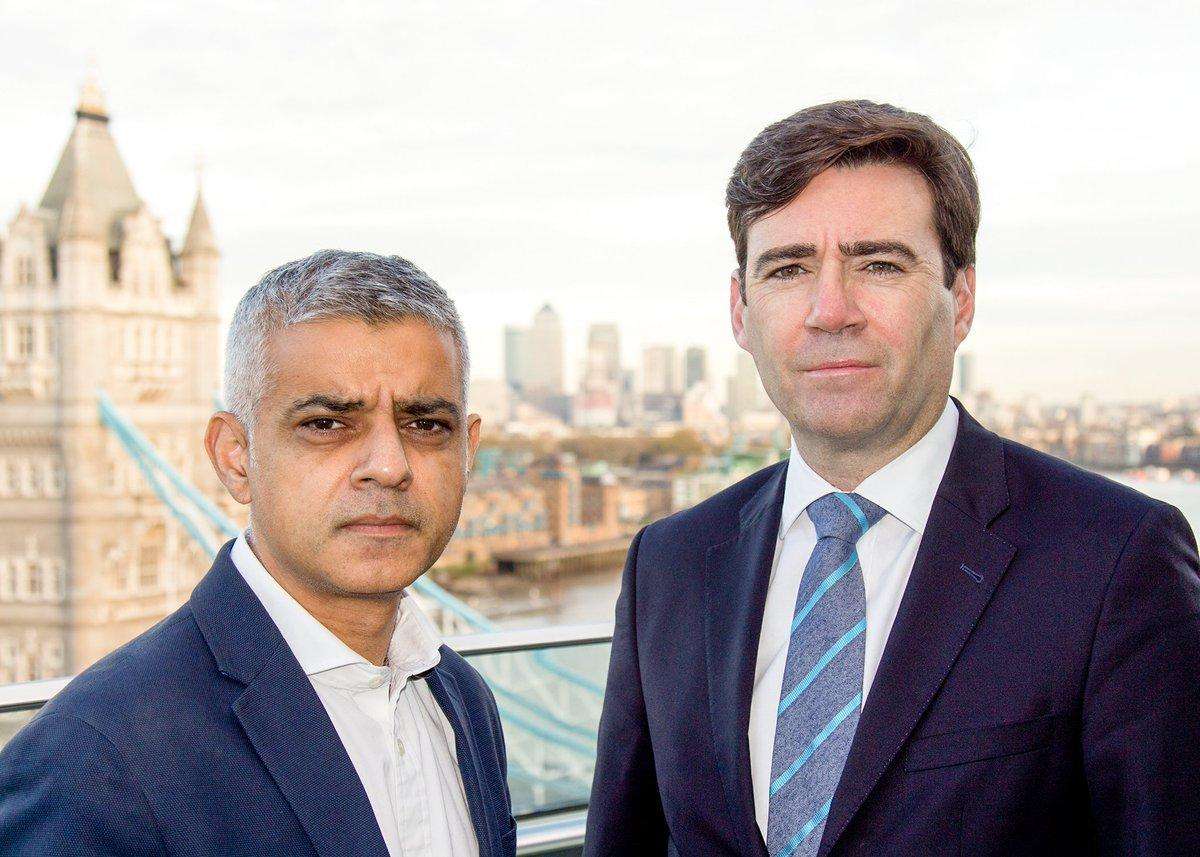
Empowerment Act 2026, which received Royal Assent on April 29, the legislative mechanism enabling a sitting Mayor of London to concurrently hold office as a Member of Parliament will officially terminate on June 29. While Greater Manchester Mayor Andy Burnham has capitalised on this final opportunity by securing the Labour candidacy for the upcoming Makerfield by-election, scheduled for June 18, City Hall officials have confirmed to journalists that the Mayor of London has no intention of attempting a similar return to the House of Commons before the statutory deadline.
Political strategists close to the administration note that unlike his northern counterpart, who faces an automatic mayoral disqualification upon Westminster election due to integrated Police and Crime Commissioner functions under the Police Reform and Social Responsibility Act 2011, the London executive is focused entirely on his current mandate. Observers indicate that while the Mayor continues to offer firm institutional backing to his colleague's parliamentary ambitions, his own trajectory within the Labour Party remains anchored in regional governance, with decision-making regarding a potential fourth mayoral term deferred until closer to the 2028 elections.
The Internal Factional Dynamics and Future Succession Realities
The divergent paths of the nation’s two most prominent metro mayors highlight deeper institutional maneuvers regarding the future of the Labour leadership. High-level party insiders speaking to journalists at *The Daily Dazzling Dawn* reveal that while the Greater Manchester Mayor remains a formidable figurehead for the party's municipal wing—bolstered by a recent internal Survation poll showing significant baseline support among members—the Mayor of London occupies a vastly different strategic position. Rather than entering a direct legislative race that would invite unnecessary friction with Downing Street, the London executive has increasingly positioned himself as an influential internal anchor, utilizing his platform to challenge national policy directions from a position of secure regional authority.
Historically, the Greater London Authority Act 1999 explicitly permitted these dual mandates, creating a legal avenue that allowed figures like Boris Johnson to hold both seats simultaneously. However, the newly enacted English Devolution and Community Empowerment Act 2026 introduces a strict, explicit statutory prohibition on holding both offices, with the formal statutory enforcement date locked in for June 29, 2026.
Behind the scenes, senior backbenchers and influential regional organizers continue to align with the capital's leadership on key domestic portfolios, particularly regarding infrastructure investment and local government finance. Should the current leadership paradigm shift, the London Mayor is understood to favor figures who maintain a strong commitment to urban devolution and social equity. Simultaneously, senior Westminster figures whose names have not yet been prominently circulated in mainstream leadership speculation are quietly consolidating support among metropolitan delegates. This ongoing repositioning underscores a broader institutional effort to ensure that local empowerment remains central to the national legislative agenda long after the dual-mandate loophole is formally closed.


.jpeg)