






.svg)
As the legal echoes of the 2017 sentencing fade into historical record, the reality for those left in the wake of Sabah Khan’s meticulous cruelty has entered a complex new chapter. The residence on Overstone Road remains a somber monument to a life extinguished by a sibling’s obsession. For the community, the passage of time has not erased the memory of the evening in 2016 when a care worker’s return from a night shift was met with a darkness both literal and metaphorical.
Recent inquiries into the family’s current standing reveal a profound shift in the domestic landscape. The four children of Saima Khan, who were mere infants and primary school pupils at the time of their mother’s death, are now navigating the threshold of adulthood. The eldest, who famously questioned the nature of the "noise" from the hallway, is now approximately 17 years old, while the youngest, whose supposed cries were used as a lure for the murder, has reached the age of 10. They remain under the steadfast guardianship of their maternal grandparents, growing up in the very house where the tragedy unfolded—a decision that continues to provoke reflection on the resilience of the human spirit.
Read Also: Blood, Black Magic, and the Sister Who Stole a Life to Steal a Husband
The perpetrator, Sabah Khan, remains confined within the high-security estate, having reached the halfway mark of her minimum 22-year tariff. Legal analysts reporting for *Daily Dazzling Dawn* suggest that while she remains eligible for parole in 2039, her path to reintegration is obstructed by the "extraordinary level of premeditation" cited by the judiciary. The "bitter envy" noted by Detective Chief Inspector Adam Gallop was not merely a momentary lapse but a calculated campaign that included paying £5,000 for occult intervention and researching the "16 steps" to evade justice—a digital footprint that continues to serve as a benchmark for cold-blooded domestic homicide.
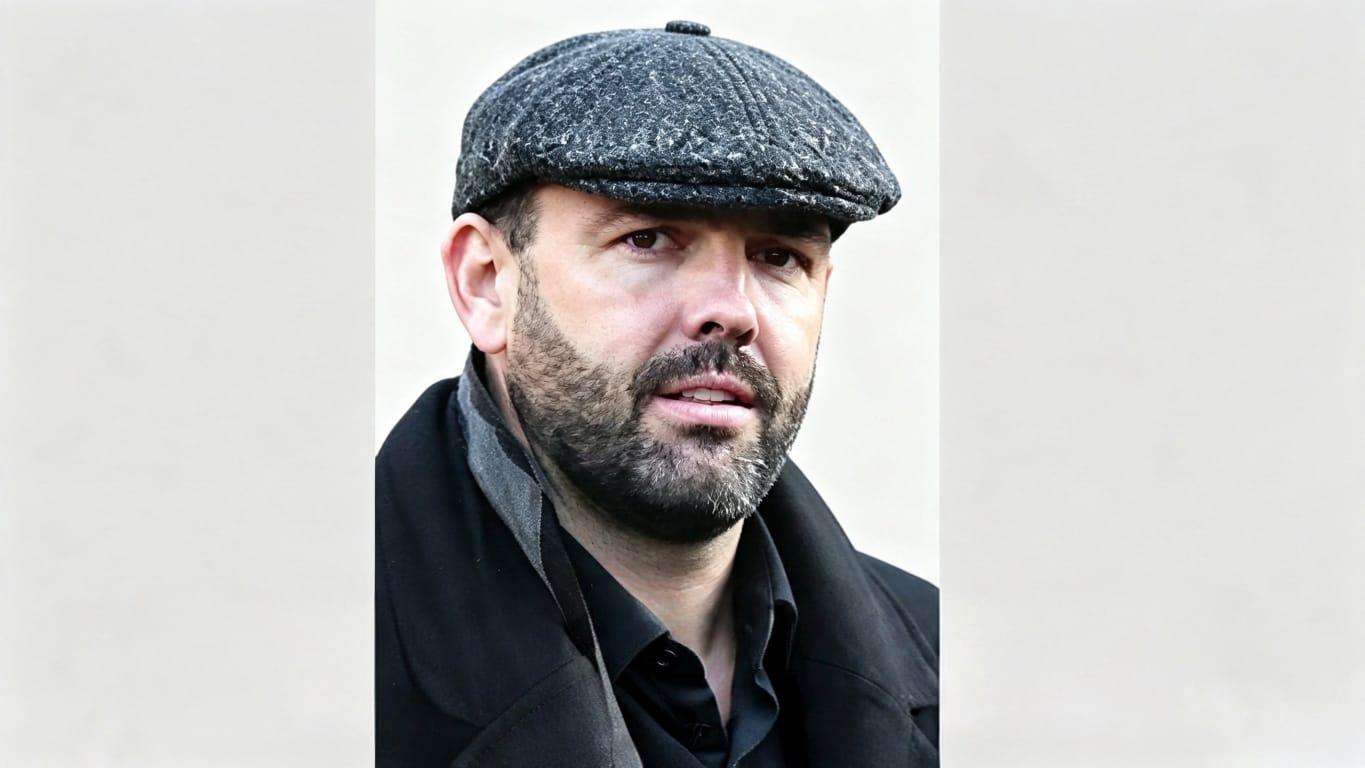
The man at the center of this catastrophic triangle, Hafeez Rehman, has undergone a transformation that serves as a point of contention among observers. Having relocated to his ancestral village in Pakistan-administered Kashmir shortly after the trial to contract a second marriage, he has since returned to the United Kingdom. He reportedly resides with his new spouse and their two young children within the same borough. However, the social repercussions remain absolute. Witnesses told journalists that Rehman is effectively an outcast; though he facilitates contact between his new family and Saima’s children, he is reportedly forbidden from crossing the threshold of the Khan family home.
This self-imposed or family-mandated exile underscores the "unanswered questions" Rehman himself referenced in statements following the trial. While the "love rat" moniker has persisted in local discourse, the focus of professional inquiry has shifted toward the psychological preservation of the next generation. The children are described by those close to the family as "remakably grounded," yet the shadow of their aunt’s betrayal—and their father’s infidelity—remains an unspoken weight. As Sabah Khan serves the remainder of her term, the story of the Khan family serves as a harrowing case study in the intersection of cultural expectation, obsessive desire, and the enduring quest for familial equilibrium in the aftermath of the unthinkable.
The Legacy of Betrayal
While the motive was ostensibly the pursuit of a marital union with her brother-in-law, the depth of Sabah's planning suggests a desire for total identity theft—to replace her sister in every capacity. This psychological pathology, combined with the forensic reality of the eight-minute "window of opportunity," ensures that this case remains at the forefront of British true crime analysis.