




.svg)
The recent acquittal of a motorist at Hull Crown Court has shifted the public discourse from a narrative of mere tragedy to one of complex physiological factors and the urgent need for structural road safety reform.
The proceedings at Hull Crown Court, which concluded with the acquittal of a 51-year-old Leeds man, turned on the scientific concept of "looming." This visual perception failure occurs when a driver’s brain fails to calculate the closing speed of a stationary object against a high-speed background until it is too late to react. In this instance, the silver Vauxhall Corsa struck the rear of a maroon Ford Fiesta—carrying 17-year-old Elise Thomas and her friends—which had become stranded in lane three of the M1 near Junction 39 following a sudden tyre failure.
While 16 vehicles successfully navigated around the hazard, the defence argued, and the court ultimately accepted, that the defendant may have been physically unable to perceive the stationary vehicle as a threat until the moment of impact. Speaking to a journalist, the prosecution noted that while the Corsa was not exceeding the speed limit, the absence of braking indicated a total lack of awareness of the obstruction, a factor attributed to this physiological blind spot rather than criminal negligence.
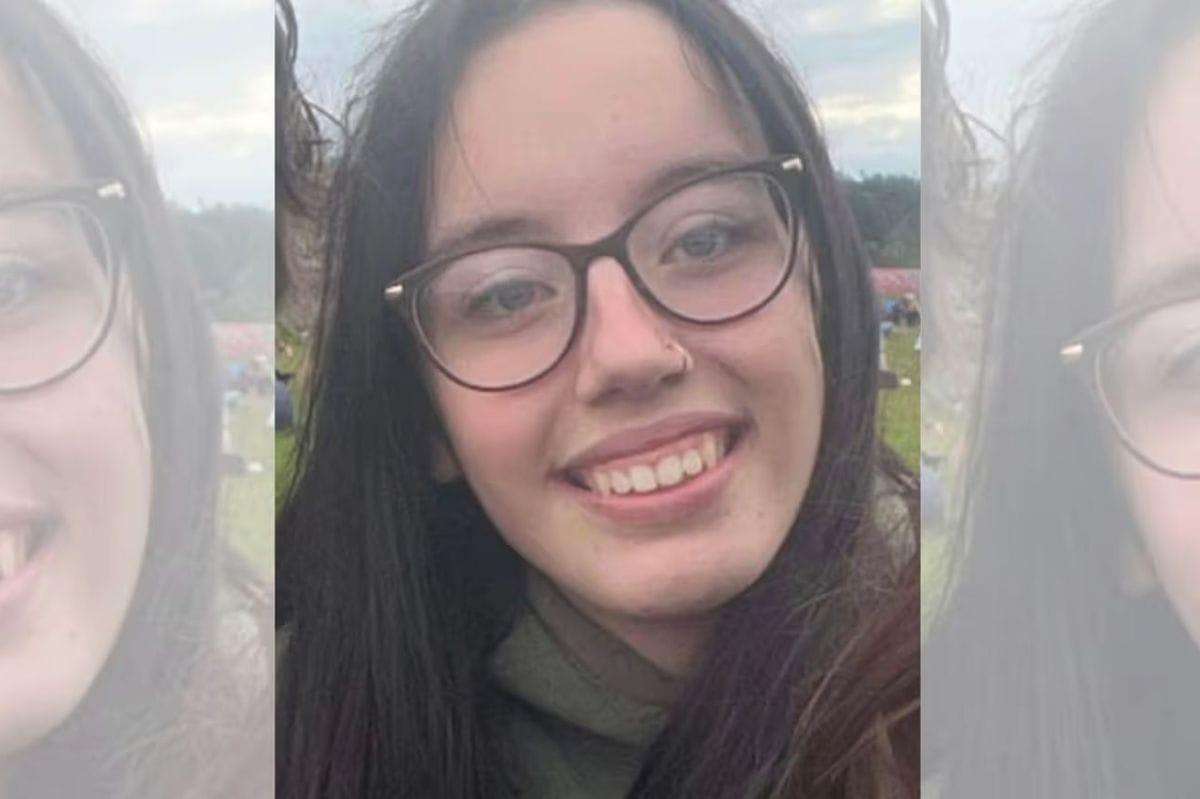
The aftermath of the incident has left a void in the creative community, particularly in the field of wildlife photography, where Elise Thomas was already establishing a professional reputation. "Elise was an inspiration to others and was amazingly talented; everything she touched turned to gold," her family stated when speaking to a journalist, emphasizing that her success at such a young age was a testament to a "beautiful soul."
The focus of the *Daily Dazzling Dawn* now turns toward the "what next" for UK smart motorways and high-speed carriageways. Industry experts suggest that this case could serve as a catalyst for a departmental review into "lane-drop" technology and the speed at which National Highways identifies stationary vehicles in live lanes. With the trial now concluded, local advocates and safety groups are expected to increase pressure on the government to accelerate the installation of additional emergency refuge areas and enhanced radar detection systems across the M1 corridor to prevent the recurrence of such "looming" related fatalities.
As the community mourns a young photographer whose lens captured the vibrancy of life, the legal precedent set by this acquittal underscores a sobering reality: current motorway designs may not account for the inherent limitations of human perception. The conversation now moves from the courtroom to the halls of policy, where the legacy of Elise Thomas may eventually be measured in the lives saved by more robust, automated hazard warnings.

.jpg)