

.jpg)




.svg)
British South Asians are now at the forefront of a medical revolution as researchers pinpoint the specific biological triggers causing disproportionate rates of Type 2 diabetes.
The Genetic Blueprint of Risk
Recent breakthroughs have shifted the focus from general lifestyle advice to deep biological insights specifically for British Bangladeshi and British Pakistani individuals. While it has long been known that these communities face up to six times the risk of Type 2 diabetes compared to white Europeans, new data explains why. Research indicates that the primary drivers are a genetic predisposition toward lower natural insulin production and a tendency to store fat around internal organs rather than under the skin. These factors mean that individuals often develop the condition ten years earlier than other ethnic groups and at a much lower Body Mass Index (BMI). This "lean diabetes" profile has historically led to missed diagnoses, but the development of South Asian-specific polygenic risk scores is now allowing the NHS to identify high-risk youths long before traditional symptoms appear.
Correcting the Misdiagnosis Crisis
A critical shift in clinical practice is emerging as experts identify significant gaps in current testing methods. Recent findings reveal that approximately 1 in 20 British Bangladeshi and Pakistani patients treated for Type 2 diabetes may actually have Type 1. This misidentification occurs because the early onset of the disease in these communities mimics the age profile typically associated with Type 1. Furthermore, the prevalence of G6PD deficiency—a genetic condition common in South Asian men—has been found to artificially lower HbA1c results. This "masking" effect can hide dangerously high blood sugar levels for years, delaying essential treatment. Moving forward, the integration of genetic screening into primary care is expected to eliminate these diagnostic errors, ensuring that patients receive the correct medication from day one and avoiding life-threatening complications like ketoacidosis.
Community-Led Science and Prevention
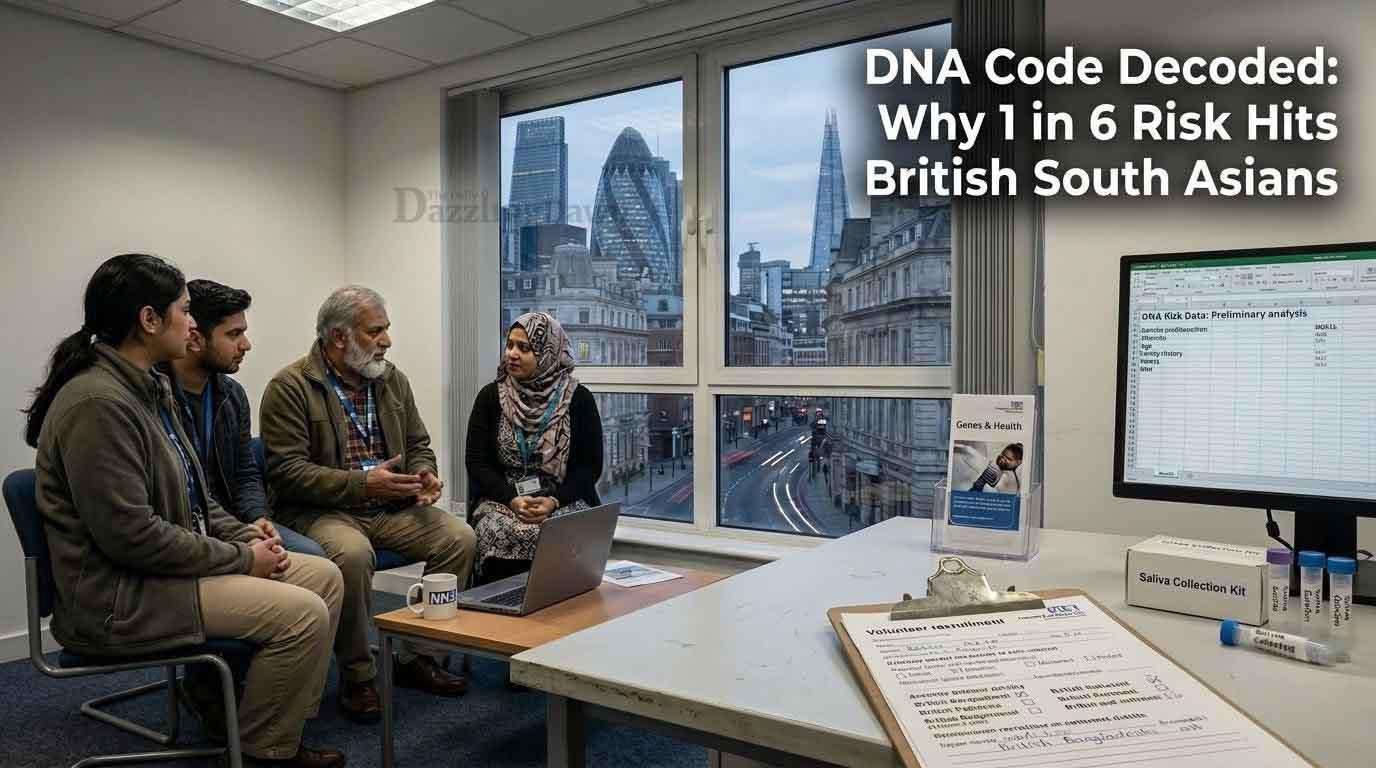
The success of this medical advancement is rooted in unprecedented community participation rather than top-down clinical observation. The study has recruited more than 73,000 British Bangladeshi and British Pakistani volunteers across east London, Bradford, Manchester, and the West Midlands. By contributing saliva samples and linking them to decades of anonymized NHS records, these volunteers have created one of the world's most powerful health databases. This collaboration is moving toward a "precision medicine" model where prevention is tailored to the specific ancestral heritage of the patient. For pregnant women in these communities, this means earlier intervention for gestational diabetes, as those with high genetic risk scores are five times more likely to develop the condition. Avoiding the onset of Type 2 diabetes is now becoming a matter of proactive genetic mapping combined with culturally specific nutritional and medical support.
The Path Toward Personalized Health
As the NHS transitions toward more personalized care, the data harvested from the Genes & Health study ensures that South Asian communities are no longer an afterthought in UK medical research. The next phase of this work involves rolling out these genetic risk tools across GP surgeries in high-prevalence areas, allowing for a "prediction-first" approach. This ensures that the next generation of British South Asians can access the NHS Diabetes Prevention Programme years earlier than previously possible. By focusing on the unique biological pathways of insulin secretion and fat distribution, the medical community is finally moving away from a "one size fits all" strategy toward a future where healthcare is as diverse as the population it serves.
Daily Dazzling Dawn newspaper always working for public awarenesses specialy for British South Asian community.