





.svg)
The era of leniency for Britain’s most reckless motorists is drawing to an end as the Department for Transport prepares to implement a sweeping legislative overhaul capable of permanently altering the UK’s driving landscape. Following the formal closure of a major public consultation on 11 May 2026, government officials are moving into the final phase of shaping a new 10-year Road Safety Strategy. The incoming framework introduces a zero-tolerance approach to persistent regulatory evasions, aiming to reverse a 16-year stagnation in national casualty reductions. Investigative insights obtained by a journalist for the daily dazzling dawn newspaper reveal that ministers are ready to fast-track unprecedented punitive powers to rid the nation's tarmac of unvetted, untraceable, and dangerous vehicles.
Read more: Far-Right and Anti-Immigration Protests Surge Across UK Under Labour Government
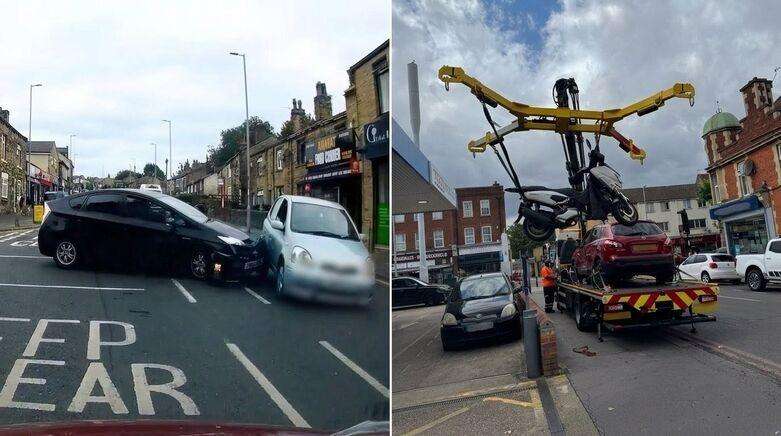
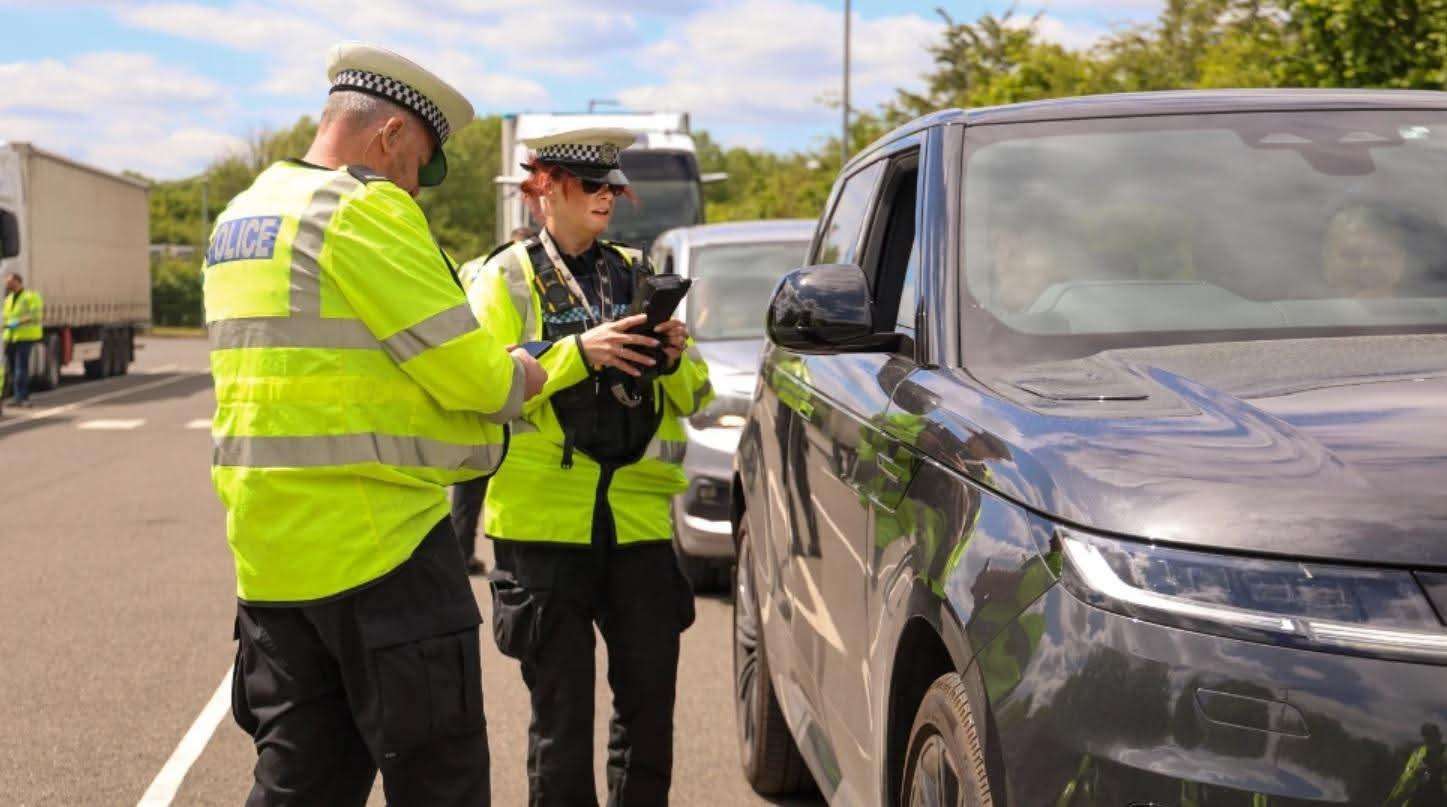
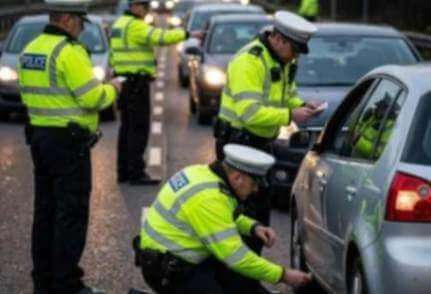
At the core of the strategy is an aggressive targeting of offences that safety experts say serve as gateways to more severe criminal conduct on the highway. Sources close to the Department for Transport indicate that driving without a valid MOT, operating an uninsured vehicle, and utilizing altered or cloned "ghost" number plates will no longer be treated as mere administrative administrative errors. Instead, the upcoming legislation is set to weaponise the penalty points system, dramatically lower the threshold for immediate driver disqualification, and grant police forces sweeping automatic powers for roadside vehicle seizure.
Targets and Technologies Behind the Overhaul- The statistical impetus driving this legislative urgency is stark. Department for Transport figures confirm that 1,602 fatalities were recorded on UK roads in 2024, a grim plateau alongside nearly 28,000 serious injuries that has remained virtually unchanged since 2010. To dismantle this status quo, the Secretary of State for Transport has established an uncompromising target: a 65% reduction in overall road deaths and serious injuries by 2035, escalating to a 70% reduction for children under the age of 16.
UK ROAD CASUALTY REDUCTION TARGETS (BY 2035) Adult Fatalities & Serious Injuries ] ▼ 65%
To achieve these targets, the government is shifting from traditional reactive policing to a tech-driven, systemic enforcement framework. This includes the deployment of advanced AI-powered roadside cameras specifically calibrated to detect seatbelt non-compliance and mobile phone usage. Furthermore, the strategy mandates the integration of 18 life-saving vehicle technologies—including intelligent speed assistance and automated emergency braking—as standard type-approval requirements for all new British cars.
While the immediate focus remains on removing untraceable and unroadworthy vehicles from circulation, the closed consultation has laid the groundwork for a much wider tightening of the law. Under active ministerial consideration are proposals to lower the legal drink-drive limit across England and Wales to match Scotland's stricter standards, alongside the mandatory installation of alcohol interlock devices for convicted offenders.
Furthermore, a parallel transformation is arriving for the next generation of motorists. The government is evaluating a mandatory six-month minimum learning period for learner drivers, alongside stricter nighttime curfews and passenger restrictions for newly qualified motorists under the age of 24. For older drivers, mandatory eyesight testing upon reaching the age of 70 is highly likely to become law.
Speaking to a journalist under condition of anonymity, a senior road safety official privy to the post-consultation briefings stressed that the status quo is entirely unsustainable. The source noted that for over a decade, progress has stalled because the consequences of violating traffic laws failed to outweigh the perceived convenience of non-compliance. The upcoming statutory changes will send an undeniable message that a driving licence is a revocable privilege, not an entitlement. With a newly formed Road Safety Investigation Branch poised to analyze collision data alongside NHS health networks, the government is preparing a multi-pronged assault on road trauma that begins with punishing the lawless.