




.svg)
Bangladesh is observing its Independence Day today, commemorating a defining moment in the nation’s history when it emerged as an independent country in 1971 after a long and determined struggle.
The roots of this historic day go back to the night of March 25, 1971, when the Pakistani military carried out a brutal crackdown on civilians in East Pakistan. In the early hours of March 26, a declaration of independence was made, which ignited a nationwide resistance and led to the start of the Liberation War.
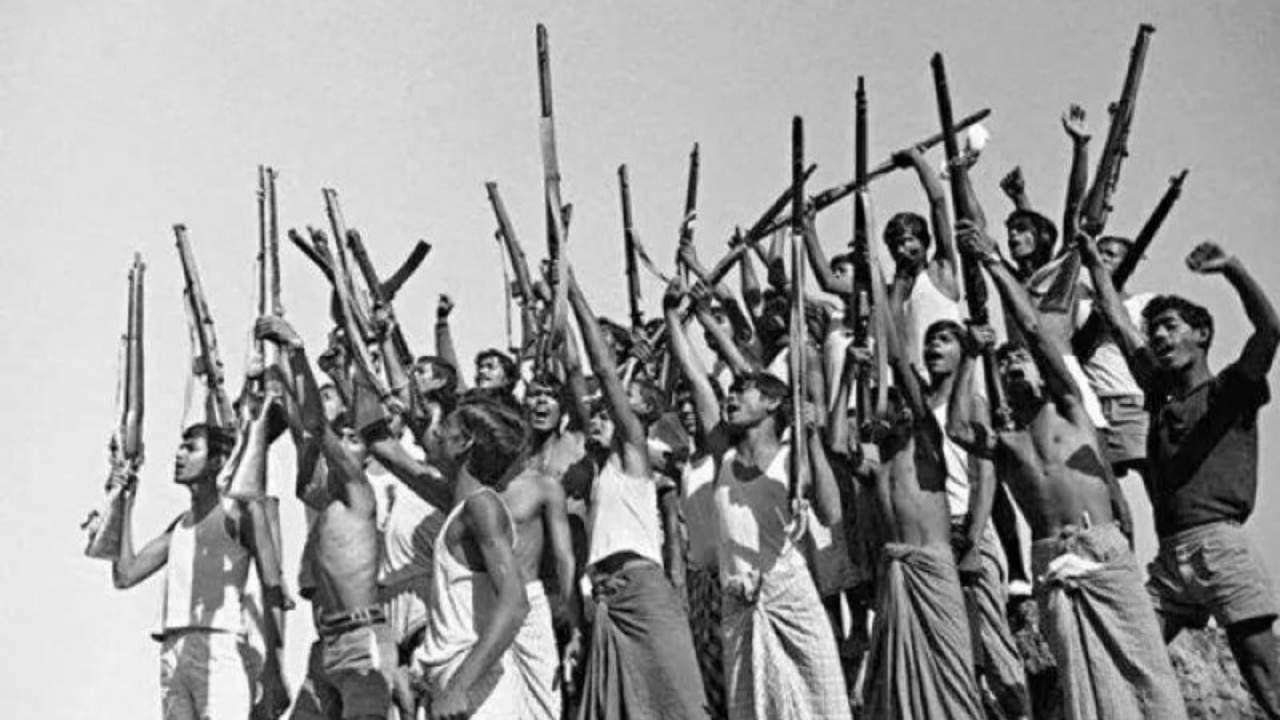
Over the following nine months, the people of Bangladesh fought with courage and determination. The war came at a great cost, with millions losing their lives and many more displaced. The Mukti Bahini, along with support from India, played a significant role in defeating the Pakistani forces.
The war finally ended on December 16, 1971, when Pakistani troops surrendered, paving the way for Bangladesh to become a sovereign nation.
Sheikh Mujibur Rahman, widely known as “Bongobondhu,” remains a central figure in Bangladesh’s independence history, inspiring millions through his leadership and historic March 7, 1971 speech. Despite facing imprisonment and political challenges, he remained committed to the vision of a free nation and is remembered today as the “Father of the Nation,” whose legacy continues to guide and inspire future generations.