






.svg)
The political architecture of Downing Street is facing a profound structural shift as a coordinated sequence of frontbench departures and tactical realignments indicates a rapidly approaching challenge to Sir Keir Starmer’s premiership. Following a sequence of highly damaging local and national election results across England, Scotland, and Wales, the internal consensus sustaining the current administration has visibly fractured. The sudden departure of prominent figures from the Cabinet has transformed private discontent into an overt debate over the ideological trajectory of the executive, shifting the focus of Westminster from policy implementation to a fundamental debate over the future of the Labour leadership.
The momentum behind the transition accelerated decisively following the resignation of the former Health Secretary, Wes Streeting. In an open letter delivered directly to journalists, Streeting explicitly detailed a total loss of confidence in the current leadership, characterizing remaining in post as a compromise of personal principle. While his initial public remarks deliberately stopped short of an explicit call for an immediate leadership vote, the timing and content of his exit message systematically dismantled the administration's core economic strategy.
Streeting quickly advanced a distinct policy platform designed to appeal to both parliamentary colleagues and external stakeholders. He advocated for a fundamental reset of the UK’s international trade framework, calling for a new special relationship with the European Union that could serve as a transitional pathway toward eventually rejoining the trade bloc. Domestically, his proposals focused on an extensive reindustrialization strategy to generate the state revenue required for traditional social democratic policies, alongside a novel plan to establish a publicly funded digital institution to counter online disinformation. Those close to the former Health Secretary have since indicated to journalists that an open leadership contest is now entirely inevitable, and he intends to be fully present on the ballot paper.
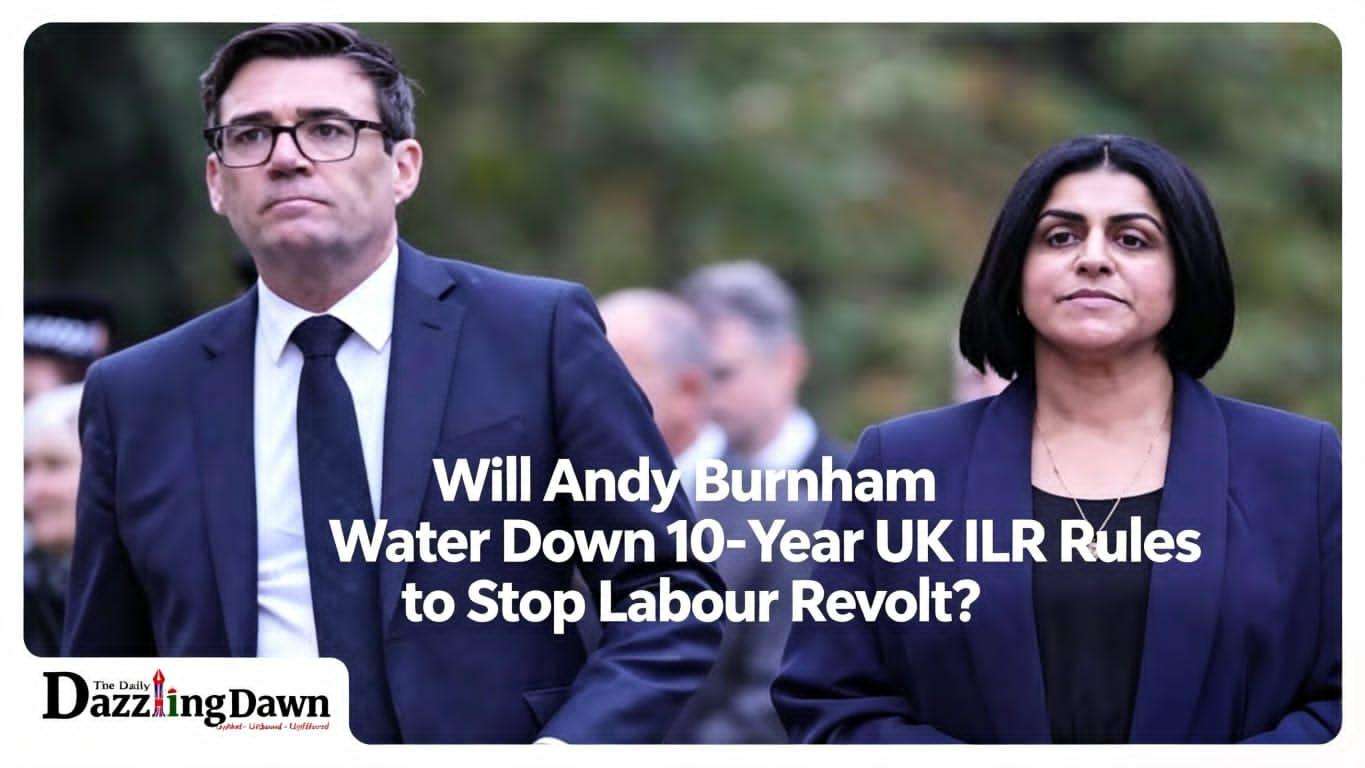
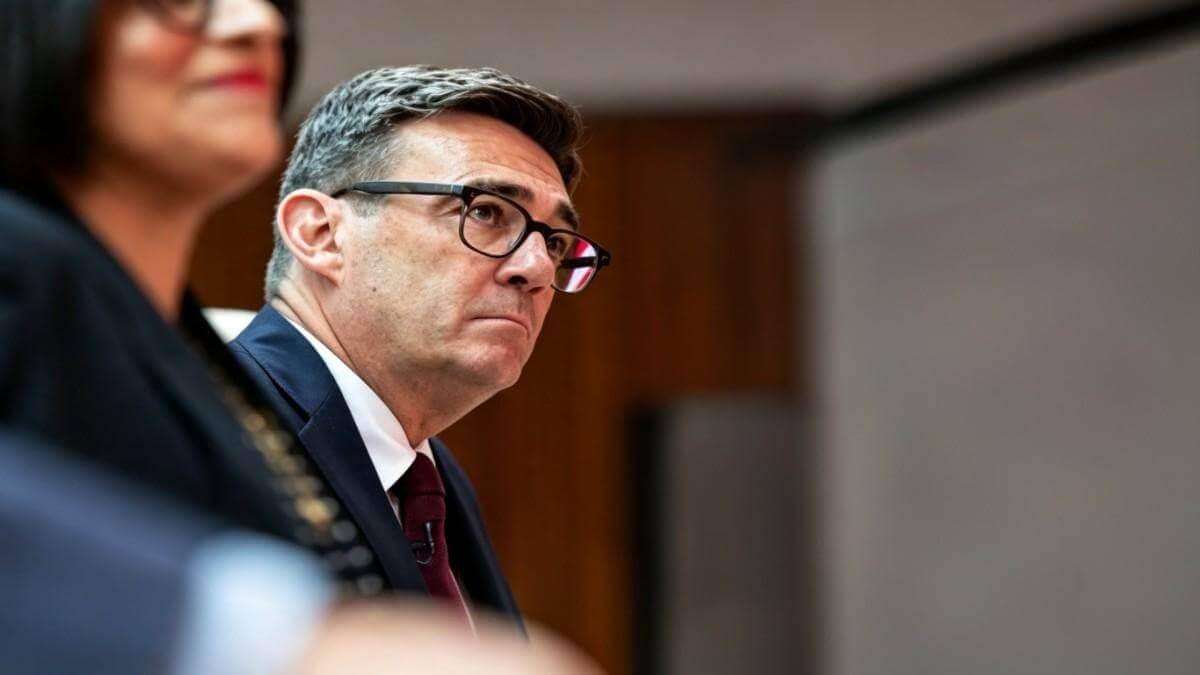
Simultaneously, a distinct mechanism to facilitate a leadership bid has emerged from the North West of England. In a highly unusual constitutional maneuver, Josh Simons resigned his parliamentary seat in the Reform UK-facing marginal of Makerfield. The resignation was explicitly executed to create an immediate vacancy for the Greater Manchester Mayor, Andy Burnham, allowing him a direct path to attempt a return to the House of Commons.
14 May: Josh Simons Resigns Seat
15 May: Labour NEC Designates Approved Candidate Status
21 May: Shortlisting and Final Selection Meeting
18 June: Voters Head to the Polls
The Labour National Executive Committee rapidly granted Burnham formal approval to seek selection for the June by-election, reversing a previous decision from earlier in the year when they blocked him from contesting a vacancy in Gorton and Denton. If successful in the upcoming vote, Burnham will be legally required to relinquish his mayoral responsibilities to enter Parliament.
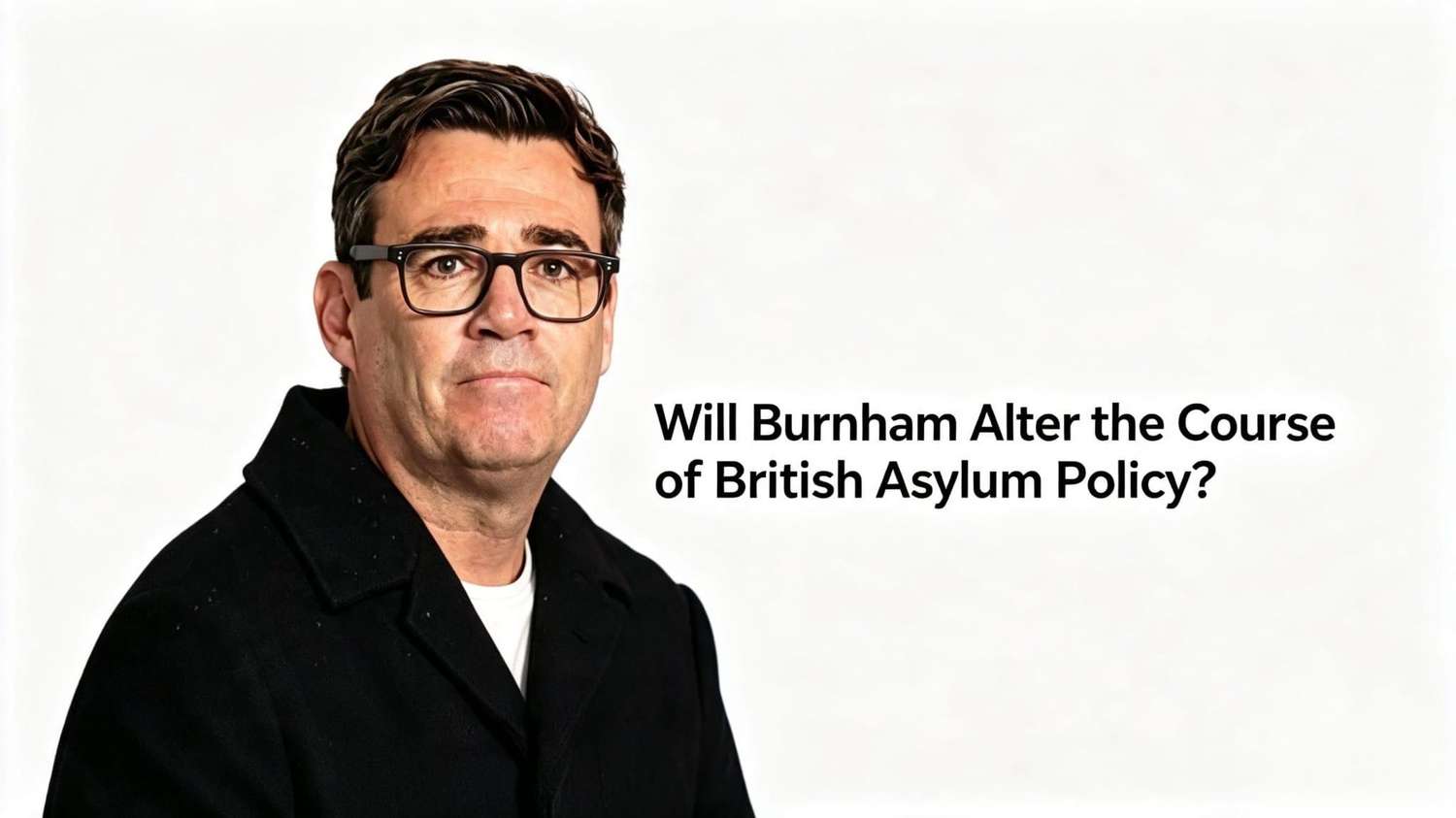
Burnham has spent recent months aggressively promoting an alternative governance model termed "Manchesterism." Positioned as a direct challenge to the centralized Westminster apparatus, his platform advocates for a transition toward proportional representation, targeted wealth taxation, and the total abolition of the House of Lords. In recent briefings given to journalists, Burnham mirrored aspects of Streeting’s economic agenda by endorsing widespread reindustrialization, while reinforcing his long-held view that the UK’s long-term economic stability relies on re-entering the European Union. Initial private polling circulated among party members suggests that should Burnham secure a seat in the Commons, his popularity within the wider membership could fundamentally reshape the dynamics of a leadership vote.
The potential field of challengers broadened further with the formal legal resolution of Angela Rayner’s financial affairs. The former Deputy Prime Minister, who stepped down from the executive last autumn following an independent determination regarding ministerial conduct, announced that a detailed Her Majesty’s Revenue and Customs (HMRC) investigation into her stamp duty land tax liabilities has concluded without the imposition of any financial penalty.
While the investigation required Rayner to settle a £40,000 underpayment relating to a residential property transaction involving a family trust, the revenue body formally concluded that she acted with reasonable care and took good faith measures based on the legal advice available to her at the time. Relieved of the threat of a formal penalty for negligence, Rayner immediately utilized her return to the backbenches to distance herself from current government policy. In comments delivered directly to journalists, she targeted recent legislative proposals introduced by Home Secretary Shabana Mahmood, labeling plans to restrict permanent residency eligibility for long-term migrants as entirely un-British. The precise timing of her legal clearance and her immediate critiques of core Home Office policy have been interpreted across Westminster as the foundation for a distinct leadership challenge from the traditional left of the party.
As internal maneuvers intensify, other prominent figures are calibrating their positions. While media reports briefly identified Energy Security Secretary Ed Miliband as a potential candidate capable of unifying disparate factions, sources immediately close to him dismissed the speculation to journalists, categorizing the rumors as deliberate internal mischief-making. Miliband has subsequently maintained a strict focus on his departmental portfolio, avoiding any public entanglement in the unfolding succession debate.
Facing an increasingly organized challenge, Sir Keir Starmer has delivered a series of defensive declarations to journalists, vowing to resist internal pressure to vacate 10 Downing Street. In an attempt to stabilize his parliamentary support, the Prime Minister announced an expedited policy package featuring the immediate nationalization of British Steel to protect industrial employment, the formal implementation of a comprehensive youth employment and training guarantee, and a commitment to forge significantly tighter regulatory and economic alignments with European partners.
Starmer has framed the internal division not as a standard policy dispute, but as a fundamental battle for the soul of the country's governance, warning that a sudden change in leadership would plunge the state into a prolonged period of instability. However, as reporting by *Daily Dazzling Dawn* indicates, the rapid alignment of Streeting’s policy proposals, Burnham’s impending parliamentary campaign, and Rayner’s public return to active political debate suggests that the authority of the current executive is being systematically tested. The unfolding transition is no longer a matter of private speculation, but an active realignment of power across the highest levels of British politics.