





.svg)
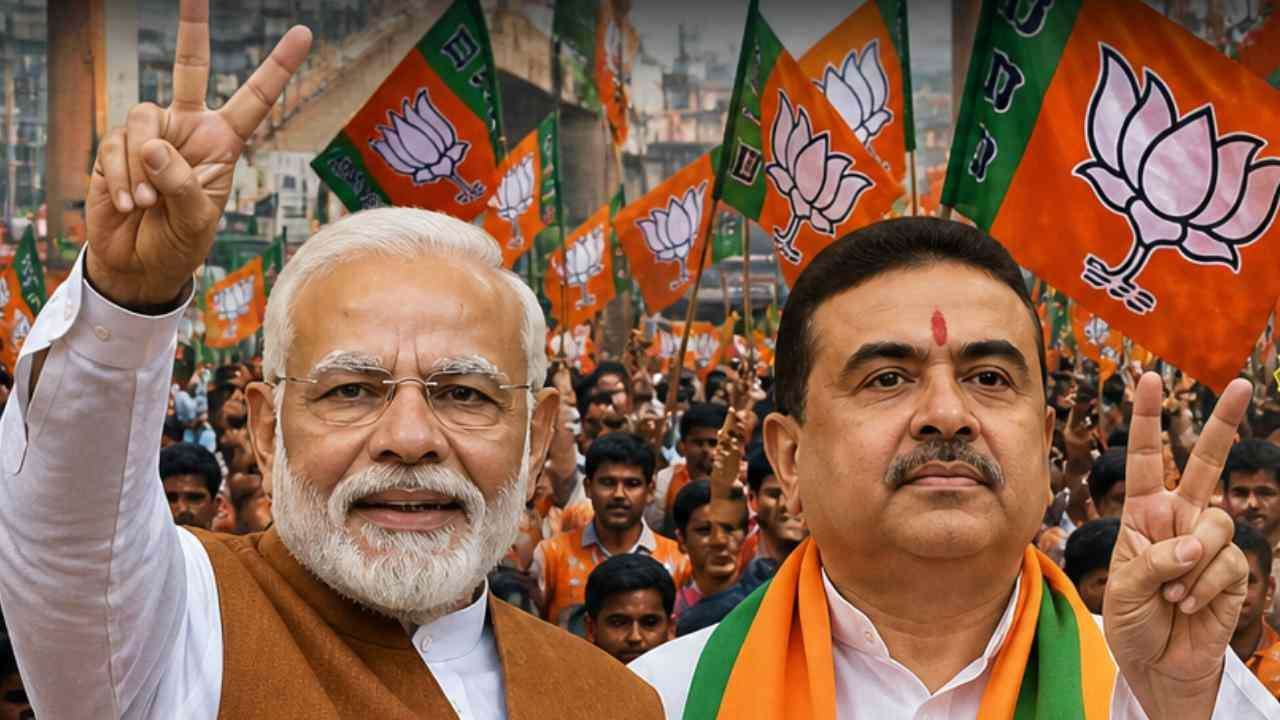
The reported victory of the Bharatiya Janata Party (BJP) in the West Bengal Legislative Assembly elections has triggered widespread discussion across political circles in Bangladesh. Analysts and party leaders are assessing what the political shift could mean for relations with neighboring India.
The election outcome is particularly significant as it signals the end of Mamata Banerjee’s long tenure in power. Her party, the All India Trinamool Congress, appears to have been unseated after nearly 15 years, with early results indicating a decisive BJP win. Reports also suggest that Banerjee lost her own constituency to BJP leader Suvendu Adhikari.
The development has raised questions in Bangladesh about the future handling of key bilateral issues, including Teesta river water-sharing, border management, and migration-related concerns such as “push-in” and “push-back” practices. Some political observers have expressed unease over pre-election remarks made by certain BJP leaders about Bangladesh, fearing they could affect diplomatic relations if such rhetoric continues.
Despite these concerns, Bangladesh’s State Minister for Foreign Affairs, Shama Obaed, emphasized that the change in leadership in West Bengal would not alter the overall trajectory of bilateral ties. She reiterated that dialogue remains essential, regardless of which party is in power in India.
Political reactions within Bangladesh have been mixed. Bangladesh Nationalist Party (BNP) leaders described the election as an internal matter of India, while stressing the importance of maintaining strong and mutually beneficial relations between the two neighbors.
Meanwhile, representatives from Bangladesh Jamaat-e-Islami voiced concerns about the BJP’s ideological stance, warning that its rise could have broader implications for regional secularism and communal harmony. Similarly, leaders from the Communist Party of Bangladesh noted that the outcome reflects a growing influence of communal politics in the region.
The election result comes against the backdrop of strained Bangladesh-India relations in recent years, particularly following political transitions in Dhaka. Incidents involving trade disruptions, visa restrictions, and diplomatic tensions had previously pushed ties to a low point. However, recent diplomatic efforts, including visits by Bangladeshi officials to New Delhi, have indicated a willingness on both sides to rebuild cooperation.
One of the longstanding unresolved issues between the two countries remains the Teesta water-sharing agreement, which had previously stalled due to opposition from the West Bengal government under Banerjee.
As political dynamics evolve in West Bengal, stakeholders in Bangladesh continue to monitor developments closely. While opinions differ, there is a shared understanding among policymakers that sustained dialogue and cooperation will be essential to addressing ongoing challenges and strengthening bilateral relations between the two nations.