
.jpg)





.svg)
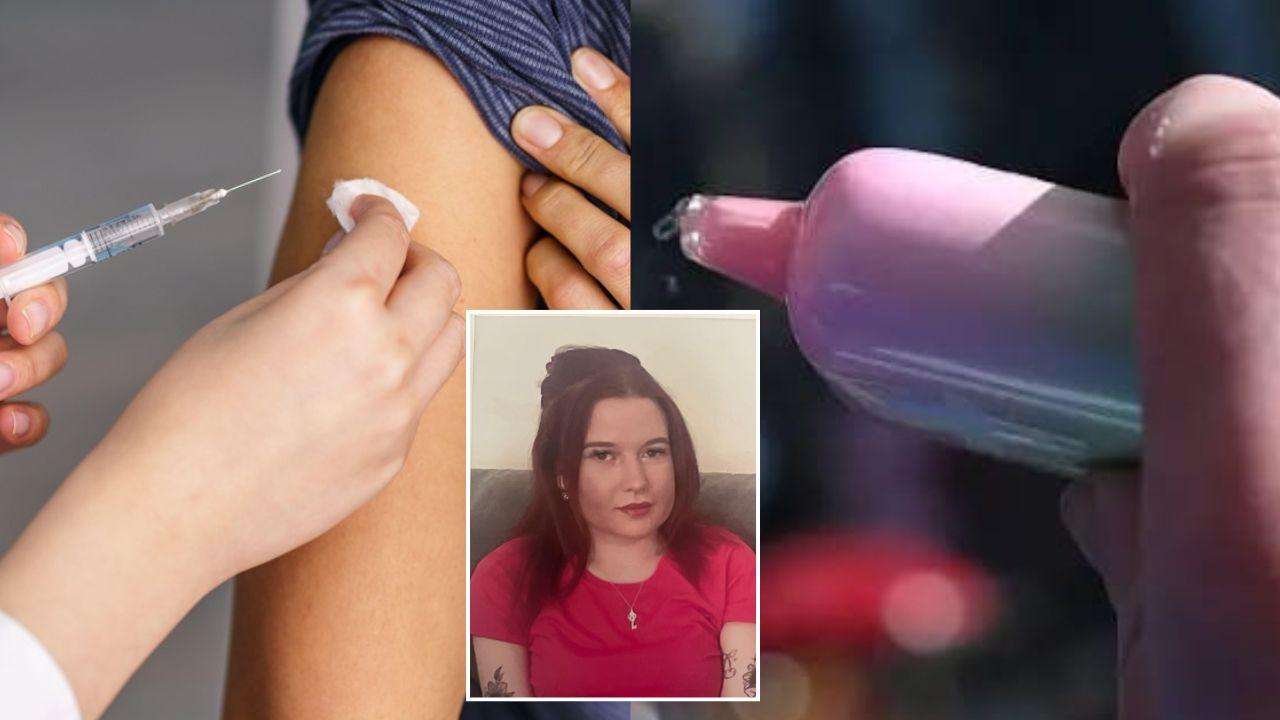
Health Secretary Wes Streeting has officially authorized an emergency, "targeted" vaccination program for students at the University of Kent following what he describes as an "unprecedented" and "rapidly developing" outbreak of Group B Meningococcus (MenB). The intervention comes as the UK Health Security Agency (UKHSA) confirms 15 cases of invasive meningococcal disease linked to the Canterbury area, which have already resulted in two tragic deaths.
While the MenB vaccine has been part of the routine childhood schedule since 2015, the government has acknowledged a critical "protection gap": most current university students were born before the rollout and remain entirely unprotected unless they paid for private vaccination. In a significant policy shift, Streeting has now formally requested the Joint Committee on Vaccination and Immunisation (JCVI) to re-examine the eligibility criteria for the MenB vaccine, potentially opening the door for a wider national catch-up campaign for teenagers and young adults—a move previously rejected on cost-effectiveness grounds.
Pharmacies Under Pressure as Private Stock Vanishes
The National Pharmacy Association (NPA) reports an "unprecedented" 6,500% surge in private vaccine inquiries, leaving wholesalers unable to meet the demand. Some Kent pharmacies reported receiving dozens of booking requests in a single morning, with many forced to turn away concerned parents and students as stock levels are "carefully managed" and, in many cases, exhausted. The NPA is now urging the NHS to urgently commission community pharmacies to provide a state-funded catch-up service to alleviate the pressure on GP surgeries and ensure rapid distribution.
The "Vape-Link" Theory and Next Steps for Containment
Public health officials are investigating high-risk social behaviors that may have accelerated the spread within the student population. Dr. Gayatri Amirthalingam of the UKHSA highlighted that "intimate mixing," including the sharing of vapes and drinks at social venues like Canterbury’s Club Chemistry, could be a primary vector for the bacteria. Anyone who visited the nightclub between March 5 and March 7 is being urged to attend one of four emergency treatment centers in Canterbury, where 11,000 doses of preventative antibiotics have been stationed.
Read more: Meningitis outbreak latest: 72-Hour Window: Why Thousands Must Break Silence Now
Moving forward, the UKHSA is monitoring for any signs of the bacteria spreading beyond East Kent. A wider "ring vaccination" strategy is currently under review, which could see the program expanded to other university campuses or local schools if new cases emerge outside the original cluster. For now, the focus remains on the University of Kent’s halls of residence, where the first wave of emergency jabs will be administered this week.