



.jpg)
.svg)
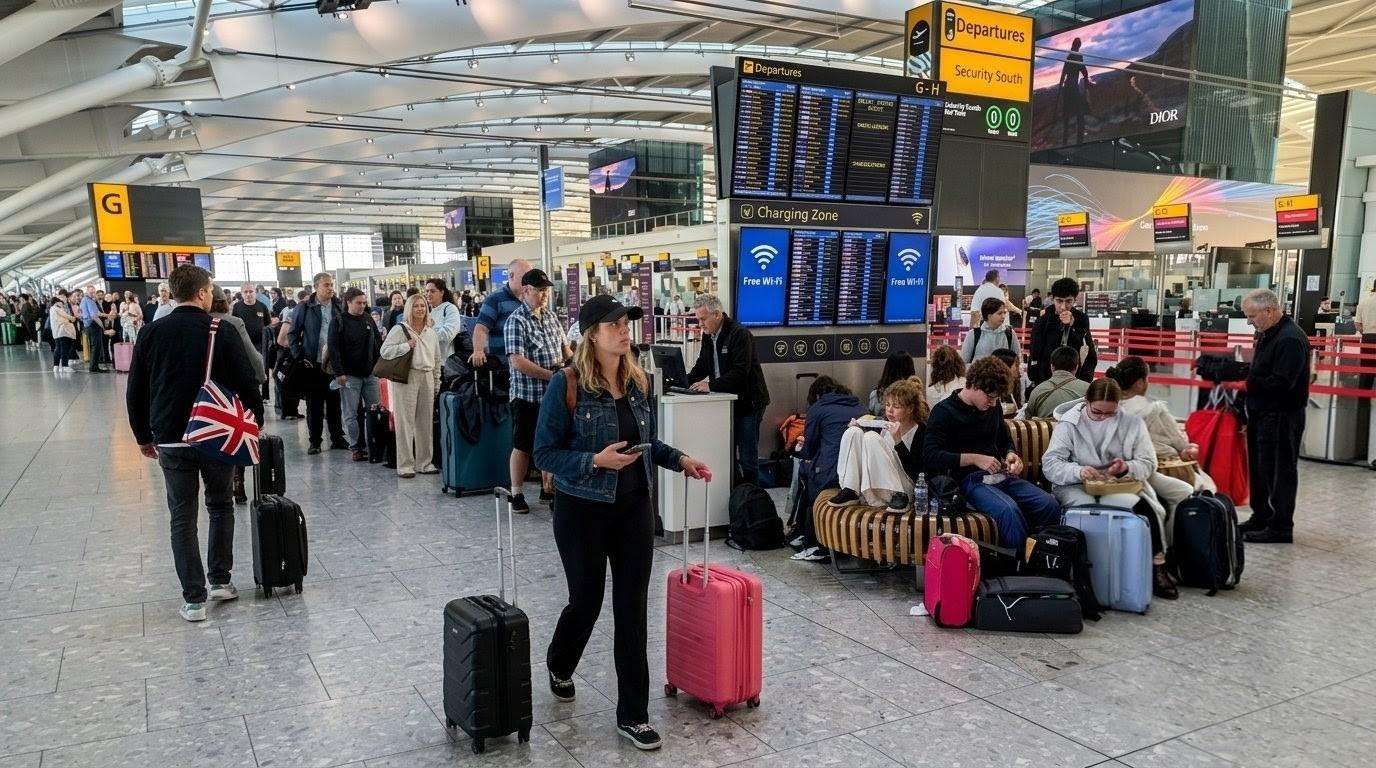
Travellers across Europe are being warned to expect higher flight prices this summer as soaring jet fuel costs continue to pressure airlines following tensions in the Middle East.
Willie Walsh, director general of the International Air Transport Association and former boss of British Airways, said increased air fares are unavoidable as airlines struggle to cope with rising fuel expenses.
Speaking to the BBC, Walsh explained that the sharp rise in oil and jet fuel prices has been driven largely by disruption linked to the US-Israeli conflict involving Iran and instability around the Strait of Hormuz — one of the world’s most important shipping routes for energy supplies.
“Over time it’s inevitable that the high price of oil will be reflected in higher ticket prices,” Walsh said.
Although some airlines have recently lowered fares because of weaker consumer demand, Walsh stressed that carriers cannot continue absorbing the additional fuel costs indefinitely.
Concerns Over Summer Fuel Supply
The aviation industry is particularly concerned about July and August, traditionally the busiest months for travel in Europe.
Walsh warned that airlines typically experience around a 25% increase in flight activity and fuel demand during the peak holiday season compared with quieter months earlier in the year.
While he said there was no immediate reason for passengers to panic about widespread cancellations, he acknowledged there are growing concerns over whether enough alternative jet fuel supplies can be secured.
The UK and many European countries remain heavily dependent on jet fuel imports from the Middle East, prompting governments and airlines to search for new suppliers, including increased imports from the United States.
EU and UK Respond to Potential Shortages
The European Union recently confirmed that US-grade jet fuel could be safely used by European airlines if introduced carefully.
EU Energy Commissioner Dan Jørgensen stated there is currently no immediate threat to supplies, though shortages could emerge later if the crisis continues.
Meanwhile, Heidi Alexander said the UK government has taken steps to avoid major travel disruption by increasing fuel imports and boosting refinery production.
Officials have also temporarily relaxed aviation rules, allowing airlines to combine passengers from separate flights onto fewer aircraft in order to conserve fuel.
Flight Cuts Already Affecting UK Airports
According to aviation analytics company Cirium, airlines have already cancelled 296 departures from UK airports this month — around 0.75% of scheduled flights.
Despite the uncertainty, Sebastian Ebel, head of travel operator TUI, said he does not currently expect significant shortages during the coming months.
Walsh, however, cautioned that fuel supply challenges may continue well into 2027 if global tensions and supply disruptions persist.
New Airport E-Gate Rules for Children
In a separate travel update, the UK Home Office announced that children aged eight and nine will soon be allowed to use airport e-gates when returning to the UK from overseas.
The rule change, which takes effect on July 8, applies to children who are at least 120cm tall and travelling with an adult. The government believes the move could allow an additional 1.5 million children to use automated border gates each year.