





.svg)
In a definitive address at Bayes Business School, Chancellor Rachel Reeves has shifted the UK’s economic narrative from reactive crisis management to proactive technological dominance. While the "Trumpflation" effect—driven by the escalating conflict in the Middle East—has sent energy prices soaring and mortgage markets into a frenzy, Reeves is doubling down on a "high-growth shield." Her strategy rests on three pillars: rapid AI adoption, world-leading quantum infrastructure, and a deliberate "re-thaw" of trade relations with the European Union. Central to this vision is the transformation of the Oxford-Cambridge corridor into the "Silicon Valley of Europe," supported by a controversial readiness to use compulsory purchase powers to bypass development bottlenecks.
Securing the Digital Frontier
The centerpiece of the government’s new industrial strategy is a £2.5 billion funding package designed to anchor the next generation of tech giants in Britain. This includes a £500 million Sovereign AI Fund and a massive £2 billion commitment to quantum capabilities, marking the UK as the first nation to commit to rolling out commercial-scale quantum computers at scale. The investment aims to create 100,000 jobs and generate £212 billion in economic impact over the next two decades. New data from HSBC and the CEBR reinforces this direction, showing that AI adoption among mid-sized firms has already surged to 55%, with "productive adopters" poised to unlock an additional £105 billion in revenue by 2030.
The Looming Mortgage Reality
Despite the long-term optimism, the immediate financial environment for UK households remains perilous. The closure of the Strait of Hormuz has pushed Brent crude above $104 a barrel, a 50% increase since the conflict began on February 28. This energy shock has filtered rapidly into the home loan market; average two-year fixed rates have spiked to 5.28%, adding nearly £800 to the annual bill for a typical £250,000 mortgage. Lenders have responded to the volatility by pulling nearly 700 products from the market in just two weeks, a contraction reminiscent of the 2022 "mini-budget" fallout. With the Bank of England meeting this week, the probability of an interest rate cut has plummeted from 80% to just 20%.
Stability Through Integration
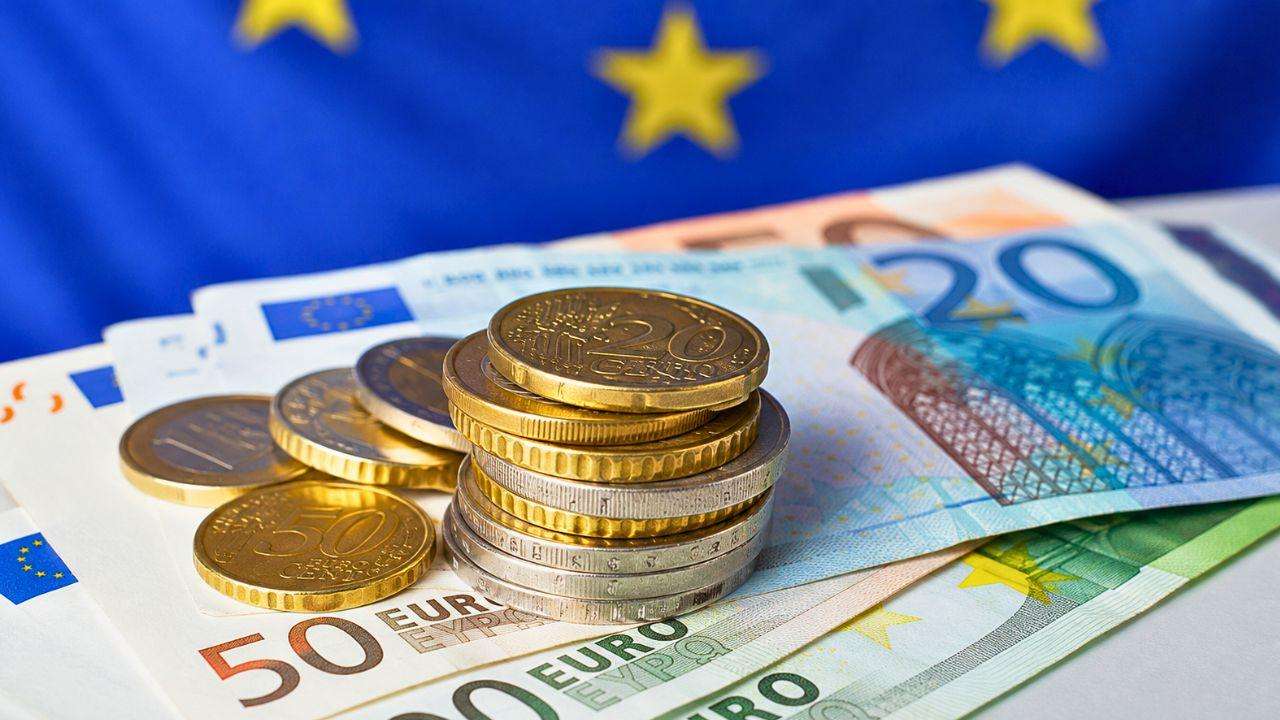
To counter the "age of insecurity," the Chancellor is preparing to cite Office for Budget Responsibility forecasts that highlight a 4% productivity gap caused by current EU trade barriers. By seeking deeper regulatory alignment and collaborative quantum research with neighbors like France and Germany, the Treasury hopes to create a more resilient trade environment. This European pivot is framed not as a reversal of Brexit, but as a pragmatic necessity to foster regional growth and secure the UK’s role in the global tech race. Meanwhile, the government is monitoring the impact of rising costs on the most vulnerable, as personal insolvencies hit an 18% annual increase and debt relief orders reach record highs.
What Happens Next
The focus now shifts to the "high-tech talent war." Experts warn that the £2.5 billion investment must be matched by competitive academic and commercial positions to prevent a brain drain to the EU. In the immediate term, the Treasury is weighing "targeted" energy subsidies for lower-income households as wholesale gas prices remain 70% above pre-war levels. Markets will be watching the Bank of England’s decision on March 19 for any sign of a rate hike to combat the one percentage point inflation "spike" forecasted by the OBR. The Chancellor’s success depends on whether these high-tech bets can deliver growth fast enough to outrun the escalating costs of global instability.


.jpg)