



.svg)
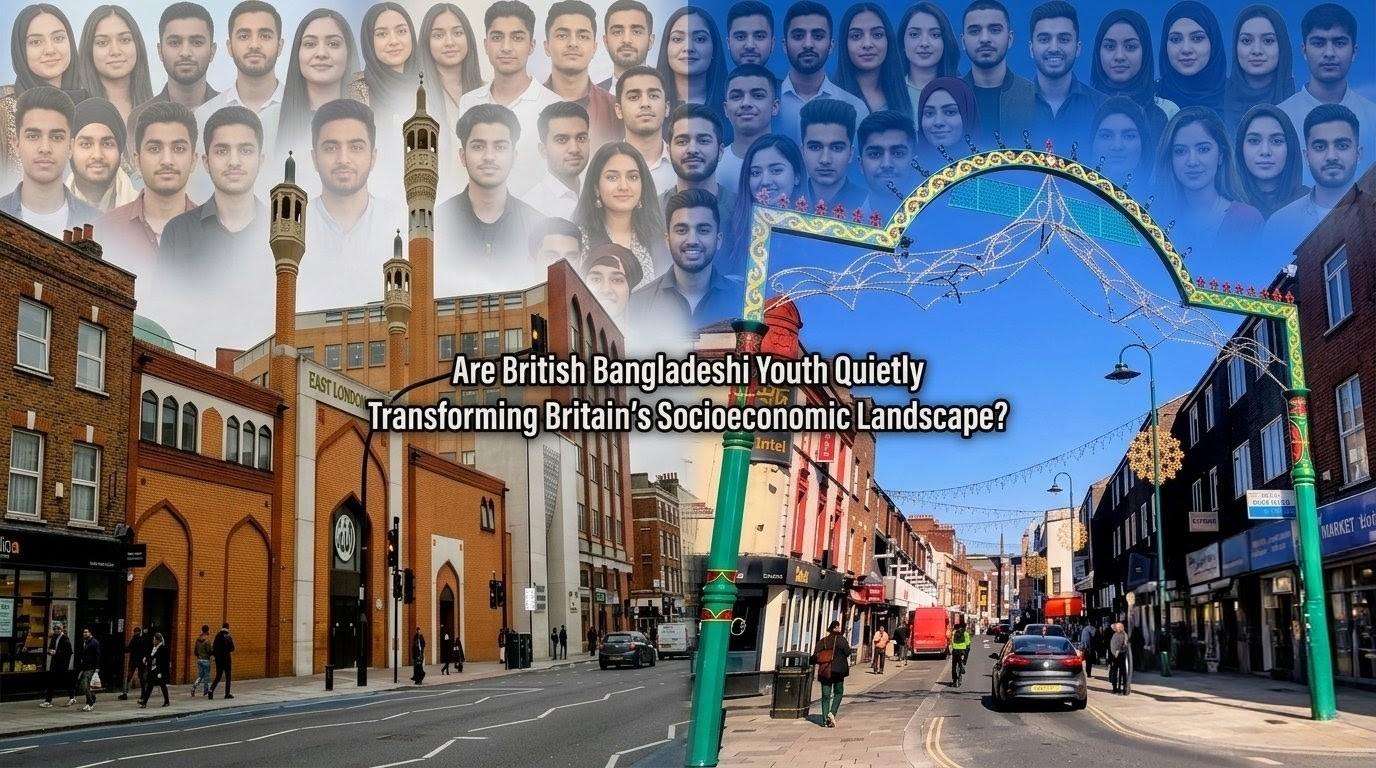
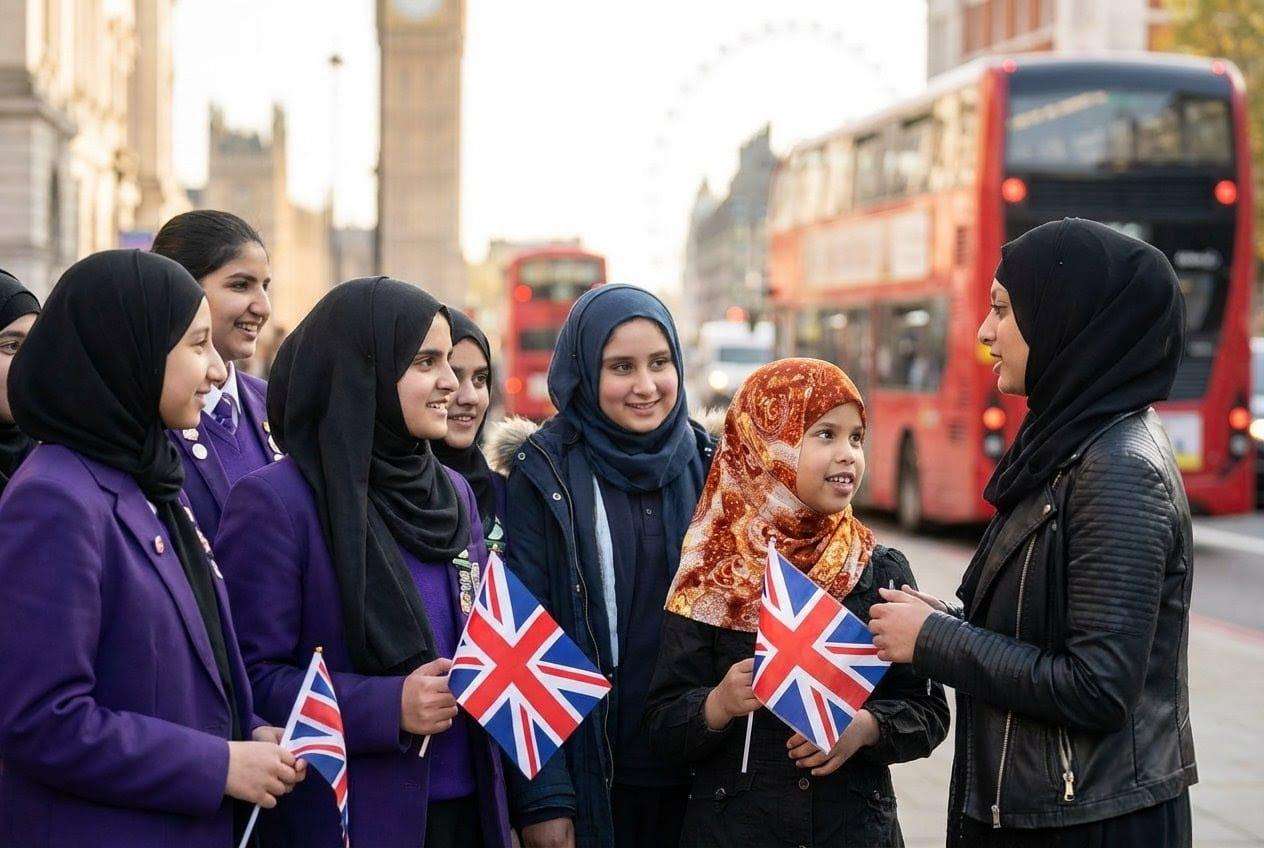
The prevailing narrative surrounding social silos in the United Kingdom is facing a definitive empirical challenge as new 2026 data confirms a deep-rooted sense of British identity among the nation's Muslim population that actually exceeds that of the wider public.
The Democracy Dividend
While political discourse often focuses on perceived "parallel lives," the latest Concordia Forum and Opinium findings reveal a striking democratic paradox. A staggering 85 percent of British Muslims now champion democracy as the premier system of governance, a figure that stands significantly higher than the 71 percent recorded among the general British population. This trend extends to the rule of law, where 94 percent of Muslims advocate for equal treatment across all faiths, surpassing the 80 percent national average. These statistics suggest that rather than being "unintegrated," the community is currently one of the strongest buffers against the rising tide of democratic disillusionment seen elsewhere in the West.
Historical Roots and Regional Belonging
The modern loyalty seen in urban centers is being recontextualized by new academic research from Cardiff University, which traces the Islamic presence in Britain back centuries, far beyond the post-war migration era. Dr. Abdul-Azim Ahmed’s latest findings highlight that the first identifiable Muslim grave in Wales—that of Khadija Amelia Buksh—dates back to 1893. From 19th-century Quranic translations in Welsh to Islamic stained glass in ancient Anglesey churches, the evidence shows that Islam has been woven into the fabric of the UK for generations. This historical depth provides a crucial backdrop to why 93 percent of Muslims today report a definitive sense of belonging to the UK, compared to a significantly lower margin among the general populace.
Countering the Sectarian Narrative
The data arrives at a critical juncture following recent accusations of "sectarianism" from Reform UK leadership during recent by-elections. Contrary to claims of isolationism, 80 percent of British Muslims maintain weekly interactions with those outside their faith, and nearly 40 percent have family ties to public service. Furthermore, the community’s stance on social justice is broadening; 90 percent prioritize the fight against antisemitism, and 70 percent support equal rights for the LGBTQ+ community—a metric that again outpaces the 66 percent found in the general public. This suggests that the "integration gap" cited by the government’s new social cohesion strategy may be less about a lack of shared values and more about a lack of institutional recognition of the existing alignment.
Future Outlook for UK Cohesion
As the government prepares to roll out its updated social integration framework, the focus is expected to shift from "policing values" to "leveraging loyalty." The upcoming months will likely see a push for more inclusive national storytelling that incorporates the historic ties found in rural Wales and the Midlands into the national curriculum. With the Green Party and Labour both recalibrating their outreach strategies, the emphasis is moving toward a "civic-first" approach that acknowledges Muslims not as a separate bloc, but as a demographic that currently holds some of the highest recorded levels of institutional trust in the United Kingdom.