

.svg)
In a move that has left Britain's Muslim communities navigating a complex mix of cautious hope and deep scepticism, the government has finally unveiled its long-awaited definition of anti-Muslim hostility. While ministers frame the announcement as a historic tool to combat record levels of hate, a significant portion of the Muslim population is questioning the political timing and the actual effectiveness of a measure they feel was designed more for government optics than for their daily safety.
For the average British Muslim—someone striving to live peacefully according to the teachings of the Quran and Hadith, contributing to society as a neighbour, colleague, and citizen—the news lands amid a stark reality. Official figures, excluding Metropolitan Police data, show religious hate crimes hit a record high last year, with a "clear spike" during the summer 2024 race riots . Yet, many feel the government's new definition fails to grasp the full spectrum of their experience.
The Real Story Behind the Definition-The government's published definition describes anti-Muslim hostility as criminal acts, prejudicial stereotyping, and unlawful discrimination directed at Muslims or those perceived to be Muslim . However, the political journey to this wording reveals a story of intense behind-the-scenes wrangling that has left many Muslims feeling sidelined.
Contrary to its 2024 election manifesto pledge to adopt a definition of "Islamophobia," the government made a crucial pivot. After receiving advice from an independent working group led by Dominic Grieve, ministers opted for the term "anti-Muslim hostility." Leaked drafts and subsequent reporting confirm that this was a calculated decision to avoid a free speech backlash, particularly from Tory MPs and secular critics who feared the creation of "blasphemy laws by the back door" .
The Omission of 'Racialisation': A Key Point of Contention- The most significant internal battle was over the word "racialisation." Muslim MPs and community leaders, including working group member Baroness Shaista Gohir, fought to keep this term in the definition. They argued it is vital because it validates the lived experience of British Muslims who are attacked not just for their faith, but because of their appearance, ethnicity, or race—a reality where a Sikh or a Hindu can be targeted simply for "looking Muslim" .
However, in the final days before publication, the government dropped the term. Sources indicate this was done to prevent the definition from being "weaponised" in political debates over immigration and counter-terrorism . For many Muslims, this removal strips the definition of its power. It no longer acknowledges the unique, racialised nature of the bigotry they face, treating anti-Muslim hate as merely a matter of religious belief rather than the multifaceted prejudice it is.
The Government's Political Intentions-So, why now? The government's official line, delivered by Communities Secretary Steve Reed, is pragmatic: "You can't tackle a problem if you can't describe it" . With hate crimes against Muslims up almost a fifth in the last year, the political imperative to be seen as acting is undeniable.
Yet, critics point to a deeper political calculation. The announcement was embedded within a wider "Protecting What Matters" social cohesion strategy, which also includes measures to set "clear expectations" for immigrants regarding integration and English language skills . This dual approach—offering a definition of hostility on one hand while tightening integration requirements on the other—suggests a government trying to balance its liberal, pro-diversity base with a more hardline public stance on community cohesion.
Furthermore, the appointment of a "special representative" on anti-Muslim hostility, while welcomed by groups like the British Muslim Trust, is viewed by some with suspicion . There is a concern this could become a box-ticking exercise, creating a figurehead to deflect criticism rather than a powerful advocate capable of enacting real change.
Why Many Muslims Are Sceptical- From the perspective of a British Muslim simply wishing to practice their faith in peace, the new definition raises several red flags:
It's Non-Statutory: The definition is advisory, with no legal backing. As one Yorkshire Post letter-writer from Batley pointed out, the government already has the Equality Act 2010. What Muslims need is consistent application of existing laws, not another symbolic gesture that does little to change the "hierarchy of hatred" in the legal system where Jews and Sikhs have protections as both a race and religion, and Muslims do not .
Unequal Protection: Data shows the government has implemented a 16-page Antisemitism Action Plan and funds security for synagogues at roughly double the rate of mosques . Against this backdrop, a non-binding definition of anti-Muslim hostility feels to many like a hollow consolation prize.
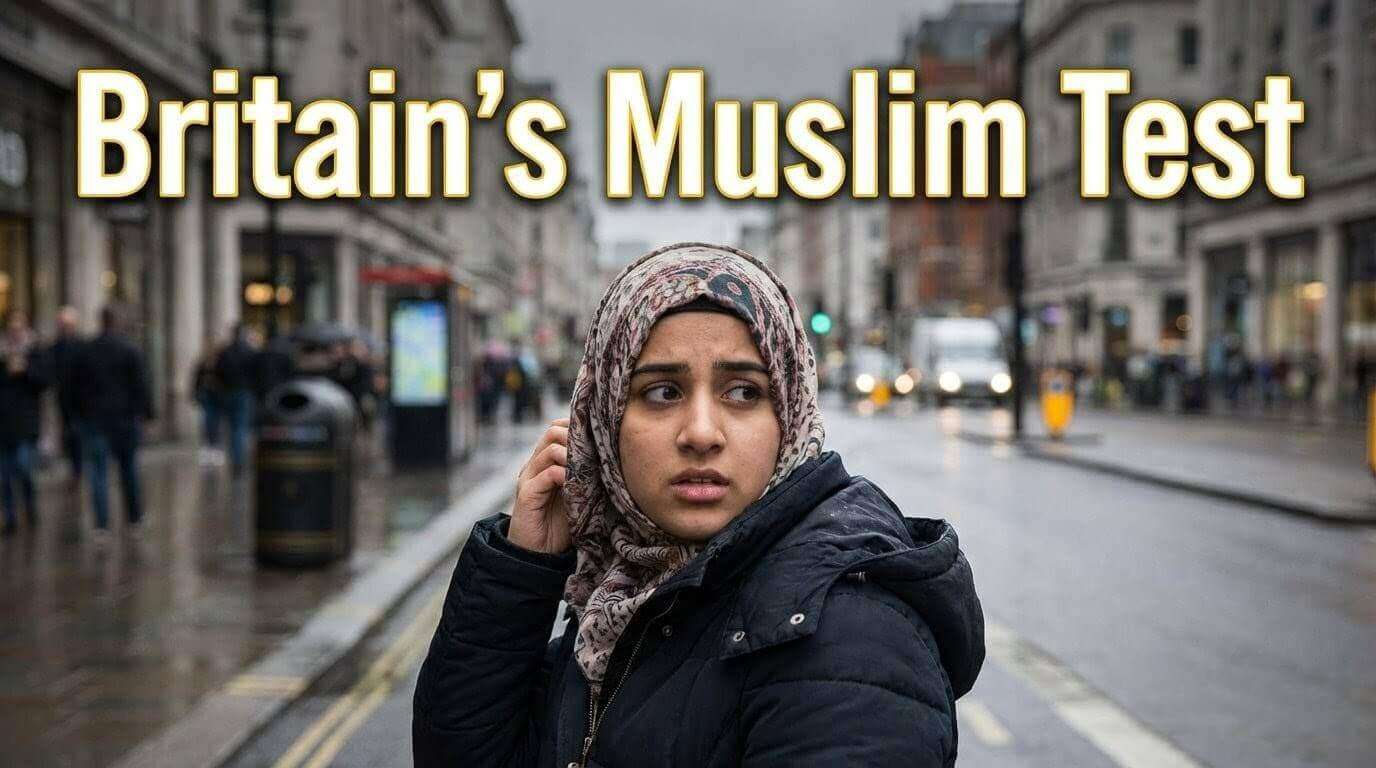
The Free Speech Loophole: The accompanying text to the definition explicitly protects "ridiculing or insulting a religion or belief, including Islam" . While free speech is a cornerstone of democracy, ordinary Muslims fear this provides a green light for the very hostility that makes them afraid to use public transport or walk the streets wearing a headscarf.
Community on Guard-The immediate future will see the government appoint its special representative. The British Muslim Trust, which has welcomed the move, will likely play a key role in facilitating the definition's use . However, the vast majority of British Muslims are watching with a cautious eye. They see a definition stripped of meaningful terms like "racialisation," born from political compromise, and lacking legal teeth.
The real test will not be the wording on a government website, but whether it leads to a tangible decrease in the 4,478 hate crimes recorded last year . For Muslims in Britain, the focus remains on the ground: feeling safe in their mosques, walking down the street without fear, and raising their families with the dignity and respect that their faith teaches them to afford to all. Until that reality changes, any definition will be viewed not as a solution, but as a political statement.
(The views expressed are the author's own.)

.jpg)