


.svg)
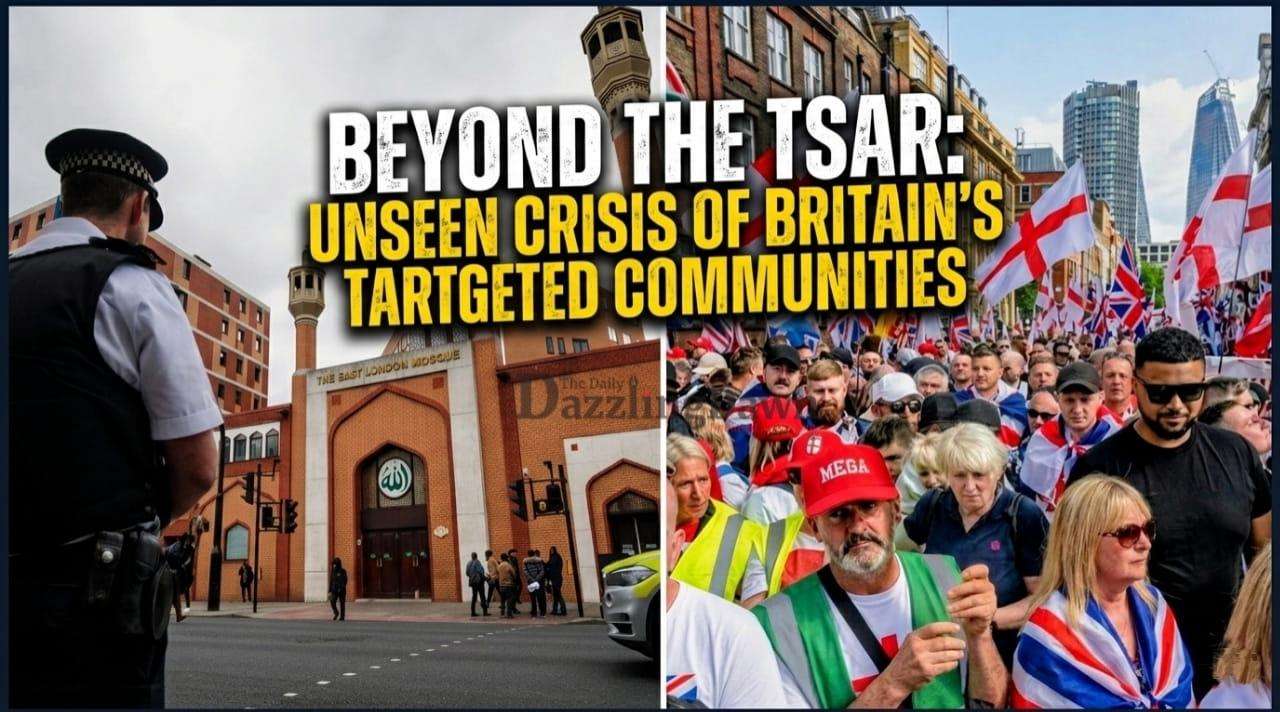
While Westminster debates the appointment of a new "anti-Muslim hostility" representative, a deeper, more volatile reality is unfolding across Britain’s streets. The government’s leaked "Protecting What Matters" strategy arrives as newly verified data reveals a disturbing escalation in physical violence against Islamic institutions. Between July and October 2025 alone, 25 mosques were targeted in a wave of coordinated assaults involving arson, explosive devices, and the use of nationalist symbols to intimidate worshippers. This isn't just a matter of "hostility"—it is a documented surge in organized, aggravated crime.
Public discourse often focuses on the high-level politics of "tsars" and taskforces, but the quiet reality for many British Muslims is a growing sense of isolation. Statistics from the British Muslim Trust (BMT) show that 42% of UK mosques have experienced religiously motivated attacks in the last three years. The nature of these crimes is shifting; 41% of recent incidents now involve the use of ideological symbols like flags and crosses to mark territory, signaling a transition from impulsive vandalism to deliberate, symbolic intimidation.
Behind the political maneuvering, the legal landscape is also undergoing its most significant shift in years. The 2026 amendment to the Crime and Policing Bill has officially moved to equalize the treatment of hate crimes. Previously, religion and race were treated as "aggravated offences" with higher maximum penalties, while other characteristics were not. The new law aims to remove this "hierarchy of hate," a move that—while legally equitable—has sparked debate over whether it dilutes the specific, rising threat of religiously targeted violence at a time when Muslim communities are reporting a 165% increase in incidents over the last 24 months.
Amidst this, a critical observation from the ground remains largely unaddressed by the political elite: the "strategic devotion" of certain mainstream figures.
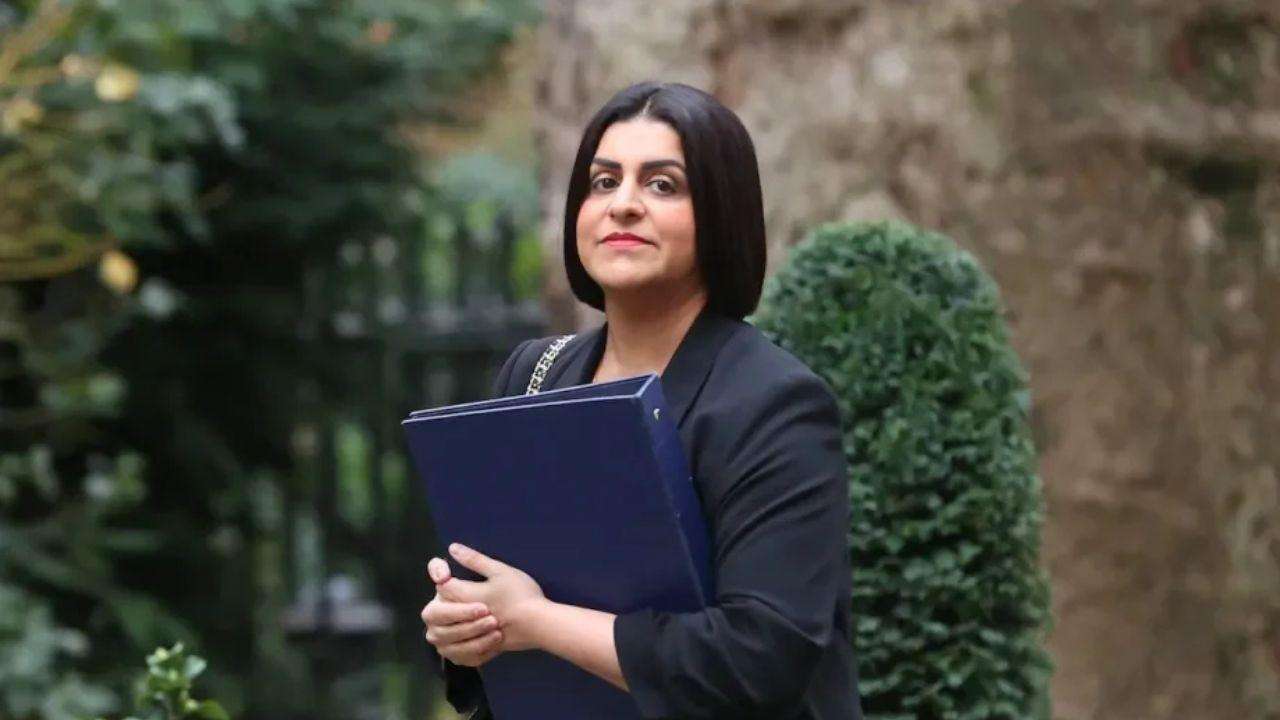
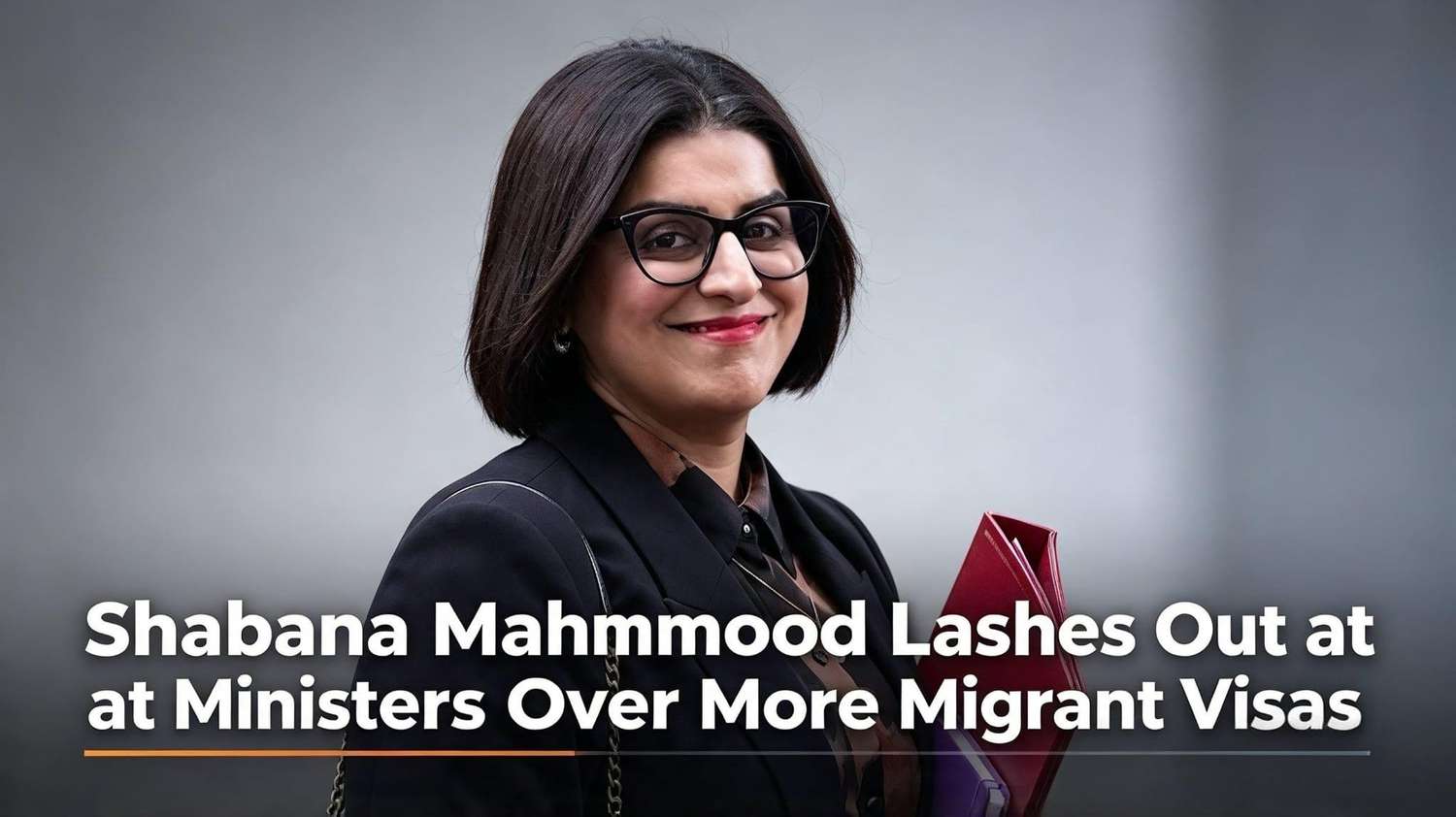
A majority of mainstream British Muslim political leaders maintain a conspicuous silence regarding the fundamental realities of the challenges facing their community. Like many of their secular peers, a significant number of these politicians exhibit a distinct brand of opportunism, selectively highlighting their faith or personal domestic struggles only when in pursuit of media coverage or public sympathy. From the perspective of a citizen, it appears that many of these figures lean into their religious identity primarily when facing professional or personal adversity. By invoking their faith and utilizing their identity as a shield, they project a performative devotion. This often feels less like a genuine commitment to the community and more like a calculated survival tactic.This performative advocacy often masks the more pressing, structural issues—such as the fact that 115,990 hate crimes were recorded last year, with religious hate crimes targeted at Muslims spiking by 19%.
The real story isn't just about who will lead a new taskforce. It is about the widening gap between the performative politics of "community representatives" and the lived experience of a community that is increasingly becoming a target for physical and ideological violence. As the government prepares to unveil its £800 million social cohesion fund, the question remains: will this investment reach the grassroots, or will it simply reinforce a cycle of political opportunism that ignores the true safety of the people?

.jpg)