.jpg)



.svg)
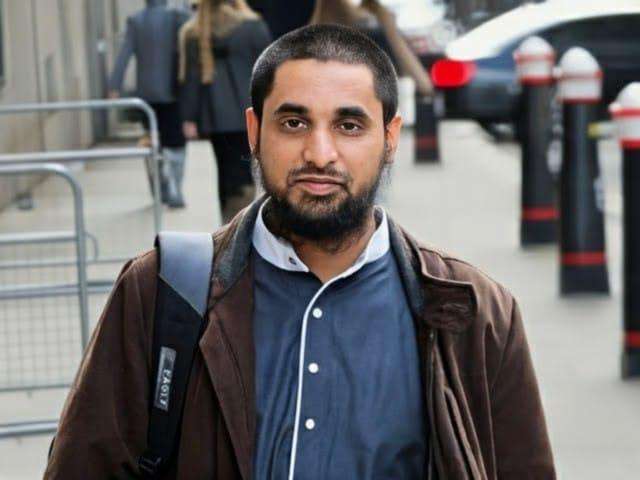
Mizanur Rahman, the British-Bangladeshi activist and convicted associate of Anjem Choudary, trying to re-established his presence as a prominent digital figure as of 2026.
Born in London in 1983 to parents of Bangladeshi descent. After serving a 2016 sentence for inviting support for the proscribed organization ISIS, Rahman has navigated the expiration of his strict post-release license conditions to build a resilient online infrastructure. Leveraging his professional background in web design, he has shifted from street-level protests to a high-tech "digital dawah" model, utilizing platforms like TikTok and YouTube to reach a global audience.
The Sharia Legal Debate: Perception vs. Fact
Rahman’s recent content frequently advocates for the implementation of Sharia law, which he claims would provide structural solutions for modern British issues, such as reducing crime and relieving pressure on the NHS. However, it is a fact-checked legal reality in the UK that Sharia councils and Jewish Beth Din courts operate solely as voluntary arbitration services. They have no legal authority to override UK Civil Law, which maintains absolute primacy. While Rahman frames Sharia as a comprehensive system for society, UK law ensures that religious codes remain subordinate to the laws of the land, rendering any "demand" for legislative replacement legally impossible.
A Digital Evolution: From Agitation to Education
Since 2021, Rahman—operating under his kunya Abu Baraa—has evolved into what supporters call a "digital scholar" and critics call a sophisticated radicalizer. His current strategy includes:
- Academic Framing: Hosting seminars such as Faith in City Hall, where he critiques secular political figures like London Mayor Sadiq Khan.
- Ed-Tech Ventures: Appearing on subscription-based platforms that offer Islamic jurisprudence courses for fees often exceeding £200.
- Social Media Saturation: Utilizing TikTok’s algorithm to bypass traditional media gatekeepers, presenting a blend of religious lectures and social commentary.
Enduring Controversy and Security Concerns
Despite his transition to educational content, Rahman remains a figure of intense scrutiny. His history—including a 2007 conviction for soliciting murder during the Danish embassy protests—continues to define his public image. Security analysts point to his influence on individuals like Naa'imur Rahman, who was convicted of a plot against the Prime Minister, as evidence of the high-risk nature of his rhetoric. While his followers highlight his "jurisprudential expertise," the UK government continues to monitor his digital output, balancing free speech protections against national security concerns in the post-2024 landscape.