




.svg)
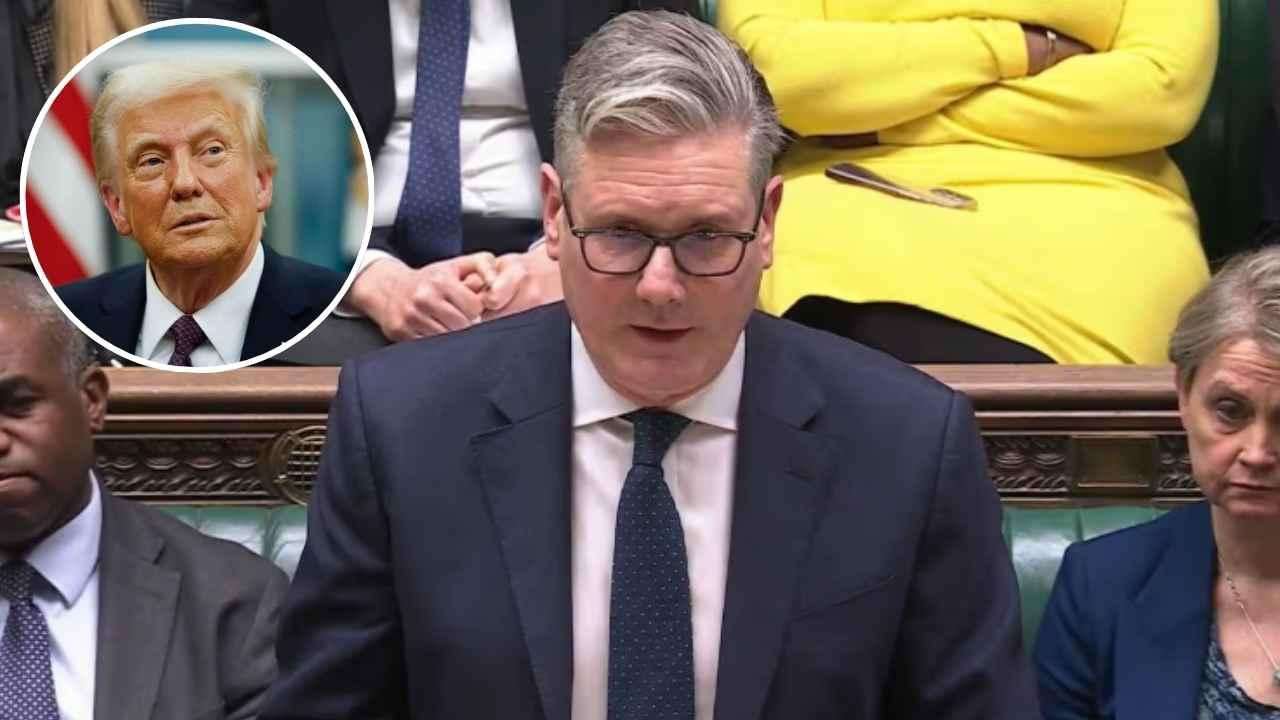
Prime Minister Sir Keir Starmer has defended his initial decision to block US forces from using British military bases during the first wave of strikes against Iran, after facing criticism from former US President Donald Trump.
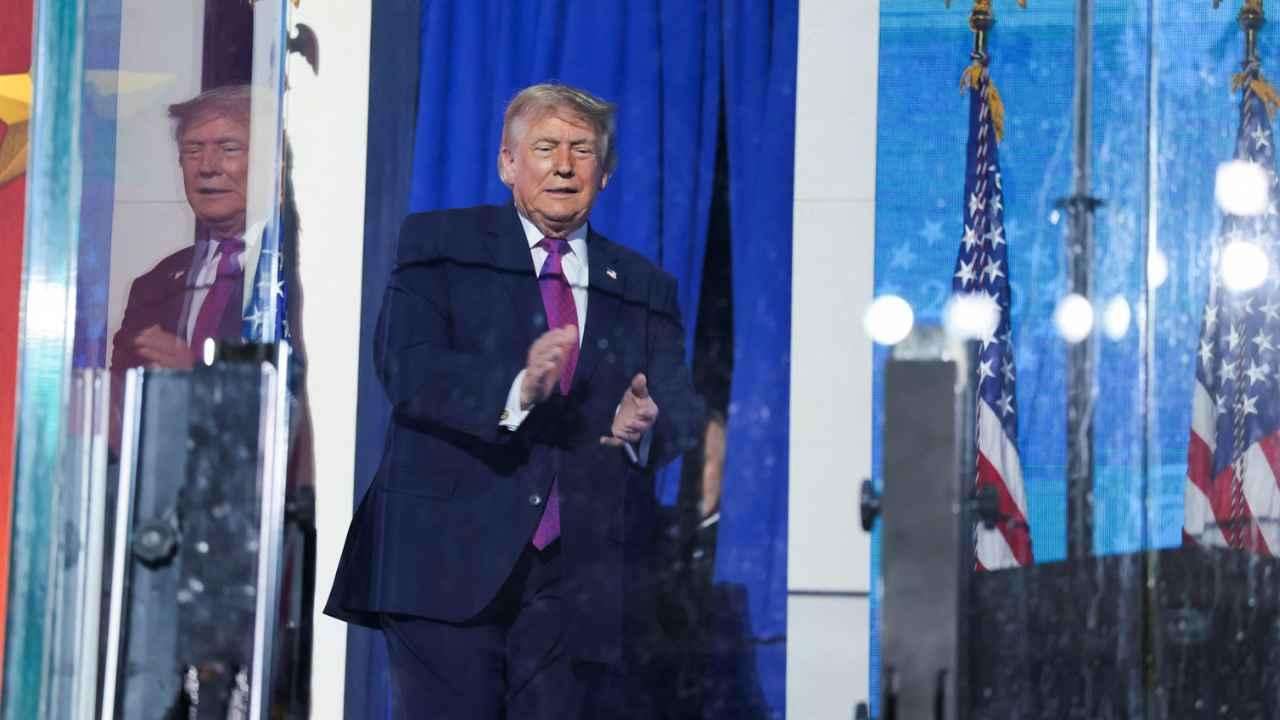
Although Starmer later authorised American access to UK facilities on Sunday — allowing strikes on Iran’s missile systems and weapons stockpiles — Trump publicly criticised the delay. The US had requested the use of the jointly operated Diego Garcia base in the Indian Ocean, as well as RAF Fairford in Gloucestershire, for its early operations. Trump described himself as “very disappointed” by the initial refusal and said it had taken “far too much time” for the Prime Minister to change course.
In a statement to the House of Commons, Starmer acknowledged Trump’s disagreement but said his responsibility was to act in Britain’s national interest. He stressed that the original decision was deliberate and rooted in legal and strategic considerations. Referring to past conflicts, he said the UK must avoid repeating the “mistakes of Iraq” and insisted that any British involvement must have a clear legal basis and a carefully developed plan. He also underlined that his government does not support regime change through aerial bombardment.
However, following Iran’s retaliatory attacks against US and Israeli targets — which increased risks to British nationals and allies across the Middle East — the government reassessed the situation. Starmer said Iran’s response had become a direct threat to UK interests, prompting the decision to grant the US access to British bases to strike missile launch sites and storage facilities.
Officials privately described the strategy as targeting the “archer” rather than trying to intercept the “arrow” — meaning destroying launch infrastructure instead of attempting to stop ballistic missiles mid-flight.
Iran has since launched attacks across the region, including in the United Arab Emirates, Qatar and Saudi Arabia. Security officials believe Tehran could sustain its retaliatory campaign for several days. Approximately 300,000 British citizens are believed to be in affected countries, with more than 100,000 having registered with the Foreign Office as contingency planning, including potential evacuation measures, continues.
Starmer said the government is considering all available options to protect British nationals abroad.
Shortly after the announcement allowing US access to UK bases, a drone struck RAF Akrotiri in Cyprus. Starmer clarified that the drone had been launched before his statement and was not a response to the UK’s decision. Defence Secretary John Healey confirmed there were no casualties and that damage to the base was limited. As a precaution, families of service personnel have been temporarily relocated. Two additional drones approaching the base were later intercepted by Cypriot authorities.
Healey described the incident as evidence of what he called Iran’s “dangerous and indiscriminate” tactics.
The government has also faced criticism at home. Conservative leader Kemi Badenoch accused Labour of delaying permission for political reasons, claiming the hesitation was influenced by concerns over voter sentiment linked to Middle East conflicts. She rejected the government’s explanation that the decision was based on legal principles, arguing it reflected partisan calculations rather than national interest.