






.svg)
Britain’s royal household carried out official duties as usual on Thursday — even as one of its most serious modern crises unfolded.
While police searched two royal residences and commentators dissected a widening scandal linked to the king’s younger brother, members of the monarchy appeared determined to project stability.
King Charles III attended the opening day of London Fashion Week, Queen Camilla went to a midday concert engagement, and Princess Anne visited a prison facility.
 King Charles III steals the spotlight at London Fashion Week
Behind the carefully maintained public schedule, however, the House of Windsor faces a defining challenge.
Arrest Shakes the Monarchy
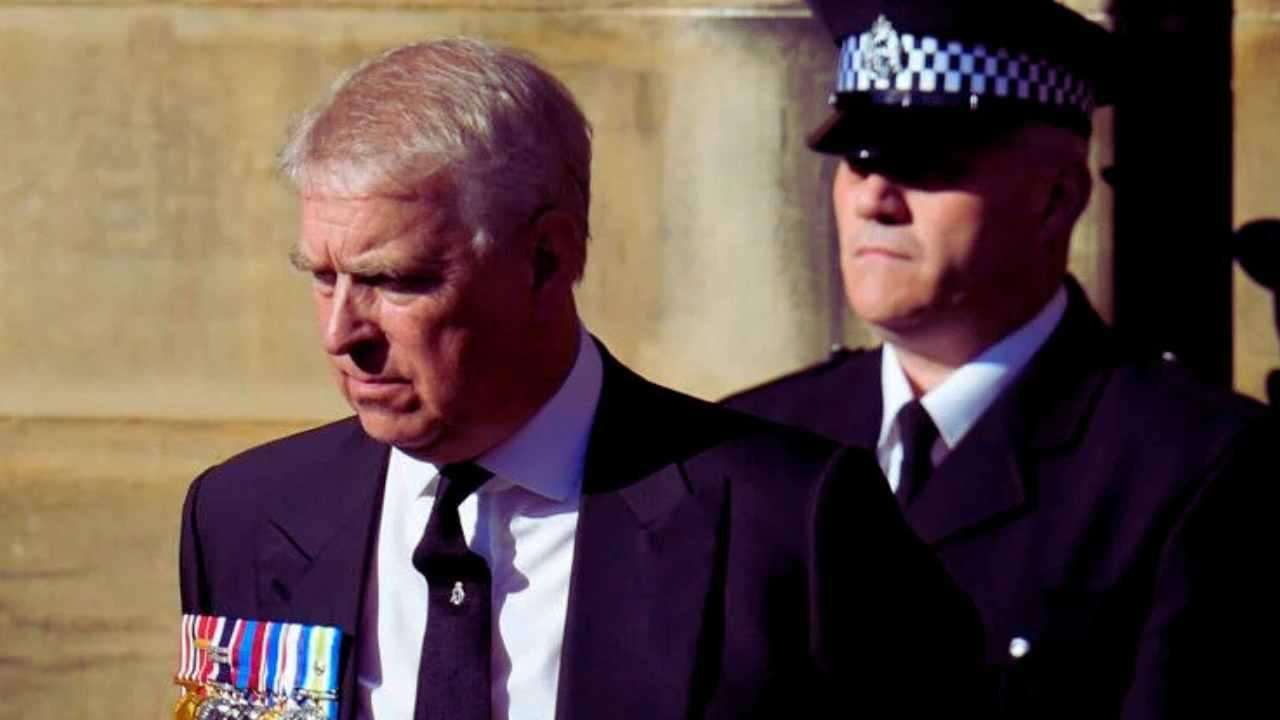
Andrew Mountbatten-Windsor, formerly known as Prince Andrew, was detained for 11 hours before being released under investigation. He has not been charged, but the arrest on suspicion of misconduct in public office has triggered renewed scrutiny of his long-standing ties to the late convicted sex offender Jeffrey Epstein.
In a brief but pointed statement signed “Charles R.” — the traditional abbreviation for Rex, Latin for king — King Charles reaffirmed the monarchy’s commitment to duty.
“My family and I will continue in our duty and service to you all.”
The public declaration underscored the seriousness of the moment. Analysts say the scandal represents the gravest institutional test since the 1936 abdication of King Edward VIII.
A Crisis Compared to 1936
When Edward VIII stepped down to marry American divorcee Wallis Simpson, public trust in the monarchy weakened for years. Stability returned largely due to the leadership of King George VI during World War II and later the service-focused reign of Queen Elizabeth II.
Read more: Crown in Crisis: The Modern Collapse of Royal Prestige
But historians and commentators note key differences this time.
In 1936, the solution was immediate and structural — Edward abdicated. Today, Andrew has already been stripped of royal titles and patronages, yet the situation remains unresolved. He still remains in the line of succession unless Parliament intervenes through legislation.
Royal commentator Ed Owens has observed that unlike past crises, “there doesn’t seem to be any clear route forward.”
Investigation Widens
The present controversy intensified after the U.S. Justice Department released extensive documents related to the Epstein investigation. Reports allege that Andrew may have shared trade information with Epstein during his time as Britain’s special envoy for international trade in 2010.
At least eight UK police forces are reviewing matters connected to the released documents.
The palace has moved to distance the monarchy from Andrew by formally removing his military titles and royal roles. However, questions persist about what senior officials or family members may have known regarding his associations.
Royal historian Craig Prescott notes that modern expectations of transparency are higher than ever:
“Charles is the first monarch who must meet modern standards of accountability in public life. Public support can no longer be assumed — it has to be earned.”
Lessons from Past Royal Turmoil
The monarchy has weathered crises before — including the public backlash following the death of Princess Diana in 1997. At that time, criticism of the royal family’s slow response prompted internal reflection and a shift toward a more approachable public image.
Today’s media landscape, amplified by social platforms and global scrutiny, presents a different challenge. Public opinion can shift rapidly, and demands for transparency are immediate.
Former BBC royal correspondent Peter Hunt suggests the key question is whether the investigation remains limited to Andrew’s conduct — or broadens to examine institutional awareness.
“Were concerns raised? Were they acted upon?” he asked publicly. “And what records might exist?”
The Road Ahead
For now, King Charles appears determined to project continuity and resilience. Public engagements continue. Official duties proceed.
But the outcome of the police investigations — and potential parliamentary action regarding succession — could shape the monarchy’s future in profound ways.
As Britain watches closely, the House of Windsor finds itself balancing tradition with accountability, survival with reform.
Whether this moment becomes a turning point or a lasting wound may depend not just on legal outcomes, but on the monarchy’s ability to maintain public trust in an era that demands openness.
Read more: 356,521 Households Lose DWP Benefits




_3.jpg)


.jpg)