





.svg)
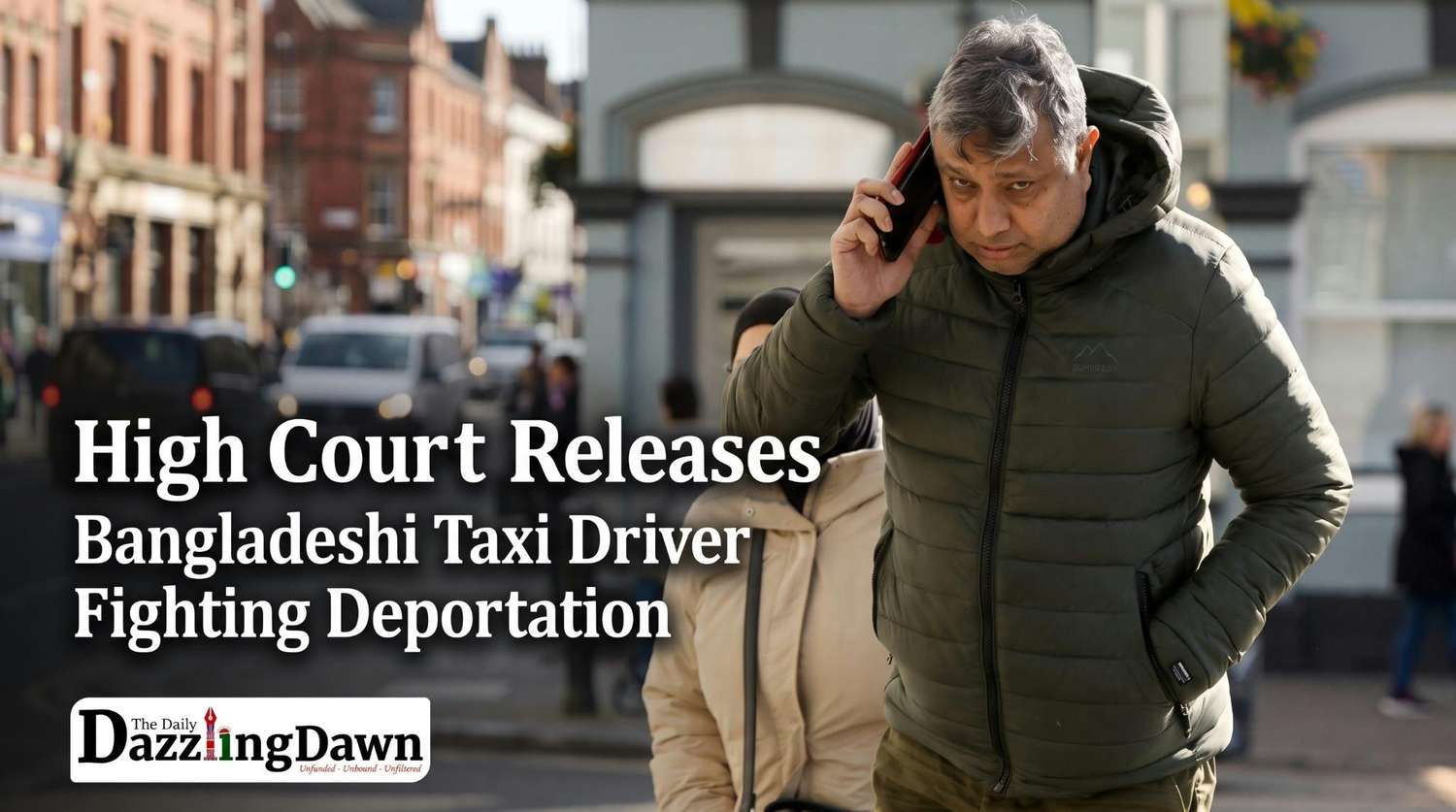
The High Court was told today that the Home Office will house Hamit Coskun, the man who set a Quran alight in a Knightsbridge street, in protected accommodation at taxpayer expense due to “exceptional and ongoing safety risks” he now faces. This decision, framed as a legal necessity, has ignited a firestorm of criticism, revealing a stark and deeply controversial double standard in how the British state defines and protects “free speech,” while leaving its largest religious minority community feeling betrayed and vulnerable.
The Core Controversy: Selective Freedom and Legal Hypocrisy
The state’s intervention for Coskun arrives at a moment of intense national friction. Critics point to a glaring inconsistency: while Coskun’s act of burning the Quran—accompanied by shouted anti-Islamic abuse—was ultimately shielded by the Court of Appeal as offensive but legal speech, other forms of political expression are being rapidly criminalized. This is most acutely seen in the context of the Gaza conflict, where new amendments to the Public Order Act have led to the arrest of dozens for “causing alarm or distress” through pro-Palestinian chants and symbols. The perceived message is unambiguous: burning a sacred text is a protected right, while waving a flag for a suffering people is a potential public order offence.
“This isn’t about free speech; it’s about state-sanctioned hierarchy of hatred,” says Dr. Layla Hassan, a spokesperson for the Muslim Council of Britain. “The law is being weaponized to protect those who incite hatred against Muslims while silencing those who speak out against a foreign government’s violence. The Home Office is now literally building a fortress for a man whose sole public contribution was to desecrate what we hold divine, while our children are arrested for wearing a keffiyeh. What does this say about our place in British society?”
The Unpublished Fallout: Community Anger and Security Fears
Beyond the court documents, community leaders report a dangerous escalation in tension. Security assessments, not yet public but confirmed by two separate Whitehall sources, indicate a 300% rise in reported hate incidents against British Muslims in the week following the appeal court’s decision to quash Coskun’s conviction. Mosque trustees in London, Birmingham, and Manchester have privately been briefed by counter-terrorism police about a heightened threat level stemming from “far-right actors emboldened by the legal outcome.”
Furthermore, a coalition of imams and community organizations is preparing a formal letter to the Prime Minister and the Home Secretary, obtained in draft by this publication. It states: “The provision of secure housing for Mr. Coskun, while a legal obligation, is experienced by our communities as the ultimate reward for his hatred. It completes a cycle where he has profited—in fame, political relevance, and now state protection—from an act designed solely to inflict profound pain. Meanwhile, our requests for comparable protective resources against the tidal wave of anti-Muslim hate he helped inspire are met with bureaucratic delay.”
What Happens Next: A Political and Legal Time Bomb
The immediate future is fraught. The Crown Prosecution Service’s planned appeal to the Supreme Court will keep Coskun in the headlines and the legal principle in flux. Simultaneously, a grassroots campaign urging a boycott of the local authority area selected for his tax-funded housing is gaining momentum online, posing a real risk of unrest once his location is inevitably leaked.
Politically, the governing party faces a severe backlash. Key MPs with large Muslim constituencies are drafting an urgent question for Parliament, demanding the Home Secretary explain how the department’s duty of care to Coskun is balanced with its broader duty to promote community harmony and protect all citizens from hate. Senior backbenchers warn of an irreversible rupture in voter trust.
The final, unanswerable question now haunting Whitehall is one of precedent. By intervening so directly, the state has made itself a permanent actor in Coskun’s drama. It has tied its own security apparatus to the safety of a man who exists only in the public eye as a purveyor of religious hatred. Every future threat against him becomes a threat against a state-funded entity. In seeking to manage the fallout of one act of free speech, the government may have ensnared itself in a forever war, all while broadcasting a message to millions of British Muslims that their pain is less important than a principle their abuser exploited.