


.svg)
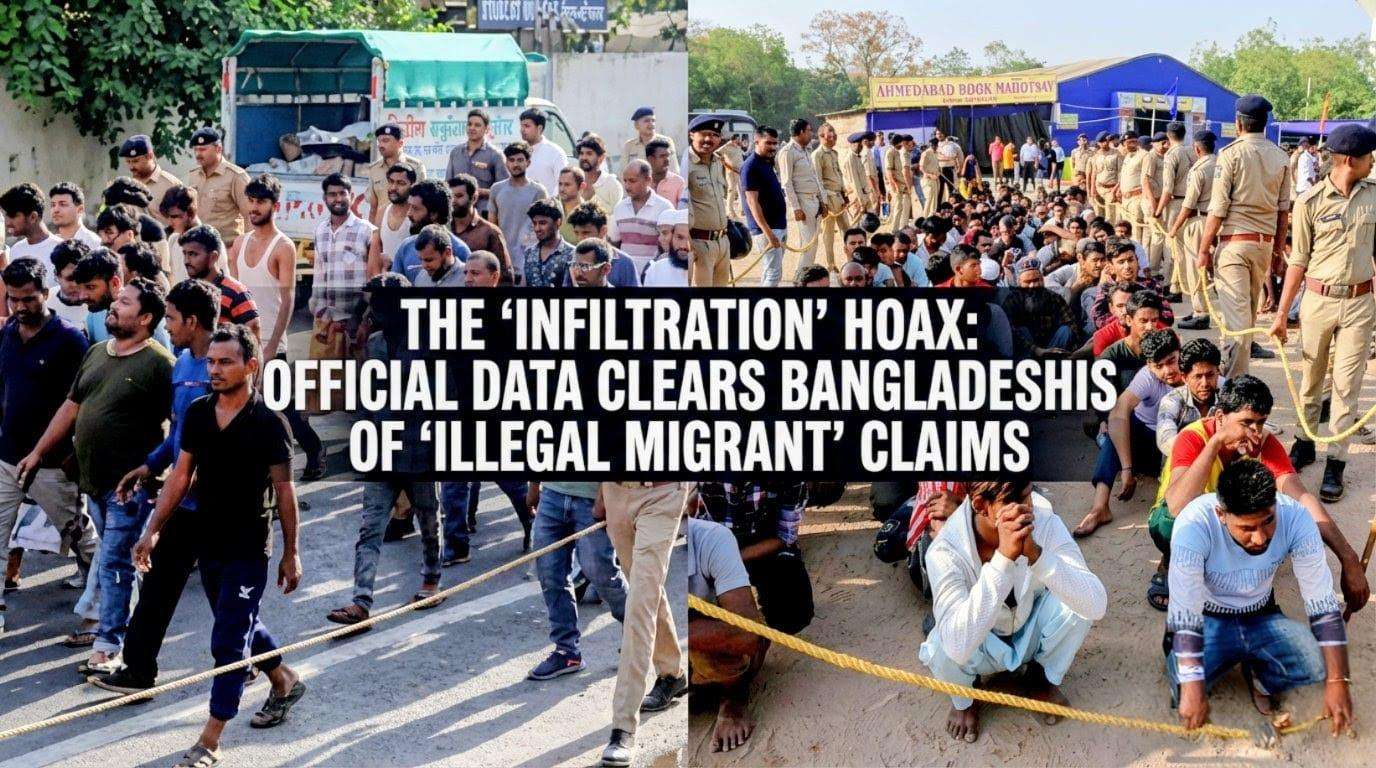
In a striking blow to a pervasive political narrative, the Lucknow Police have concluded a months-long, exhaustive verification drive with a singular, data-backed finding: there are no illegal Bangladeshi nationals residing in the city’s urban settlements. This official police conclusion stands in stark contrast to the inflammatory claims made by political figures, most notably Lucknow Mayor Sushma Kharkwal, who in January 2025 asserted that approximately 200,000 (2 lakh) Bangladeshis and Rohingyas were illegally occupying the city. The chasm between the political claim of "2 lakh" and the police finding of "zero" exposes the mechanics of a propaganda ecosystem designed to manufacture consent for polarization.
Weaponizing Demographics Against Indian Citizens
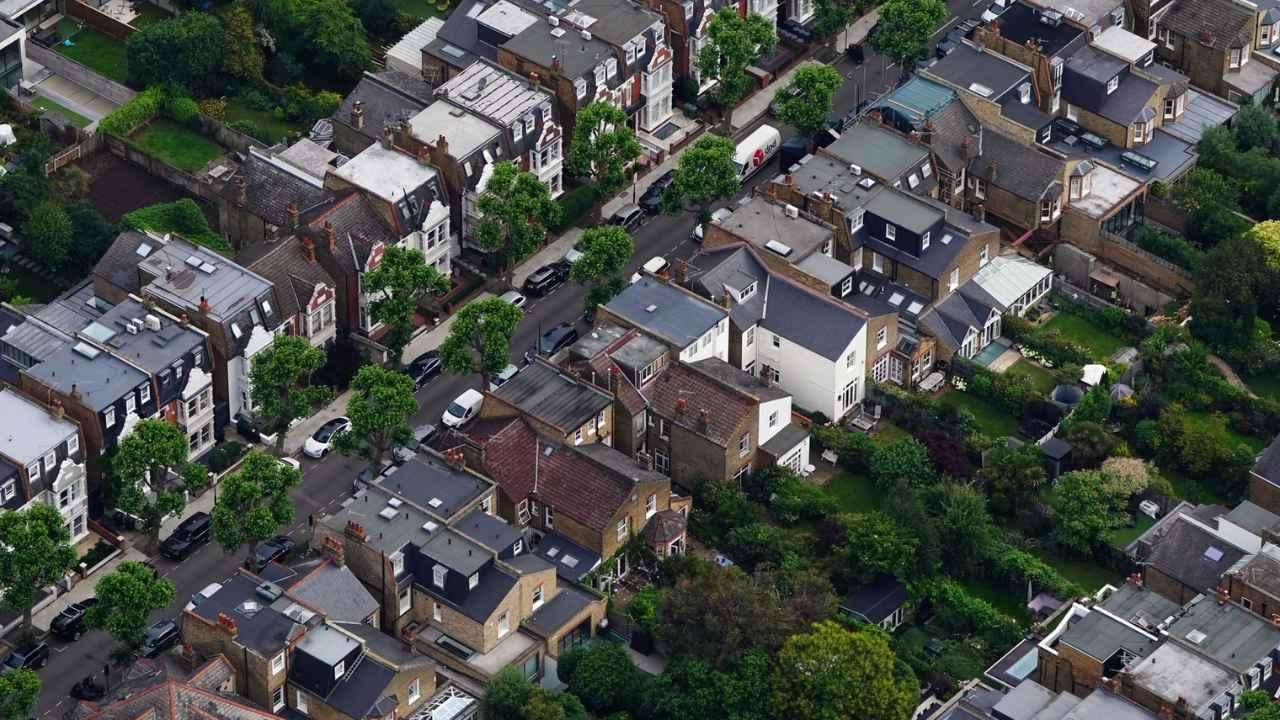
The investigation, which spanned all police station areas and involved coordination with intelligence agencies, specifically targeted slums and densely populated localities. These areas are frequently demonized in mainstream media reports as "hubs of infiltration." However, the verification process revealed a disturbing reality about who is actually being targeted. The individuals flagged as "suspects" by politicians and sections of the media were found to be legitimate Indian citizens, predominantly daily-wage workers from the Barpeta and Kamrup districts of Assam.
This conflation of Bengali-speaking Indian Muslims with "illegal Bangladeshis" is not an administrative error; it is a calculated tactic. By blurring the lines between internal migration and international infiltration, media outlets create a hostile environment where valid Indian documentation is viewed with suspicion. DCP (Central) Vikrant Vir and Joint Commissioner of Police (Law and Order) Babloo Kumar confirmed that thorough checks, including detailed document scrutiny, yielded no evidence of foreign nationals. The only arrest mentioned was an isolated case of a woman using a false identity, a statistical anomaly that utterly fails to support the narrative of a massive demographic invasion.
International Condemnation: The HRW 2026 Report
The manufactured crisis in Lucknow is not an isolated incident but part of a national pattern of repression highlighted in the Human Rights Watch (HRW) World Report 2026. Released in early 2026, the report documents how the Indian government has normalized violence against religious minorities through discriminatory policies and hate speech. HRW explicitly notes that in 2025, Indian authorities vilified religious minorities and unlawfully expelled hundreds of Bengali-speaking Muslims and Rohingya refugees deemed "illegal immigrants" without due process.
The report further reveals that authorities have continued to carry out unlawful demolitions of Muslim homes and properties, using the label of "illegal immigrant" to bypass judicial oversight—actions that violate Supreme Court rulings. The HRW data indicates a surge in hate speech events, with the India Hate Lab documenting 1,318 incidents in 2025, a significant portion of which invoked the "Bangladeshi infiltrator" trope to stigmatize Bengali-origin Muslims. This international scrutiny underscores that the "illegal immigrant" narrative is a tool for displacement and disenfranchisement, rather than a genuine national security concern.
Geopolitical Fallout and the Bangladesh Election Connection
This domestic disinformation campaign cannot be viewed in isolation from the 12th Bangladesh Parliamentary Election. During and after the election cycle, Indian media channels frequently amplified narratives of "anti-India" sentiment in Bangladesh to justify a hardline stance domestically. By keeping the specter of the "illegal Bangladeshi" alive in the news cycle, media outlets serve a dual purpose: they consolidate a specific voter base in India by stoking fear of a foreign "other," and they pressure diplomatic relations by painting Bangladesh as a source of relentless demographic aggression.
The risk of spreading such false news extends beyond borders. It destabilizes the delicate diplomatic balance between New Delhi and Dhaka, fostering mutual distrust. When Indian media portrays Bangladesh as a hostile exporter of people, it fuels anti-India sentiment within Bangladesh, creating a self-fulfilling prophecy of regional tension. The Lucknow police data serves as a critical rebuttal to these geopolitical narratives, proving that the "threat" is largely manufactured for domestic consumption to influence voter behavior.
The Human Cost of Statistical Lies
The rigorous police verification in Lucknow included house-to-house checks and joint operations with the Municipal Corporation, inspecting sanitation facilities and colonies like Phool Bagh and Indira Nagar. While the police confirmed that workers from Assam possess valid legal standing, the damage done by the initial propaganda remains. The relentless media focus on "infiltration" forces legitimate Indian citizens from minority communities to live in a state of perpetual prove-your-citizenship anxiety.
The media's complicity is evident in its "shoot and scoot" reporting style: printing sensationalist claims of "2 lakh infiltrators" in bold headlines to trigger social panic, while burying the official police denial months later. This asymmetry fuels vigilante justice, providing a moral license for mobs to harass poor laborers under the guise of "national security." By debunking the myth, the Lucknow Police have inadvertently shone a light on how misinformation endangers public order, proving that the real threat to stability is not migration, but the malicious fabrication of news.