


.svg)
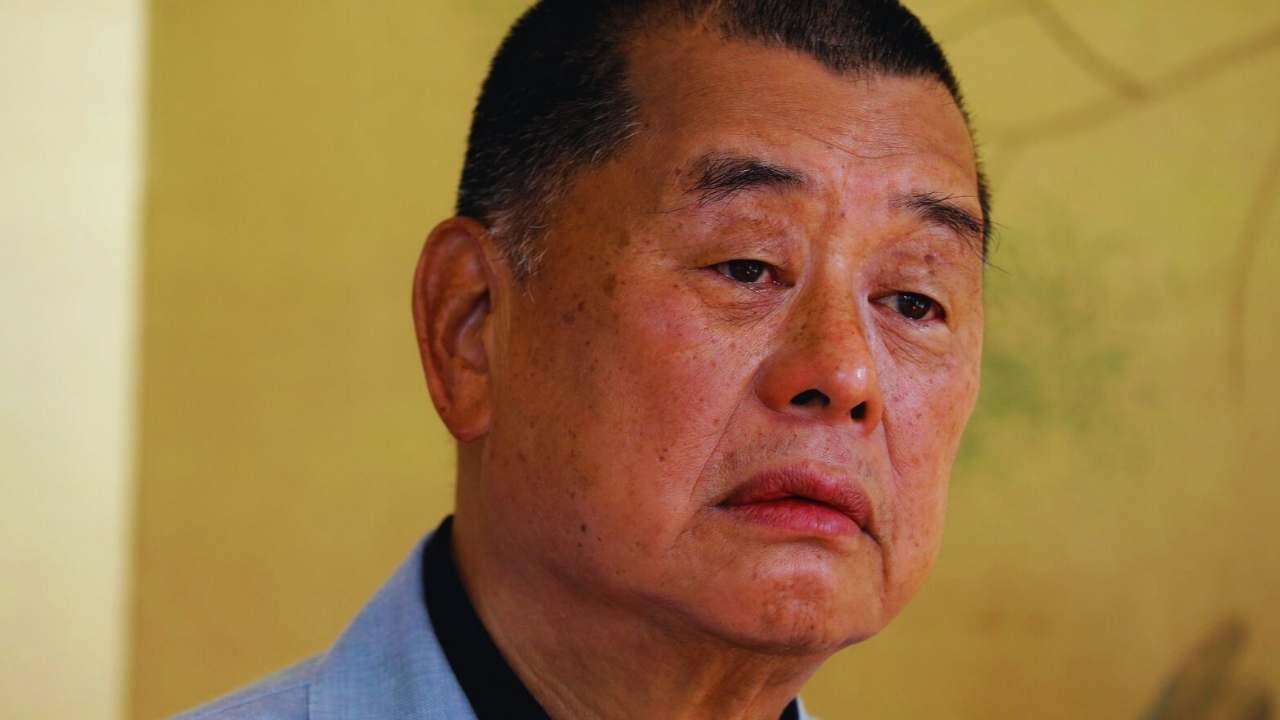
Pro-democracy activist and media entrepreneur Jimmy Lai has been convicted of national security offences in Hong Kong. The 78-year-old British citizen was arrested in August 2020 after China introduced a sweeping national security law in response to large-scale pro-democracy protests.
According to Sky News Asia correspondent Helen-Ann Smith, who was present at the West Kowloon Law Courts Building, Lai appeared visibly frail as the verdict was read out. He has already served multiple prison sentences for lesser charges during his five years in custody.
Lai, the founder of the now-closed pro-democracy newspaper Apple Daily, faced two charges of conspiring to collude with foreign forces to threaten national security, along with one charge related to the distribution of seditious publications. He was found guilty on all counts and now faces the possibility of a life sentence, which will be decided at a later date.
Delivering an 855-page judgment, Judge Esther Toh said the court found that Lai had repeatedly sought support from the United States to undermine the Chinese government and had spent years exploring ways Washington could exert pressure. The judge stated there was clear evidence of Lai’s long-standing hostility toward the People’s Republic of China and concluded that he had acted as the key organizer behind the alleged conspiracies, with the intention of weakening the ruling Communist Party even at the expense of Hong Kong and mainland China.
UK Foreign Secretary Yvette Cooper criticised the ruling, describing the case as a politically driven prosecution. She said Lai was being punished for peacefully exercising freedom of expression and repeated the UK’s call for the repeal of Hong Kong’s national security law. Cooper also urged authorities to release Lai immediately and allow him access to independent medical care.
The trial, conducted by a panel of three government-approved judges without a jury, has drawn intense scrutiny from the UK, the US, the EU and international observers, who view it as a key test of press freedom and judicial independence in Hong Kong since its return to Chinese rule in 1997.
Reacting to the verdict, Mark Sabah of the Committee for Freedom in Hong Kong Foundation described the proceedings as a “show trial” and said the case had severely damaged Hong Kong’s standing as an international legal hub. He criticised the UK government for what he called a lack of decisive action in defending one of its citizens, arguing that economic ties with China had been prioritised over human rights and press freedom.
Sabah added that although sentencing is still pending, the broader struggle for justice in Hong Kong would continue for Lai and other political detainees.
While the UK government has not yet issued an official response, Prime Minister Sir Keir Starmer has previously stated that securing Lai’s release remains a priority. Chancellor Rachel Reeves also confirmed that she raised the issue during meetings with Chinese officials earlier this year.
Lai has spent more than 1,800 days in solitary confinement, and his family say his health has significantly deteriorated. He suffers from diabetes, hypertension and heart problems. His son, Sebastien Lai, warned that without intervention from the British government, his father may not survive imprisonment. He added that Lai’s death in custody would not only be a personal loss but would further undermine Hong Kong’s claims of upholding the rule of law and press freedom.