.jpg)


.svg)
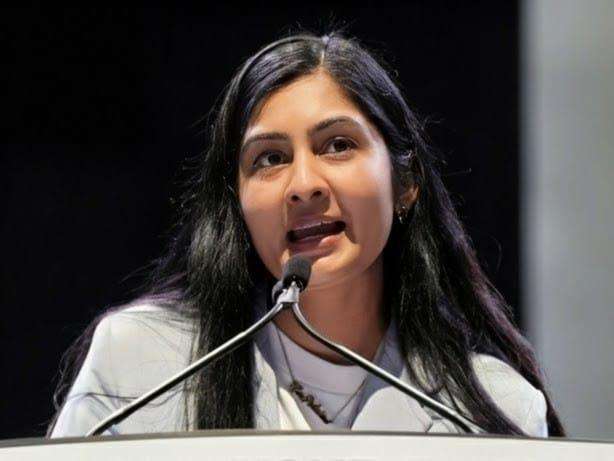
Divisions within the UK’s nascent left-wing movement erupted into open ideological warfare—and eventual uneasy compromise—in Liverpool this afternoon, as Zarah Sultana delivered a blistering keynote address that sought to define the party’s soul. After boycotting the first day of the conference in protest against what she termed "undemocratic" expulsions, the Coventry South MP returned to the main hall to demand a radical departure from established political norms, warning the 55,000-strong membership that they must not simply build "Labour 2.0."
Sultana’s speech was not merely a rallying cry but a victory lap for her faction. Earlier in the day, the party membership narrowly rejected a traditional leadership model favoured by co-founder Jeremy Corbyn, voting instead for a "collective leadership" structure. The vote, split 51.6% to 48.6%, marks a significant shift in power dynamics, signaling that while Corbyn remains the movement's spiritual figurehead, the operational control will rest with a member-led executive committee rather than a single leader.
"The Time of Monsters"
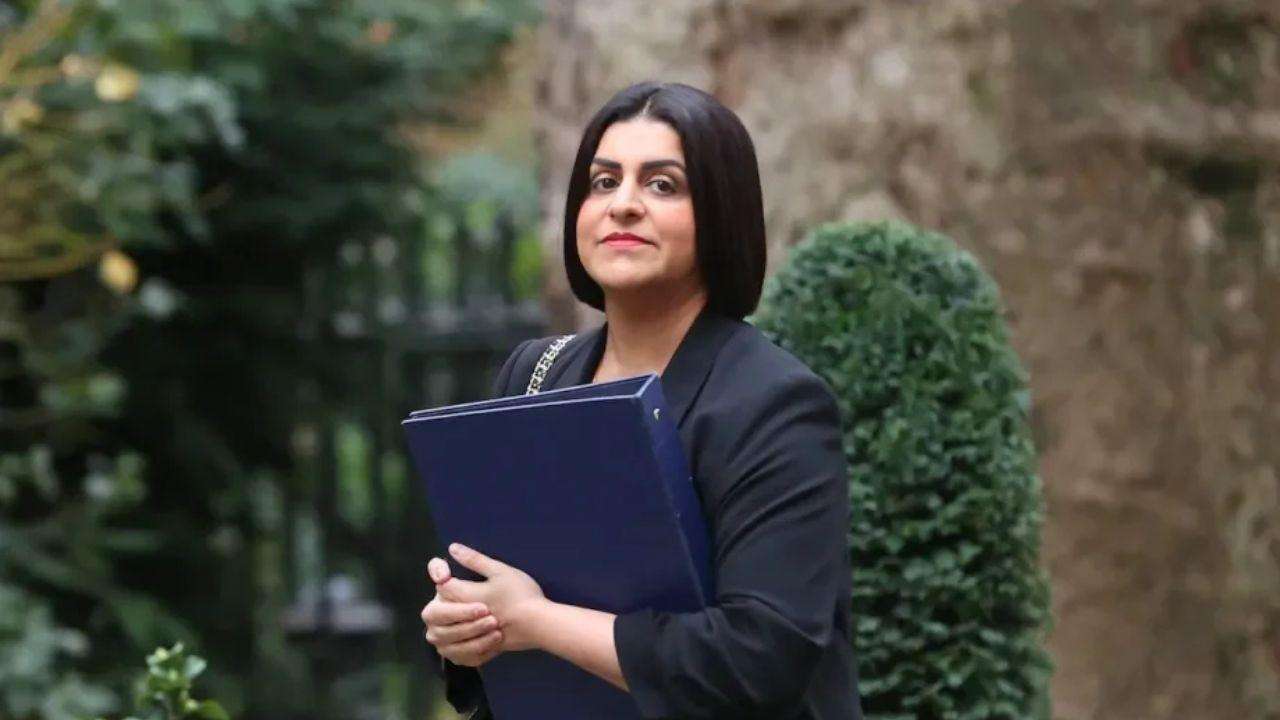
Taking the stage to chants of "Oh Zarah Sultana," the independent MP wasted little time in targeting her former colleagues in the Labour government. In language that drew standing ovations, she called for Prime Minister Keir Starmer, Foreign Secretary David Lammy, and Justice Secretary Shabana Mahmood to face international legal repercussions for their handling of the conflict in Gaza. Sultana argued that the UK government’s continued licensing of arms sales—citing an £11 billion annual defense increase—amounted to aiding and abetting genocide, declaring they should be "held in the docks of The Hague."
Her address broadened to a critique of British institutions, describing the current Labour administration as "weak and pathetic" and lacking the will to confront the "parasites who own Britain." In a segment that tested the boundaries of parliamentary convention, she called for the total abolition of the monarchy, specifically targeting Prince Andrew. She described the Duke of York as a "parasite" shielded by taxpayer money, contrasting his protection with the demonization of refugees arriving on small boats.
Sultana framed these domestic struggles against a darkening international backdrop. With right-wing administrations gaining ground across Europe—typified by the recent shift in German politics toward Friedrich Merz’s Christian Democrats—Sultana warned that "centrist politicians presiding over decline" were paving the way for the far-right. Quoting Gramsci, she told the hall that "if the new cannot be born, this will be the time of monsters," urging the movement to emulate the grassroots success of democratic socialists like New York’s mayor-elect Zohran Mamdani.
A Fragile Unity
Despite the rapturous reception, the conference atmosphere remained tense. Sultana addressed the internal chaos that has plagued the party’s launch, offering a rare apology for the "hiccups" regarding funding and membership rows, admitting that "some of that is my fault." However, she remained defiant regarding the expulsion of delegates linked to other far-left groups, including the Socialist Workers Party, describing the bans as a "witch-hunt" reminiscent of the Labour party machine she left behind.
The strategic pivot to a collective leadership model serves as a direct rebuke to the "top-down" politics of Westminster. A party spokesperson hailed the result as proof they were "doing politics differently," yet privately, some Corbyn loyalists fear this structure may paralyze decision-making. The narrow margin of the vote—separated by only 3 percentage points—suggests a membership deeply divided on how to govern itself.
What Next for Jeremy Corbyn?
For Jeremy Corbyn, the conference results present a complex new reality. While he remains the movement’s most recognizable asset, the rejection of the single-leader model precludes him from assuming a traditional presidential role within the party.
Corbyn is expected to close the conference by announcing the results of the ballot on the party’s permanent name—choosing between Your Party, Our Party, Popular Alliance, and For The Many. Moving forward, his role will likely evolve into that of a senior statesman and executive committee member rather than an autocrat. His challenge will be to unify the 48.6% of members who voted for strong central leadership with Sultana’s empowered grassroots faction, all while preventing the "toxic power struggles" cited by departing independent MPs from fracturing the movement before it can contest a by-election.
The Road Ahead
The immediate future for the party involves operationalizing the new collective leadership structure. An executive committee of elected members must now be formed to replace the interim management, a process likely to spark further factional friction.
Financially and strategically, the party must leverage its reported 55,000 members—a figure Sultana claims makes them the largest socialist party in the UK since the 1940s—into a coherent electoral force. However, with significant disagreements over "dual membership" and the influence of external far-left groups, the party faces an existential race against time. It must prove it can transition from a protest movement defined by who it opposes, to a functional political machine capable of governing itself. As the delegates leave Liverpool, the question remains whether this "new politics" can survive contact with the old realities of factional infighting.