




.svg)
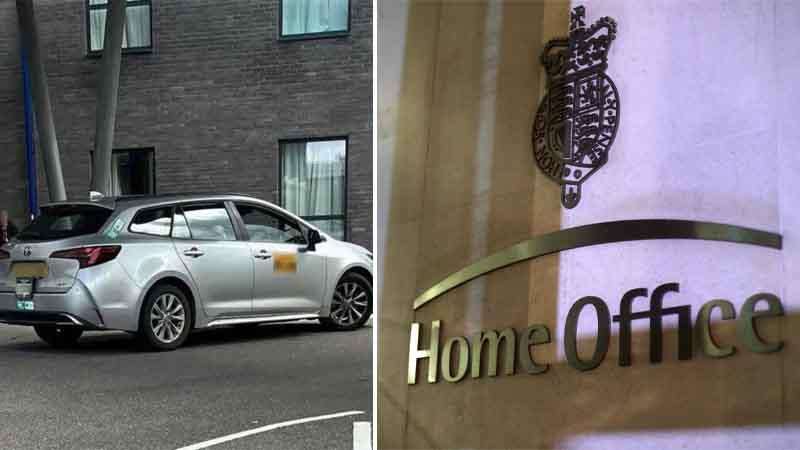
Asylum seekers in the UK will no longer be allowed to take taxis to medical appointments, after disclosures showed the Home Office spends around £15.8m annually on such journeys.
Starting in February, those seeking asylum will be required to use other forms of transport, such as buses—even in cases of urgent medical need.
Campaigners have long urged the government to supply free public transport for asylum seekers, but these requests continue to be rejected.
This latest taxi restriction follows a government review prompted by a BBC investigation, which revealed that some asylum seekers had been transported extreme distances by taxi, including a 250-mile trip that cost £600 to see a doctor.
These long trips often happen because asylum seekers are relocated during ongoing medical treatment, such as chemotherapy, and end up far from their original healthcare providers.
Advocacy groups have been lobbying for a bus pass system for years, arguing that without it, asylum seekers are left with few affordable options when facing long-distance appointments.
Citizens UK, along with 25 partner organisations, began pushing for this change in 2023. They argue that free bus access would also allow asylum seekers to take children to school and access volunteer opportunities.
After these campaigns, Oxford trialled free bus travel for asylum seekers in November 2024, and Scotland has promised to roll out free bus travel nationwide by 2026.
Currently, asylum seekers are only entitled to one return bus trip per week. In many other situations, Home Office contractors automatically book taxis, even if the passengers did not request them.
One subcontractor in south-east London told the BBC that his firm charged the Home Office about £1,000 per day for transporting up to 15 passengers two miles from their hotel to a GP clinic.
According to the government, new strict regulations will limit taxis to “rare, verified circumstances”, such as individuals with disabilities, serious health conditions, or maternity-related needs. Any such taxi trip must receive prior Home Office approval.
The Refugee Council’s chief executive, Enver Solomon, warned that the criteria might be so restrictive that people who genuinely require transport could be denied it. He also noted that the Home Office lacks a clear and consistent method for assessing vulnerability.
Solomon argued that the high taxi bills reflect deeper failures in government policy rather than misuse by asylum seekers.
He stated that the taxi reliance highlights “an asylum system that has enabled private contractors to profit substantially from public funds because governments have failed to reform the system into one that is efficient, humane, and cost-effective.”
He called on the government to dismantle these profit-driven contract structures and allow asylum seekers to work legally, enabling them to support themselves.
The government said it will also address price inflation by suppliers such as taxi operators, introducing systematic audits and tighter reporting rules to strengthen accountability.
These reforms form part of a wider effort to reduce waste in asylum housing and transportation contracts—savings which the government claims already exceed £74m in accommodation costs.
Home secretary Shabana Mahmood criticised the previous Conservative-era arrangements, saying they wasted “vast amounts of taxpayers’ money”.
She stated, “I am stopping the unrestricted use of taxis for asylum-related medical travel, and authorising them only when absolutely necessary. I will continue eliminating inefficiencies as we close all asylum hotels.”
The government aims to relocate asylum seekers out of hotels and into alternative sites such as former military facilities before the end of the current parliamentary term—forecasting a £500m cost reduction.
Despite these plans, figures released this week show that 36,273 asylum seekers still reside in hotels—an increase from numbers reported in June.
The government also highlighted intensified enforcement efforts, reporting almost 50,000 removals or deportations of undocumented migrants since Labour assumed power, and noting that illegal-working raids are at record highs, with more than 8,000 people arrested between October 2024 and September 2025 for working without permission.