

.jpg)



.svg)
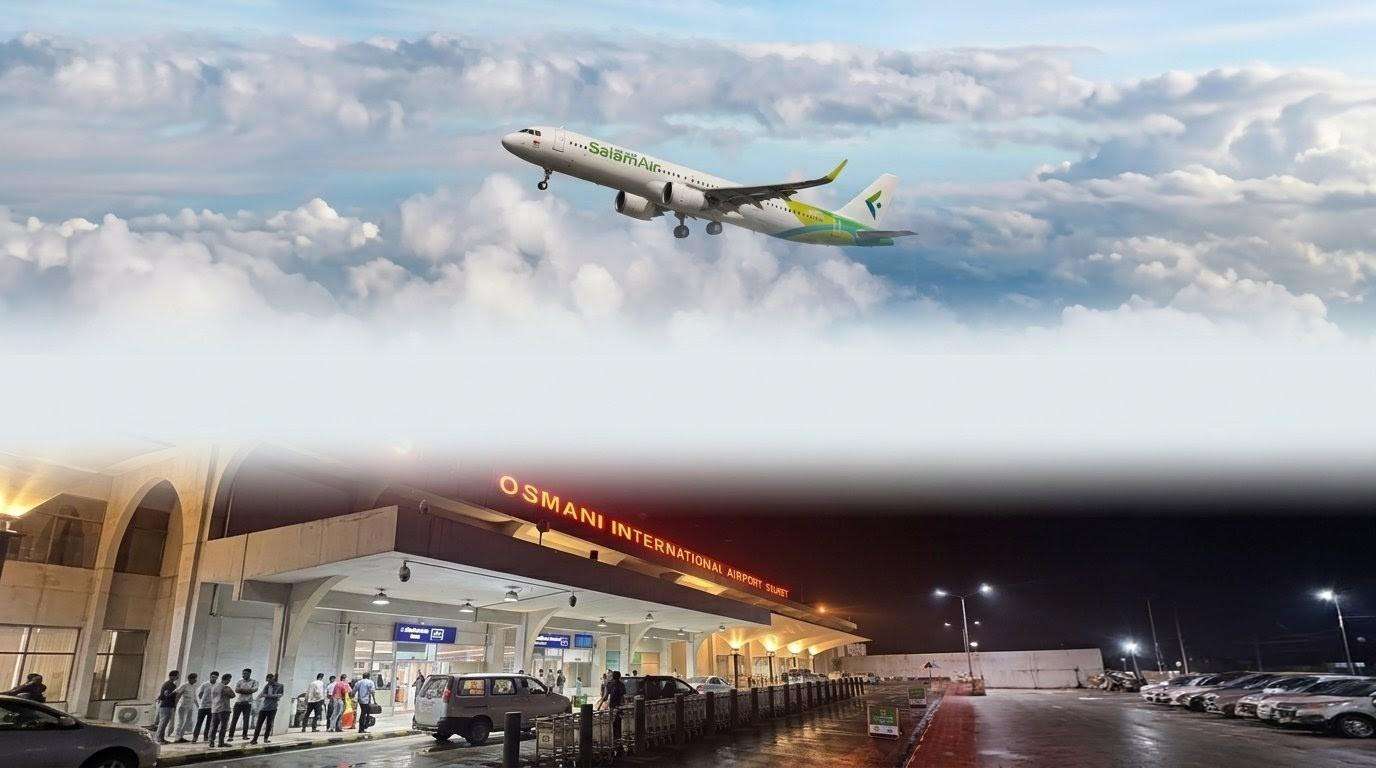
A profound restructuring of regional aviation dynamics is quietly unfolding over the skies of Bangladesh, challenging decades of single-carrier dominance over one of South Asia's most lucrative diaspora corridors. Muscat-based low-cost carrier SalamAir has finalized plans to initiate direct scheduled operations to Osmani International Airport in Sylhet commencing this September. The move effectively positions it as the first foreign carrier to secure scheduled rights across all three of Bangladesh's international gateways. While the initial schedule establishes a thrice-weekly connection from the Omani capital, aviation analysts speaking anonymously to journalists suggest this entry represents the opening salvo in a broader institutional shift. Multiple Middle Eastern operators are currently advancing regulatory assessments to launch competing international services into the north-eastern hub by early next year.
For the millions of Sylheti expatriates anchored across the United Kingdom, Europe, and the United States, the expansion offers a strategic alternative to a long-standing status quo. Historically, the premium direct routes from hubs like London Heathrow to Sylhet have remained the exclusive domain of state-backed Biman Bangladesh Airlines. This structural monopoly has frequently drawn critism regarding premium fare spikes during peak seasons and rigid transit options. By embedding Sylhet into a wider regional network, the incoming transit options mean global travelers can leverage Middle Eastern hubs to access the region without navigating the traditional layout of a double-layover journey or relying solely on domestic transfers through Dhaka.
As documented by investigations conducted by Daily Dazzling Dawn, the commercial logic underpinning this sudden corporate interest rests on exceptionally resilient market metrics. The broader Bangladeshi aviation sector is sustaining an annual growth rate of approximately 7.5 per cent, a trajectory heavily reinforced by a regional catchment area in Sylhet exceeding 10 million people. Speaking to journalists on the strategic expansion, Steven Allen, Chief Commercial Officer of SalamAir, emphasized that the introduction of direct flights to Sylhet stands as a critical milestone for the carrier, reflecting a long-term commitment to deepening ties with high-potential markets. He noted that the region presents substantial opportunities to capture high-density traffic across family, tourism, business, and religious travel sectors.
The immediate next phase of this aviation pivot will test the structural capacity of Osmani International Airport, which has historically faced infrastructure constraints regarding wide-body handling and processing efficiency. With further international standard competitors poised to establish a footprint within the coming months, the traditional single-carrier dominance is rapidly giving way to market-driven pricing. This evolving regulatory openness not only promises lower capital barriers for the traveling public but fundamentally redefines how regional hubs must compete to retain the loyalty of global diaspora communities.