.jpeg)



.svg)
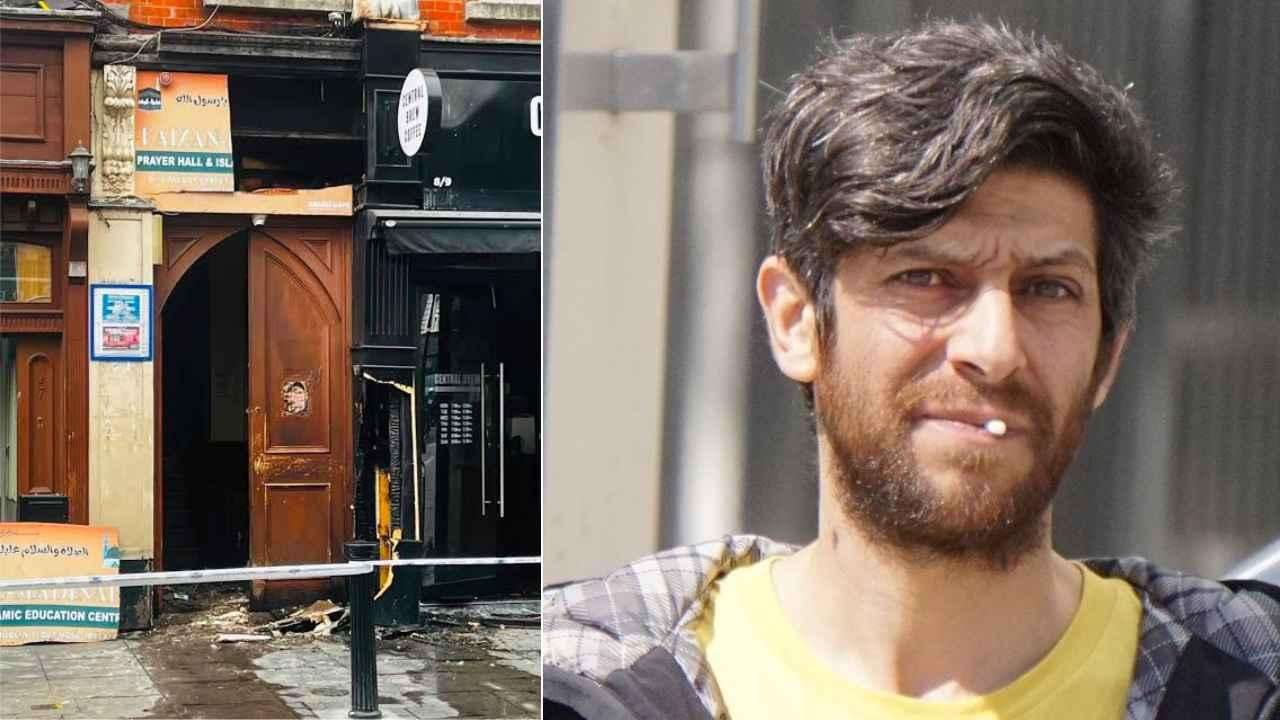
A major escalation in the prosecution of a self-described anti-Islam activist has gripped the capital following an afternoon arson attack on a central Dublin mosque. The case has quickly evolved into a dual crisis for the state, exposing a severe bottleneck in the Irish criminal justice system as a nationwide legal strike left the accused unrepresented during a highly volatile bail hearing.
Saeid Khosroabadi, a 41-year-old Iranian national residing at Seville Place, Dublin 1, appeared before Judge Michele Finan at Dublin District Court. He faces a charge of arson causing criminal damage at the Faizan E Madinah Mosque on Talbot Street, an offence that carries a maximum penalty of 10 years' imprisonment upon conviction.
The incident unfolded in broad daylight just before 3:30 PM, drawing a massive emergency response. Over 20 firefighters and four appliances battled thick smoke that engulfed the north inner city street. The mosque, where several adults and children were present, was quickly evacuated alongside the nearby Department of Education offices on Marlborough Street. While no injuries were recorded, the fire caused extensive damage to the building’s facade and triggered widespread gridlock across the city center.
The proceedings took an unprecedented turn when the deep-seated friction between the legal profession and the state spilled into the courtroom. Prominent solicitor Tracy Horan informed the judge that she had previously represented the accused but was strictly barred from doing so now due to a historic withdrawal of services by criminal defence solicitors. The strike, which commenced on the day of the hearing, acts as a direct protest against the Ministry for Justice over controversial flat-fee reforms to the District Court criminal legal aid scheme.
In a stark display of solidarity, approximately 60 solicitors stood up and staged a mass walkout from the building immediately after Ms. Horan addressed the bench. Left entirely without legal counsel, the unemployed accused opted to represent himself, pleading with the judge for bail.
Garda Shane Costello of Store Street Garda Station mounted a strenuous objection to bail, presenting a chilling dossier of evidence. Gardaí testified that CCTV footage captured a male pouring an accelerant onto the front doors before setting it alight. Witnesses at the scene reported hearing the attacker shout, "I will finish this mosque; I will fire this mosque. I don't like them to be here."
The court heard that Khosroabadi had filled a one-litre bottle with petrol at a local filling station while heavily intoxicated. Upon his arrest at his flat, his recorded reply to the caution was unequivocal: "I tried to set a mosque on fire, that is what I did, yes."
Investigating officers detailed a series of three interviews during which the accused allegedly expressed zero remorse and detailed deep ideological radicalisation. Khosroabadi told journalists and investigators that he was explicitly triggered by an RTÉ broadcast regarding a separate historical mosque attack in Galway.
According to Garda evidence, Khosroabadi stated, "I hate Islam. I burned the mosque, and when you release me, I will burn it again." When questioned by detectives regarding the presence of children inside the burning building, his responses drew direct inspiration from international right-wing terrorism. He reportedly cited the 2019 Christchurch mosque shootings in New Zealand, telling officers, "Actually, I wouldn’t care. Do you remember years ago in New Zealand, a guy went to a mosque with a gun? I love that guy. He is such a hero. It was a beautiful act."
The state’s case further highlighted his vitriolic rhetoric regarding shifting demographics and sharia law. The accused reportedly claimed that Muslims were "dirty people" spreading an alien ideology, adding, "The adults are big pieces of dirt, and the children are little pieces of dirt. The children will grow up to be Muslims with big beards, so there is no difference. I am not sorry I set fire to the mosque." He further stated his "dream" was to rally Irish citizens to burn down local Halal businesses, declaring that anyone living in Ireland must conform to a Christian identity and eat pork.
During the hearing, Khosroabadi attempted to cross-examine Garda Costello, forcing the officer to concede that the accused had openly admitted to being drunk at the time of the offence. Judge Finan repeatedly intervened, warning the unrepresented defendant about the severe dangers of self-incrimination on the public record.
Recognising the extreme gravity of the threats and the explicit promises made by the accused to return and finish the destruction of the property, Judge Finan officially refused bail. Crucially, the judge refused jurisdiction over the matter. This means the case is deemed far too serious for the summary limits of the District Court and will be elevated to the Circuit Court, which holds vastly superior sentencing powers.
Khosroabadi has been remanded in close custody and is scheduled to appear via video link at Cloverhill District Court on July 8. In the interim, the judge has ordered the Director of Public Prosecutions to expedite the preparation of a comprehensive book of evidence. Meanwhile, security has been quietly heightened around inner-city Islamic community hubs as state authorities monitor the fallout from both the attack and the crippled legal aid system.

.jpg)
.jpg)