



.svg)
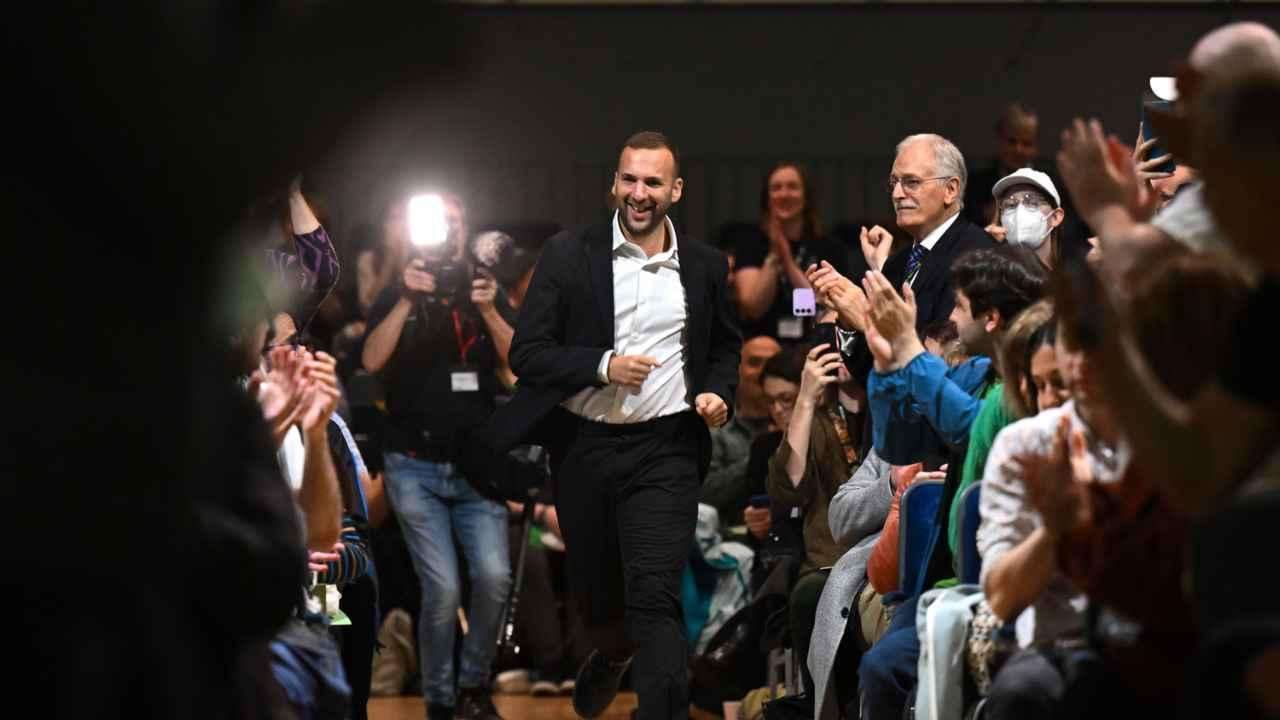
The Green Party is reviewing how it develops policy after its membership more than tripled following Zack Polanski's election as leader, prompting concerns that the party's current decision-making system no longer reflects its rapidly expanding base.
At present, Green Party policy is determined through votes held only at the party's twice-yearly conferences, where only members who attend in person are eligible to participate. Senior figures worry this approach gives disproportionate influence to a relatively small group of highly committed activists who are able to travel and dedicate time to the events.
Among the reforms being discussed are introducing a delegate system, allowing local parties to appoint representatives to vote on behalf of members, or maintaining direct member participation while enabling secure online voting.
When Polanski assumed leadership in September, the party had around 68,000 members. Membership has since climbed above 230,000, raising questions about whether the existing structures can effectively represent such a large organisation.
Party insiders acknowledge that the current arrangement has become increasingly unbalanced, with only around 1,000 conference attendees shaping policy for hundreds of thousands of members. Many believe the growing disparity makes organisational reform unavoidable.
The debate follows recent controversy over grassroots motions, including a proposal presented at the spring conference seeking to declare "Zionism is racism." The motion was postponed because of procedural issues and could return for discussion at the party's autumn conference.
Officials also point to practical challenges caused by the party's rapid growth. Conference organisation, previously handled by a single individual for nearly two decades, has only recently expanded into a dedicated team as the party's finances have improved.
Some senior members argue that Polanski has concentrated heavily on raising the party's national profile while giving less attention to strengthening internal governance. They believe organisational improvements will be essential if the Greens hope to secure more parliamentary and local government representation.
Others have questioned whether the party's leadership model itself remains suitable. Although Polanski won almost 85% of members' votes, the Green leader currently holds limited formal authority, possessing only one vote on the party's executive committee and relying on conference decisions to determine policy.
Supporters of reform argue the leader should be granted greater flexibility to respond quickly to political developments while remaining accountable to members. Opponents counter that the existing system already allows the leader to interpret the party's core values publicly without weakening the party's democratic foundations.
The Greens are also weighing their political strategy following recent electoral successes, including victory in the Gorton and Denton by-election. With expectations that Andy Burnham could reshape Labour's appeal on the left, party strategists are discussing how the Greens can continue to present themselves as a distinctive progressive alternative.